

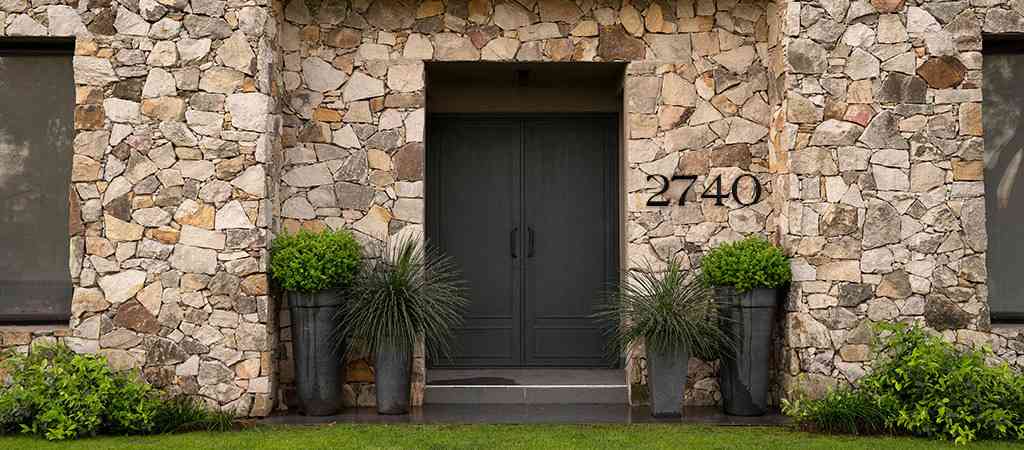
Plenty of money gets spent on the front of a house to make it look right, but that spend does not stop at paint and plants.
Every upgrade changes the numbers behind the scenes as well, and once a place becomes an investment, those numbers start to show up in places nobody really planned for.
That gap between what looks good and what gets tracked is where things usually go wrong.
Work gets done, invoices get paid, but then when numbers need to be pulled together, there is no clean record of what was added and when and no way to determine curb appeal ROI.
Exterior Upgrades That Do More Than Just Look Good
Curb appeal usually gets treated as surface work, but it does not stay there for long.
Once money goes in, it needs to be tracked, and that is where things move into a different conversation.
Paint, paving, and landscaping all sit on the visible side, yet each one links back to the financial side of the property.
A clearer picture often starts with tools like a real estate depreciation calculator, where basic inputs begin to show how upgrades feed into deductions.
The aim is not perfection, it is awareness. Seeing how those numbers stack up changes the way upgrades are planned.
That changes decision-making in a practical way.
A project that looked cosmetic starts to look like part of a wider plan once the numbers are visible.
What Buyers Actually Respond to From the Street
Buyer behaviour is not a mystery. Around 97% of agents say curb appeal draws attention, and 92% recommend improving it before listing. That response shows up quickly when a property hits the market.
Small exterior details do most of the work.
Clean lines, working lights, and a maintained garden give the sense that the place has been looked after. That impression carries into offers and timing.
Properties that present well from the start tend to hold stronger positions once negotiations begin.
A place that looks sorted from the street rarely struggles for attention, and that early interest often sets the tone for everything that follows.
The Line Between Land and Improvements
Every purchase comes with a split that cannot be ignored.
Part of the price sits in the land, and part sits in everything built on top of it.
Land is not depreciable, which makes that split the starting point for any proper tracking.
Working through land value shows how basis allocation of real estate is handled in practice.
Only the improvement portion moves into depreciation, and that is where upgrades begin to count.
A patio, added lighting, or updated finishes all sit on that side once the split is done correctly.
Getting that wrong early creates problems later. Getting it right gives every upgrade a clear place in the numbers.
Depreciation Considerations for Investors
Tracking does not need to be complicated, but it does need to be consistent.
Exterior work, site changes, lighting installations, interior finishes, and replaced appliances all belong on record. Each one feeds into the overall cost base of the property.
Depreciation is defined as recovering the cost of income-producing property through scheduled deductions. That means every qualifying upgrade needs to be accounted for in a way that lines up with those rules.
A property with steady improvements builds a layered record, and that record supports both ongoing deductions and future planning.
Missed entries create gaps, and those gaps tend to show up at the worst possible moment, usually when numbers need to be justified, and rental property improvements tracking becomes a vital cog in the investment machine.
Small Changes That Still Move the Needle
Not every upgrade needs a large budget to have an impact.
Smaller garden adjustments and basic exterior work tend to change how a place is read from the street.
Looking at small garden changes that can make a big first impression shows how minor work can lift presentation without much spend.
Those updates still belong on the tracking list, because even small costs add up once they are part of the improvement record.
That is where discipline pays off. Small jobs tend to be forgotten, yet they still form part of the bigger picture.
Bigger Exterior Decisions and Long-Term Value
Larger projects sit in a different category.
Structural changes, new siding, or extended outdoor areas involve more planning and higher costs, but they also feed more directly into value.
Work like this connects to smart exterior additions that actually increase home value, where the focus stays on upgrades that change both function and appearance.
Each major project adds another layer to the property’s financial profile.
Those layers build up across the life of the property, and they become far more useful when they have been tracked properly from the start.
Where It All Lands When It Is Time To Sell
A well-presented property gets attention quickly, but the numbers behind it decide how that attention turns into offers.
Upgrades build value in plain sight, and the records behind them show exactly what has been done.
Clear tracking ties everything together.
It connects curb appeal with financial clarity and turns a series of upgrades into something that stands up when it is time to sell.
