

At some point, people who own homes start to view them as more than just a place to live; they become investments.
This shift in thinking can occur for various reasons, such as when a renovation project costs more than planned or a neighbor sells their house for a surprisingly high price.
Whatever the trigger, the focus begins to extend beyond the home’s four walls.
People often overlook how important it is to upgrade the outside of their homes.
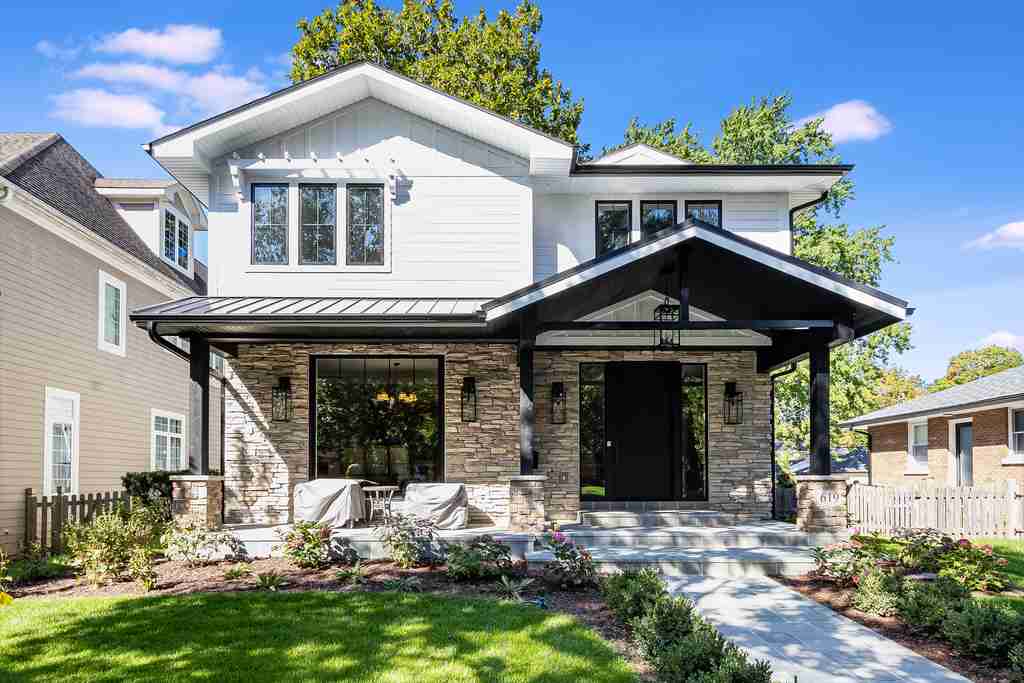
It’s not always as obvious as renovating a kitchen or decorating a bedroom, but the exterior of a house has a big impact on how it’s perceived, how it’s used every day, and its overall worth.
The exterior of a home creates that initial impression, and it can really make or break how people feel about the place.
Plus, it’s not just about looks; it’s also about how the exterior affects your daily life and the long-term value of your property.
When it comes to making changes, it’s not just about how things look, but also about how they work and how they’ll hold up over time.
You should pick improvements that will still be great years from now and appeal to anyone who might buy your place.
It’s all about finding that balance between what makes you happy now and what will make your home a great choice for someone else down the line. Let’s take a closer look at what actually works.
Outdoor Living Spaces That Feel Intentional
Adding usable outdoor space is one of the most reliable ways to increase home value. But it has to feel intentional.
A basic patio might check a box, but a thoughtfully designed outdoor living area creates an experience. Think about how the space flows from the interior. Is there a natural transition from kitchen to patio? Is there shade during peak sun hours?
Decks remain a strong investment, especially when built with durable materials that require minimal maintenance.
Composite decking, for example, performs well over time. And then there are covered spaces.
Pergolas, awnings, or even full outdoor kitchens can extend the space’s use throughout the year.
In certain properties, especially those with larger plots or rural surroundings, specialized structures can add a unique layer of value.
Features built by professional horse-stable builders can appeal to a niche yet highly motivated group of buyers, particularly in equestrian-friendly regions.
Well-designed horse stables focus on functionality and daily use.
Proper stall sizing, good ventilation, durable flooring, and easy access to water all make a significant difference in how the space performs over time.
Elements like tack storage, feed organization, and efficient layouts are not just conveniences, but essentials for anyone actively caring for horses.
For buyers who understand what to look for, these details signal quality and long-term usability.
A thoughtfully planned stable setup can turn a property into something far more than residential, opening the door to hobby farming, training, or small-scale equestrian operations.
The key is alignment. Additions should make sense for the location and the lifestyle the property supports.
Curb Appeal That Holds Its Value
Fresh paint, updated siding, and thoughtful landscaping are the obvious starting points. But not all curb appeal investments are equal.
Little things like a new front door or updated house numbers can make a big difference in how your home looks.
They show that you’ve taken the time to take care of your property.
People who are looking to buy a house will notice these details, even if they’re not sure exactly what they like about them.
It’s just something that makes your home feel more welcoming and well-maintained. Landscaping is where things can either shine or spiral out of control.
Clean lines, native plants, and low-maintenance designs tend to hold value better than elaborate gardens that require constant upkeep. People want beauty, but they also want simplicity.
Lighting plays a quiet but powerful role. Soft exterior lighting along walkways or near entry points creates both safety and atmosphere.
It’s one of those additions that feels almost invisible until it’s missing.
Functional Upgrades That Buyers Appreciate
Not every exterior upgrade needs to be visually dramatic to make an impact.
People often don’t think about driveways until they start to fall apart. But fixing a cracked concrete driveway or switching to pavers can make a big difference in how useful and valuable your home feels.
It’s one of those small changes that can add up and make your home more enjoyable to live in.
Fencing can be a really useful thing to have. Especially in the suburbs, people often prefer privacy fences. They help keep things private and make your property feel more secure.
It’s like putting a border around your home, so it feels complete and separate from the rest of the neighborhood.
Storage solutions like sheds or detached garages can also be valuable, as long as they’re well-built and visually consistent with the main home.
No one wants an afterthought structure that feels disconnected.
Drainage is one of those things that people don’t usually notice, but it’s really important.
Things like making sure the yard is graded correctly, installing French drains, and having a good gutter system can make a big difference in protecting your home from damage over time. And the good news is that more and more buyers are realizing just how important these details are.
Sustainability as a Value Driver
Being energy efficient is not just a good thing to do; it’s what people expect now.
Solar panels, when installed thoughtfully, can significantly increase a home’s appeal. But placement matters. They should feel integrated, not intrusive.
Rainwater collection systems and drought-resistant landscaping are gaining traction as well. These features signal long-term thinking and environmental awareness.
Making small changes to your home, like adding better insulation to the exterior walls or installing new energy-efficient windows, can make a big difference in how comfortable it is to live there and how much it’s worth if you decide to sell.
Buyers are paying attention to utility costs more than ever. Exterior upgrades that reduce long-term expenses tend to stand out.
The Balance Between Personal Taste and Market Appeal
It’s simple to get caught up in creating a space that’s all about what you like. And that’s okay, because having a home is all about making it your own.
But when value is part of the equation, balance becomes important.
Bold color choices, highly customized structures, or overly niche features can limit appeal if they’re not executed carefully. The goal is to create something that feels distinctive without becoming divisive.
Neutral palettes, flexible spaces, and quality materials tend to strike that balance well.
They leave room for the next owner to imagine their own version of the space.
Timing and Cohesion Matter
Not all upgrades need to happen at once. In fact, spacing them out often leads to better decisions.
When you make small changes to a place over time, you can see how each one affects the whole thing.
This also gives you a chance to make adjustments as you go, which is helpful.
Cohesion is what ties everything together. Materials, colors, and design choices should feel connected, even if they were added years apart.
A home that feels cohesive tends to feel more valuable, even if the individual upgrades are relatively simple.
Final Thoughts
When it comes to boosting your home’s value, it’s not just about following the latest trends or making drastic changes.
Instead, it’s all about making smart, thoughtful decisions that enhance the overall look, feel, and functionality of your outdoor space.
By doing so, you can create a beautiful and inviting area that not only increases your home’s value but also provides a wonderful space for you and your family to enjoy for years to come.
You’ll notice some changes right away, while others will be working behind the scenes.
When you put them all together, they create the story that a house tells, right from the moment someone lays eyes on it. And that story matters more than most people realize.
