

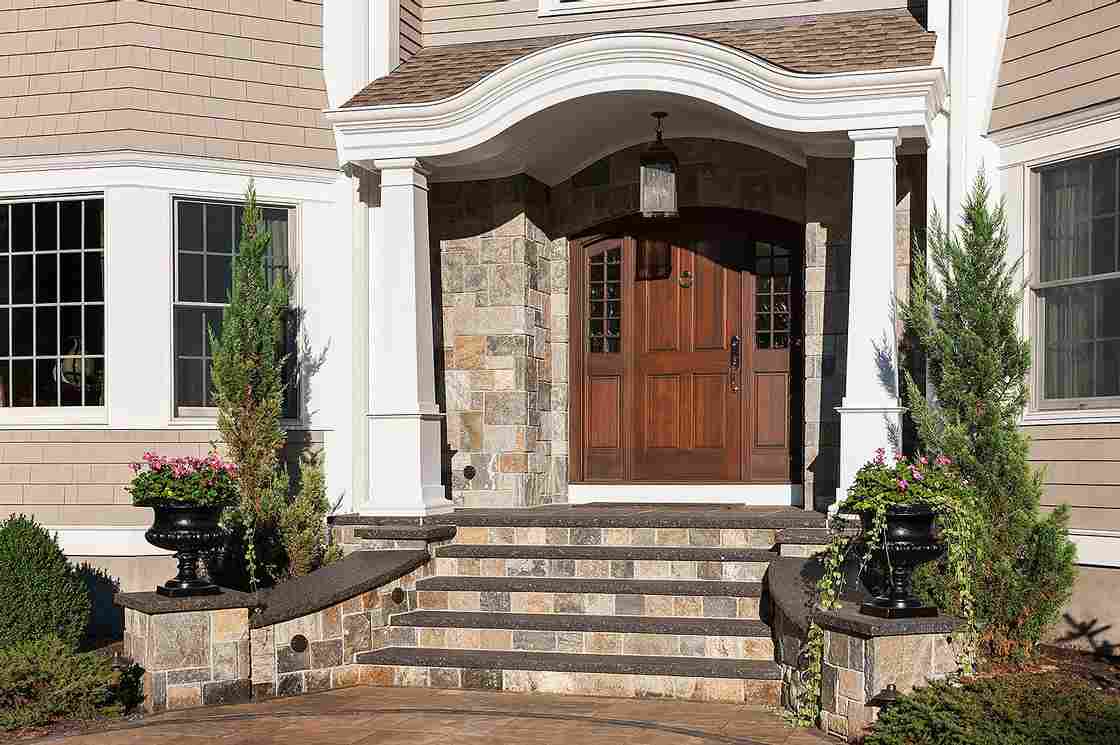
Curb appeal plays a major role in how a home is perceived, and the entrance is often the first detail people notice.
A well-designed entryway can instantly improve a property’s overall appearance while also setting the tone for what lies inside.
Beyond aesthetics, the entrance serves practical functions that directly affect comfort, safety, and energy use.
Homeowners who plan upgrades carefully can achieve a balance between visual appeal and long-term performance.
An entrance upgrade should be approached as a strategic improvement rather than a simple design change.
The right materials, proper sealing, and thoughtful design choices all contribute to better insulation and enhanced security.
In regions with seasonal temperature shifts, investing in a well-constructed entrance can significantly reduce energy loss.
When done correctly, this type of upgrade not only improves daily living conditions but also adds measurable value to the property over time.
Understanding the Technical Complexity of Entry Systems
Modern entry systems involve several interconnected components that go beyond the door itself.
Frames, thresholds, insulation cores, and sealing mechanisms must all work together to deliver consistent performance.
Each part plays a role in maintaining structural stability and preventing air or moisture infiltration.
Over time, wear and environmental exposure can weaken these elements, making it necessary for homeowners to consider installing a new door to restore efficiency, safety, and overall functionality.
As systems become more advanced, the margin for error during upgrades becomes smaller.
While many homeowners feel comfortable handling minor repairs, more complex projects require greater precision.
Proper alignment, sealing, and material handling all influence how well the system performs over time.
If you are looking for services like door installation, there are many professionals who have years of experience.
Assessing Structural Integrity vs. Cosmetic Wear
Before making any upgrades, it is important to evaluate whether the current entrance has structural issues or only surface-level wear.
Cosmetic problems, such as chipped paint or small dents, are often easy to fix and may not require a full replacement.
However, deeper concerns like warping, rot, or a shifting frame can compromise both safety and efficiency. Identifying these issues early helps homeowners make more informed decisions.
A thorough inspection should also include checking for air leaks, water damage, and gaps around the frame. These signs often indicate underlying problems that go beyond appearance.
If structural weaknesses are present, replacing the entire system may be more practical than repeatedly repairing it.
Comparing Door Materials: Wood, Fiberglass, and Steel
Choosing the right material is one of the most important decisions when upgrading a home entrance.
Wood remains a popular option due to its natural appearance and customization potential.
It can be shaped and finished to match a variety of styles, but it requires consistent maintenance to protect against moisture and weather-related damage.
Fiberglass and steel offer more durable alternatives with different advantages.
Fiberglass doors provide strong insulation and resist wear while maintaining a wood-like appearance.
Steel doors, on the other hand, are known for their strength and security, making them a practical choice for homeowners focused on protection.
Each material comes with its own balance of cost, durability, and maintenance needs, so selecting the right option depends on both lifestyle and long-term priorities.
Energy Efficiency: Why Insulation and Sealing Matter
Energy efficiency is a key factor when upgrading a home entrance, especially in areas that experience temperature fluctuations.
The insulating core of a door plays a major role in reducing heat transfer, which helps maintain a stable indoor environment.
R-values are commonly used to measure this resistance, and higher ratings typically indicate better performance.
Sealing components also contribute significantly to efficiency. Weatherstripping, thresholds, and tight-fitting frames prevent air leaks that often go unnoticed.
Even small gaps can allow drafts and moisture to enter, increasing heating and cooling demands.
Proper sealing ensures that the entrance system works as intended, helping homeowners reduce utility costs while maintaining a comfortable living space year-round.
Enhancing Security with Modern Features
Security remains one of the primary reasons homeowners invest in upgrading their entrance.
Modern doors now include advanced locking systems that offer greater protection than traditional single-lock setups.
Multi-point locking mechanisms secure the door at several points along the frame, making forced entry more difficult. Smart locks add another layer of convenience by allowing remote access and monitoring.
The strength of the door frame and surrounding structure is equally important.
Reinforced frames and impact-resistant materials improve durability and provide greater resistance to external forces.
Additional features such as smart doorbells or integrated cameras can further enhance safety by giving homeowners greater visibility and control.
Together, these elements create a more secure and reliable entry system.
Maximizing Natural Light with Glass Inserts and Sidelights
Incorporating glass into a home entrance can significantly improve interior brightness.
Glass inserts and sidelights let natural light into the space, reducing the need for artificial lighting during the day.
This not only enhances the entryway’s visual appeal but also creates a more open and welcoming environment for residents and visitors alike.
Homeowners should consider different types of glass to balance light and privacy.
Frosted, textured, or tinted options provide varying levels of visibility while maintaining design appeal.
Energy-efficient glass, such as double- or triple-glazing, helps reduce heat loss and improve insulation.
Reinforced or laminated glass can also enhance security, ensuring that style does not come at the expense of safety.
Budgeting for Hardware, Smart Tech, and Maintenance
Upgrading a home entrance involves more than just selecting the door itself.
Hardware such as handles, hinges, and locking systems can add to the overall cost, especially when opting for high-quality or custom finishes.
Smart technology, including keyless entry systems and integrated security features, may also require additional investment.
Planning for these elements helps homeowners avoid unexpected expenses.
Maintenance is another important factor to consider when setting a budget. Different materials require varying levels of care, which can affect long-term costs.
Wood doors may need regular refinishing, while fiberglass and steel typically require less upkeep.
Factoring in maintenance from the beginning allows homeowners to choose options that align with both their budget and their willingness to manage ongoing care.
