

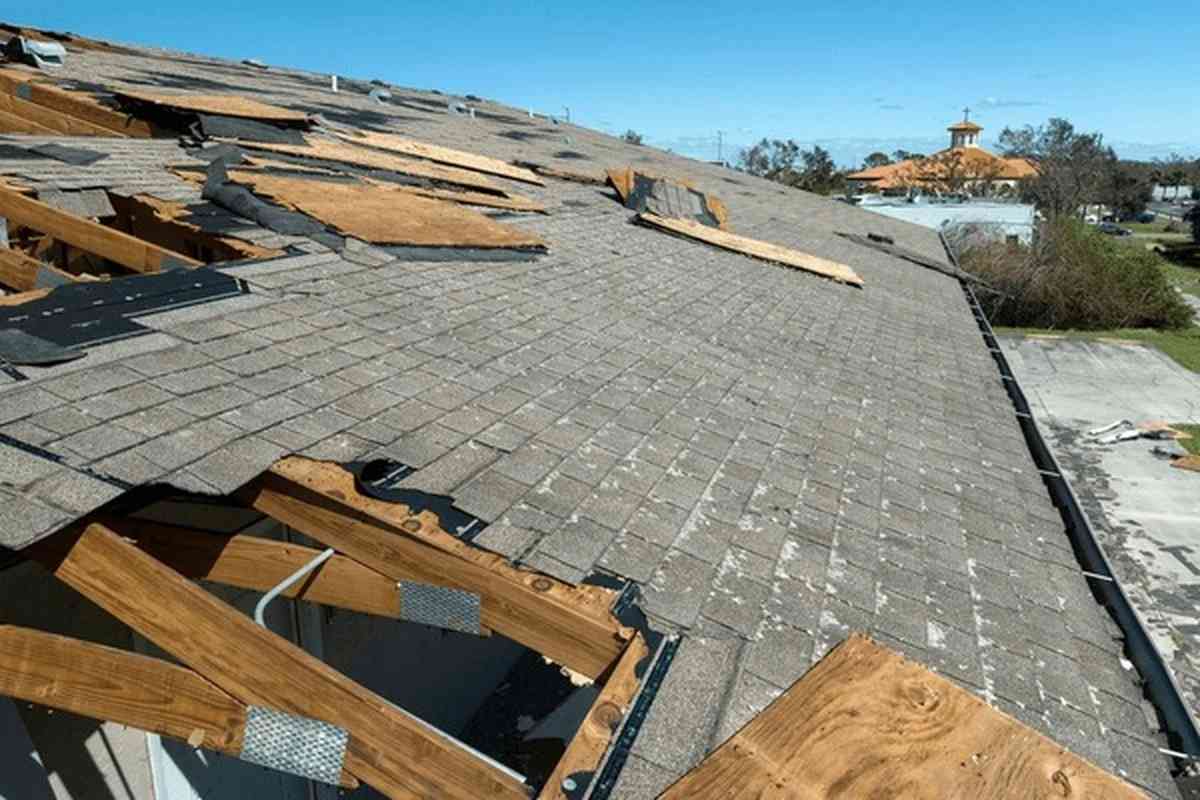
Omaha homeowners are no strangers to severe winter weather.
From heavy snowfall and freezing temperatures to ice storms and strong winds, Nebraska winters can be especially hard on residential roofing systems.
While many homeowners focus on keeping their homes warm and energy-efficient during the colder months, they often overlook the damage winter weather can quietly cause to their roofs.
For homeowners dealing with winter roofing problems, timely roof repair in Omaha NE becomes essential to preventing small issues from turning into major structural damage.
Snow accumulation, ice dams, freeze-thaw cycles, and fluctuating temperatures can weaken roofing materials over time, increasing the risk of leaks, missing shingles, water damage, and expensive repairs once spring arrives.
Understanding how Omaha’s winter conditions affect roofing systems can help homeowners recognize warning signs early and take preventative action before costly repairs become unavoidable.
In this article, we’ll explore the most common winter roofing problems in Omaha, why they happen, and how homeowners can protect their roofs during harsh winter conditions.
Why Omaha Winters Are So Hard on Roofs
Omaha experiences a wide range of winter weather conditions, including:
- Heavy snowfalls
- Ice storms
- High winds
- Freezing rain
- Rapid temperature fluctuations
These weather patterns place constant stress on roofing systems throughout the season.
Unlike warmer climates, Omaha roofs must withstand repeated freezing and thawing cycles that can gradually weaken shingles, flashing, gutters, and structural components.
Even roofs that appear fine from the ground may suffer hidden winter damage that worsens over time.
The Freeze-Thaw Cycle: A Major Cause of Roof Damage
One of the most destructive winter weather patterns in Omaha is the freeze-thaw cycle.
How the Freeze-Thaw Cycle Works
During the day, sunlight or warmer temperatures may partially melt snow and ice on the roof. At night, temperatures drop below freezing, causing that water to refreeze.
This constant expansion and contraction can:
- Crack shingles
- Loosen flashing
- Widen small roof gaps
- Damage underlayment
- Weaken roof seals
Over time, these small vulnerabilities can allow water to penetrate the roofing system.
Why Freeze-Thaw Damage Gets Worse Over Time
Once water enters small cracks or gaps, repeated freezing causes the openings to expand further.
Eventually, homeowners may experience:
- Roof leaks
- Ceiling stains
- Mold growth
- Rotting wood
- Interior water damage
What begins as a minor issue can quickly become an expensive roofing repair if ignored.
Heavy Snow Accumulation and Roof Stress
Snow may look harmless, but excessive buildup can place tremendous weight on a roof.
The Weight of Snow
Fresh snow is relatively light, but wet snow and ice are extremely heavy. Several inches of wet snow can add thousands of pounds of pressure to a roofing structure.
Older homes and weakened roofing systems are especially vulnerable.
Risks of Excessive Snow Load
Heavy snow accumulation may cause:
- Roof sagging
- Structural stress
- Cracked rafters
- Ceiling damage
- Roof collapse in severe cases
Flat roofs and low-slope roofs often face the greatest risk because snow does not slide off as easily.
Warning Signs of Snow Load Problems
Homeowners should watch for:
- Sagging rooflines
- Cracking noises
- Interior ceiling cracks
- Doors sticking suddenly
- Bowing walls
These signs may indicate dangerous structural stress.
Ice Dams: One of Omaha’s Most Common Winter Roofing Problems
Ice dams are among the leading causes of winter roof damage in Omaha.
What Is an Ice Dam?
An ice dam forms when heat escapes through the roof, melting snow unevenly. The melted snow runs down toward colder roof edges and refreezes.
As ice builds up along the roof edge, water becomes trapped behind it.
Why Ice Dams Are Dangerous
Trapped water can seep beneath shingles and enter the home.
This often leads to:
- Roof leaks
- Water stains
- Damaged insulation
- Mold growth
- Rotting wood decking
Ice dams can continue growing throughout the winter if underlying issues remain unresolved.
Common Causes of Ice Dams
Several factors contribute to ice dam formation:
- Poor attic insulation
- Inadequate ventilation
- Heat loss from the home
- Uneven roof temperatures
- Clogged gutters
Homes with poor energy efficiency are especially vulnerable.
High Winds and Winter Storm Damage
Omaha winter storms frequently bring strong winds that can damage roofing materials.
Wind Damage to Shingles
High winds may:
- Lift shingles
- Crack shingles
- Remove shingles entirely
- Damage flashing
- Expose underlayment
Even minor wind damage can create openings for moisture intrusion.
Why Winter Wind Damage Is Worse
Cold temperatures make roofing materials more brittle and vulnerable to cracking.
A roof that might withstand strong winds during warmer months may suffer significant damage during winter storms.
Hidden Wind Damage
Not all storm damage is immediately visible from the ground.
Missing granules, lifted shingles, and small tears can eventually allow water to penetrate the roofing system.
Professional roof inspections after major storms are often recommended.
Gutter Problems During Omaha Winters
Gutters play a critical role in directing melting snow and water away from the roof and foundation.
Why Winter Gutters Matter
When gutters become clogged with:
- Leaves
- Ice
- Debris
- Snow
water cannot drain properly.
This increases the likelihood of:
- Ice dams
- Overflowing gutters
- Roof edge damage
- Foundation issues
Heavy ice buildup may cause gutters to:
Frozen Gutters Can Cause Structural Damage
- Pull away from the home
- Bend or crack
- Detach entirely
Damaged gutters can no longer properly protect the roof and foundation from water damage.
Roof Leaks Often Start Small
Many winter roofing problems begin with tiny vulnerabilities that homeowners fail to notice.
Common Early Signs of Roof Leaks
Watch for:
- Water stains on ceilings
- Peeling paint
- Dripping water
- Musty odors
- Damp insulation
- Mold growth in attics
Small leaks can worsen rapidly during freeze-thaw cycles.
Why Delaying Repairs Is Expensive
Minor roof damage rarely stays minor during winter.
Delaying repairs may result in:
- Structural wood rot
- Mold remediation costs
- Insulation replacement
- Drywall damage
- Electrical hazards
The longer moisture remains trapped inside roofing systems, the greater the repair costs become.
Attic Ventilation and Insulation Problems
Many winter roofing issues are directly tied to poor attic ventilation and insulation.
How Heat Escapes Through the Roof
Warm indoor air naturally rises into the attic. Without proper insulation and ventilation, this heat warms the roof unevenly.
This contributes to:
- Snow melting
- Ice dam formation
- Moisture buildup
- Condensation problems
Poor Ventilation Creates Moisture Issues
Inadequate attic ventilation can trap humid air inside the attic.
This may lead to:
- Mold growth
- Wood rot
- Insulation damage
- Reduced roof lifespan
Proper airflow helps maintain consistent roof temperatures and reduces winter roofing stress.
Flashing Damage During Winter
Roof flashing protects vulnerable areas such as:
- Chimneys
- Skylights
- Roof valleys
- Vents
Winter weather can weaken flashing seals over time.
Common Flashing Problems
Cold temperatures and ice buildup may cause:
- Cracked sealant
- Rusted flashing
- Loose metal components
- Water penetration
Even small flashing failures can cause significant leaks.
How Winter Shortens Roof Lifespan
Harsh winters gradually wear down roofing systems year after year.
Common Long-Term Effects
Repeated winter exposure can:
- Accelerate shingle deterioration
- Reduce waterproofing effectiveness
- Weaken roof decking
- Increase maintenance needs
Over time, winter damage may shorten the overall lifespan of the roof.
Preventative Steps Homeowners Can Take
While Omaha winters are unavoidable, homeowners can take steps to reduce roofing risks.
Schedule Professional Roof Inspections
Annual inspections help identify:
- Missing shingles
- Weak flashing
- Early leak signs
- Structural concerns
Fall inspections are especially important before winter weather arrives.
Clean Gutters Before Winter
Removing leaves and debris improves water drainage and reduces ice dam formation.
Gutters should be cleaned:
- In late fall
- After major storms if necessary
Improve Attic Insulation
Proper insulation helps maintain consistent roof temperatures and prevents heat loss.
This reduces:
- Ice dams
- Snow melting
- Energy waste
Ensure Proper Attic Ventilation
Good ventilation allows cold air to circulate through the attic, helping prevent uneven roof temperatures.
Balanced ventilation is essential for winter roof protection.
Remove Excess Snow Safely
Heavy snow accumulation should sometimes be removed using a roof rake.
However:
- Avoid climbing onto icy roofs
- Never use sharp tools on shingles
- Hire professionals for dangerous snow removal situations
Address Small Repairs Quickly
Small roofing issues become much worse during winter.
Prompt repairs help prevent:
- Water intrusion
- Structural damage
- Expensive emergency repairs
The Financial Impact of Winter Roof Damage
Many homeowners underestimate how expensive winter roof repairs can become.
Potential costs may include:
- Roof leak repairs
- Water damage restoration
- Mold remediation
- Structural repairs
- Full roof replacement
Insurance may cover some storm-related damage, but neglected maintenance issues often become the homeowner’s responsibility.
Preventative maintenance is usually far less expensive than emergency repairs.
When to Call a Roofing Professional
Homeowners should contact a roofing contractor immediately if they notice:
- Active roof leaks
- Sagging roof sections
- Missing shingles
- Ice dam formation
- Water stains
- Interior moisture problems
Professional inspections can identify hidden winter damage before it worsens.
Why Omaha Homeowners Should Prioritize Winter Roof Maintenance
Nebraska winters place roofing systems under extreme stress year after year.
Without proper maintenance and timely repairs, small issues can escalate into major structural problems that threaten both the home and the homeowner’s budget.
Routine inspections, proper insulation, gutter maintenance, and early repairs are essential for protecting roofs during harsh winter weather.
Final Thoughts
Omaha’s harsh winters can take a serious toll on residential roofing systems.
Heavy snow, ice dams, freeze-thaw cycles, strong winds, and fluctuating temperatures all contribute to roofing damage that may eventually require costly repairs.
Many winter roofing problems begin with small vulnerabilities that worsen over time if ignored.
Water intrusion, structural stress, insulation damage, and mold growth can quickly turn minor roof issues into major expenses.
Fortunately, proactive maintenance and early detection can significantly reduce the risk of severe winter roof damage.
By scheduling inspections, maintaining gutters, improving attic insulation, and addressing repairs promptly, Omaha homeowners can protect their roofs, extend system lifespan, and avoid costly surprises during the winter season.
