

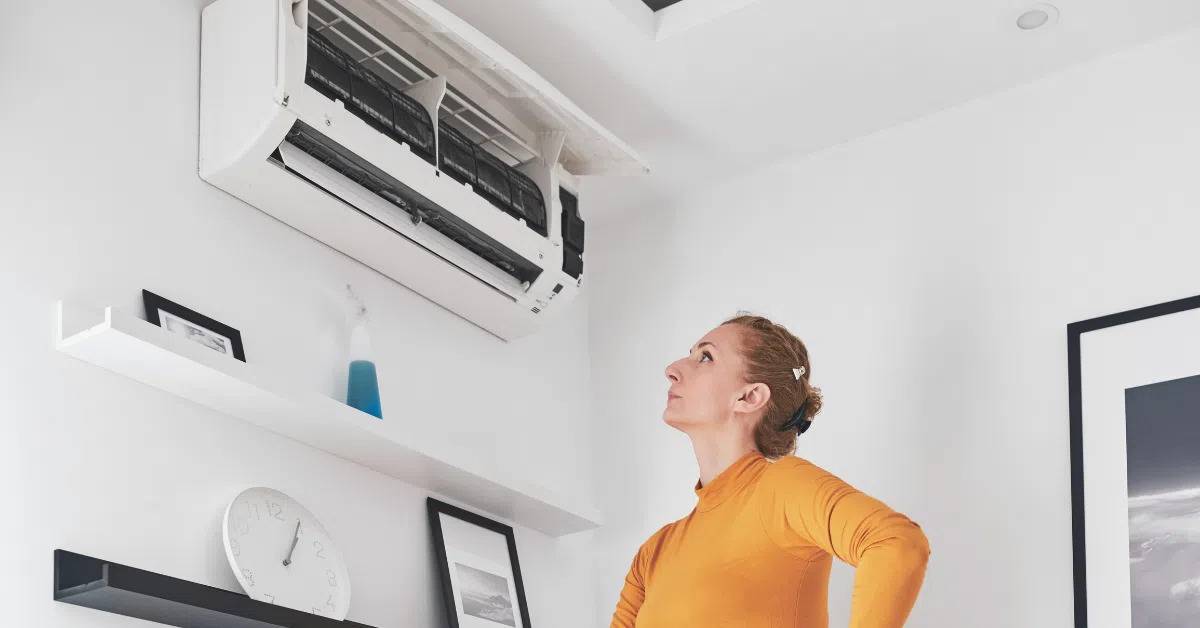
Air conditioning systems play a vital role in maintaining comfort, health, and productivity, especially during the hottest months of the year.
Most homeowners rely on their AC systems daily without giving much thought to the complex components working behind the scenes.
However, when an air conditioner begins showing signs of trouble such as unusual noises, weak airflow, inconsistent cooling, or higher energy bills.
Many homeowners choose to postpone repairs in an attempt to save money.
Unfortunately, delaying air conditioning repairs often leads to much larger expenses in the long run.
Many property owners focus only on the immediate repair cost and overlook the long-term consequences of neglecting HVAC issues.
Whether you’re dealing with reduced cooling performance or a system that frequently cycles on and off, addressing problems early is often the most cost-effective solution.
Resources such as https://grovehvac.com/columbia-md-air-conditioning-repair/ highlight the importance of professional diagnosis and timely service to prevent minor issues from turning into major system failures.
In reality, the cost of delaying AC repairs extends far beyond a simple service call.
From rising utility bills and expensive component replacements to poor indoor air quality and shortened equipment lifespan, neglecting HVAC problems can create a chain reaction of financial and comfort-related consequences.
Increased Energy Bills
One of the first hidden costs homeowners experience when delaying AC repairs is higher energy consumption.
Air conditioning systems are designed to operate efficiently when all components function properly.
However, when parts become worn, dirty, damaged, or malfunctioning, the system must work harder to maintain desired indoor temperatures.
For example:
- A clogged air filter restricts airflow.
- A failing capacitor affects motor performance.
- Low refrigerant levels reduce cooling efficiency.
- Dirty coils hinder heat transfer.
As efficiency declines, the system consumes more electricity to achieve the same level of cooling.
Even a relatively minor issue can increase energy usage significantly over time.
Many homeowners fail to connect rising utility bills to unresolved HVAC problems.
What may seem like a seasonal increase in energy costs could actually be the result of a repair issue that continues to worsen every day the system operates.
Small Problems Become Major Repairs
Perhaps the most costly consequence of delaying repairs is allowing minor issues to evolve into major mechanical failures.
Consider a simple refrigerant leak. If identified early, the repair may involve sealing the leak and recharging the system.
However, when ignored, low refrigerant levels can force the compressor to work harder than intended.
Eventually, this added strain may cause compressor failure—one of the most expensive air conditioning repairs homeowners can face.
Similarly:
- Loose electrical connections can damage circuit boards.
- Dirty coils can lead to overheating.
- Worn belts can affect other moving components.
- Faulty capacitors can damage motors.
Addressing problems when they first appear is almost always less expensive than waiting until additional components become affected.
Reduced Cooling Performance
An air conditioner that isn’t functioning properly often struggles to maintain consistent indoor temperatures.
Many homeowners tolerate uneven cooling for weeks or months without realizing the issue may indicate a developing repair problem.
Common symptoms include:
- Warm spots throughout the home
- Weak airflow from vents
- Long cooling cycles
- Frequent temperature fluctuations
- Excessive indoor humidity
As the problem worsens, comfort levels decline. Family members may find it difficult to sleep, work, or relax indoors during hot weather.
Reduced performance also causes homeowners to lower thermostat settings in an attempt to compensate, which further increases energy consumption and operating costs.
Shortened Equipment Lifespan
Air conditioning systems represent a significant investment. Most homeowners expect their equipment to last 10 to 15 years or longer with proper maintenance and timely repairs.
When problems are ignored, the system experiences unnecessary stress and wear.
Components that suffer the most include:
- Compressors
- Blower motors
- Fan motors
- Capacitors
- Contactors
- Electrical controls
Every day the system operates under strain reduces its overall lifespan.
A repair that might have cost a few hundred dollars today could eventually contribute to the need for a complete system replacement years earlier than expected.
Replacing an entire HVAC system can cost thousands of dollars, making preventive repairs a far more economical choice.
Higher Emergency Repair Costs
Many HVAC issues begin as manageable problems that can be scheduled during normal service hours.
However, delaying repairs increases the likelihood of complete system failure during periods of extreme weather when demand for HVAC technicians is highest.
Emergency service often comes with:
- After-hours fees
- Weekend surcharges
- Holiday rates
- Limited technician availability
In addition to higher repair costs, homeowners may face extended periods without cooling during the hottest days of the year.
Scheduling repairs early allows for greater flexibility and often results in lower service costs.
Poor Indoor Air Quality
Air conditioning systems do more than cool the air—they also contribute to indoor air quality.
When HVAC components become dirty or damaged, contaminants can circulate throughout the home.
Potential indoor air quality issues include:
- Dust accumulation
- Mold growth
- Increased allergens
- Elevated humidity levels
- Musty odors
Dirty evaporator coils, clogged filters, and moisture buildup create ideal conditions for biological growth.
Individuals with allergies, asthma, or respiratory conditions may experience worsening symptoms when indoor air quality declines.
Timely repairs help maintain a healthier indoor environment while protecting HVAC performance.
Increased Humidity Levels
One of the often-overlooked functions of an air conditioner is humidity control.
During normal operation, the system removes excess moisture from indoor air.
However, when repairs are needed, this dehumidification process may become less effective.
Excess humidity can cause:
- Sticky indoor conditions
- Mold growth
- Wood warping
- Paint deterioration
- Unpleasant odors
High humidity also makes occupants feel warmer, encouraging lower thermostat settings and increased energy consumption.
Repairing HVAC issues promptly helps maintain balanced indoor humidity levels and overall comfort.
Risk of Complete System Failure
Every air conditioning problem carries the potential to escalate.
A strange noise today could become a broken motor tomorrow. A refrigerant leak this month could become a compressor replacement next season.
Unfortunately, many homeowners ignore warning signs until the system stops working entirely.
Common indicators that should never be ignored include:
- Grinding noises
- Burning smells
- Frequent cycling
- Warm airflow
- Water leaks
- Sudden increases in utility bills
Prompt attention often prevents complete breakdowns and helps avoid the inconvenience of losing cooling during peak summer temperatures.
Water Damage and Property Damage
Certain air conditioning issues can lead to moisture-related property damage.
Blocked condensate drains, frozen evaporator coils, and leaking components may allow water to accumulate around the HVAC system.
Over time, this moisture can damage:
- Flooring
- Drywall
- Insulation
- Wood framing
- Ceilings
Water damage repairs often cost significantly more than addressing the original HVAC issue.
In severe cases, moisture problems may even lead to mold remediation expenses, adding another layer of cost to a delayed repair situation.
Increased Environmental Impact
An inefficient air conditioning system consumes more energy and places greater demands on power generation resources.
Additionally, refrigerant leaks contribute to environmental concerns if not addressed promptly.
By repairing HVAC issues early, homeowners can:
- Reduce energy consumption
- Lower carbon emissions
- Improve system efficiency
- Minimize refrigerant waste
Timely repairs support both environmental responsibility and lower utility costs.
Reduced Home Value
For homeowners considering selling their property, HVAC performance can influence buyer perception and home value.
Prospective buyers often request home inspections that include HVAC evaluations.
An air conditioning system showing signs of neglect may raise concerns regarding:
- Future repair expenses
- Overall home maintenance
- Energy efficiency
- Indoor comfort
A documented history of professional maintenance and prompt repairs can provide reassurance and increase buyer confidence.
More Frequent Breakdowns
When one component begins to fail, other parts of the system often experience additional strain.
For example:
- Dirty coils increase compressor workload.
- Failing capacitors affect motor performance.
- Restricted airflow causes overheating.
As a result, neglected systems frequently experience recurring breakdowns.
Instead of paying for a single repair, homeowners may find themselves dealing with multiple service calls over a short period.
Addressing the root cause early reduces the likelihood of repeated failures and unexpected repair bills.
Loss of Manufacturer Warranty Protection
Some HVAC manufacturers require regular maintenance and timely repairs to maintain warranty coverage.
Ignoring known issues or failing to address maintenance requirements may jeopardize warranty eligibility.
If a major component fails after warranty coverage has been compromised, homeowners could face significant out-of-pocket expenses.
Keeping detailed maintenance records and addressing repairs promptly helps preserve warranty protections whenever applicable.
Signs You Should Schedule Repairs Immediately
Many homeowners are unsure whether an HVAC issue requires immediate attention.
Common warning signs include:
- Warm air blowing from vents
- Unusual noises
- Weak airflow
- Frequent cycling
- Water leaks
- High humidity levels
- Increased energy bills
- Uneven cooling
- Burning odors
- Frozen coils
Even if the system continues operating, these symptoms often indicate underlying problems that will worsen over time.
The sooner a technician diagnoses the issue, the greater the likelihood of avoiding costly repairs.
The Financial Benefits of Early Repairs
While homeowners may delay repairs to avoid spending money, timely service often saves far more than it costs.
Early repairs can provide:
- Lower utility bills
- Reduced repair expenses
- Longer equipment lifespan
- Improved comfort
- Better indoor air quality
- Fewer emergency service calls
- Enhanced system reliability
Viewed from a long-term perspective, preventive repairs represent an investment rather than an expense.
Final Thoughts
Delaying air conditioning repairs may seem like a practical way to save money in the short term, but the hidden costs can quickly outweigh any immediate savings.
Higher energy bills, reduced comfort, poor indoor air quality, increased humidity, costly component failures, and premature system replacement are just a few of the consequences homeowners may face when HVAC issues are ignored.
Air conditioners are complex systems that depend on every component functioning properly.
Even minor problems can trigger a chain reaction of inefficiency and damage when left unresolved.
By addressing repair needs promptly, homeowners can protect their investment, maintain a comfortable indoor environment, and avoid the significant financial burden that often accompanies neglected HVAC systems.
The next time your air conditioner shows signs of trouble, remember that the true cost is often not the repair itself—it’s the cost of waiting too long to make it.
