

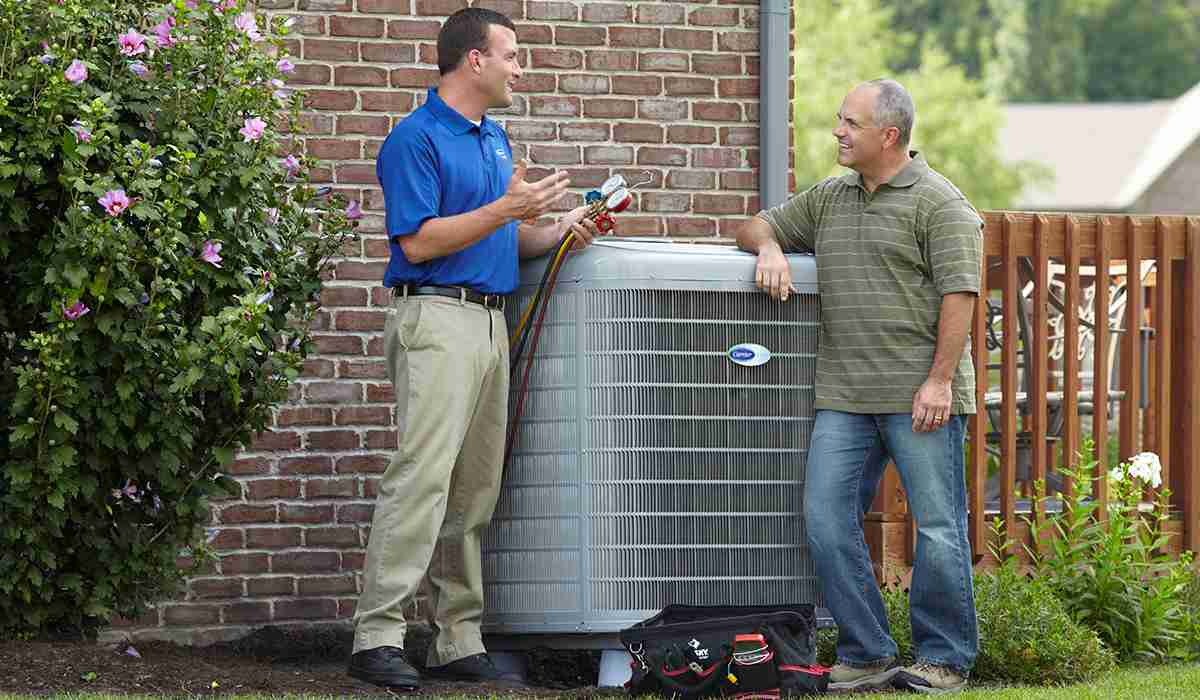
Purchasing a new air conditioning system is a significant decision for any homeowner.
Modern air conditioners come with a variety of features and efficiency ratings, and one of the most commonly referenced measurements is the SEER rating.
Understanding what SEER means and how it relates to air conditioner performance can help homeowners make more informed decisions when evaluating replacement options.
Before selecting a new cooling system, it is important to understand what a SEER rating measures and how it fits into the overall evaluation of an air conditioning system.
What Is a SEER Rating?
SEER stands for Seasonal Energy Efficiency Ratio. It is a measurement used to evaluate the energy efficiency of air conditioning equipment.
According to the U.S. Department of Energy, SEER is calculated by dividing an air conditioner’s cooling output during a typical cooling season by the electrical energy consumed during the same period under standardized testing conditions.
SEER ratings are intended to provide a way to compare the efficiency of different air conditioning systems.
In general, a higher SEER rating indicates a higher level of efficiency under those testing conditions.
Why SEER Ratings Matter
Energy efficiency is one factor many homeowners consider when purchasing a new air conditioner.
Since cooling systems use electricity to operate, efficiency ratings provide useful information when comparing equipment options.
SEER ratings allow consumers to compare systems using a standardized measurement.
Rather than relying solely on marketing materials or product descriptions, homeowners can review a specific efficiency rating when evaluating different models.
However, SEER is only one consideration among many when selecting an air conditioning system.
Understanding SEER Numbers
Air conditioners are available with a range of SEER ratings. The specific ratings available may vary by manufacturer and product line.
For example, a system with a SEER rating of 16 is rated as more efficient than a system with a SEER rating of 14 under standardized testing conditions.
Likewise, a system with a SEER rating of 20 is rated as more efficient than a system with a SEER rating of 16.
While higher numbers indicate higher efficiency ratings, homeowners should evaluate SEER alongside other factors such as equipment features, installation requirements, and overall suitability for the home.
Federal Efficiency Standards
Air conditioning equipment sold in the United States must meet federal energy efficiency requirements established by the U.S. Department of Energy.
These standards may change over time as regulations are updated.
As a result, newer air conditioning systems often differ from older equipment in terms of efficiency ratings and design requirements.
Homeowners replacing older systems may notice that current models are labeled with efficiency ratings that were not commonly seen when their existing equipment was installed.
SEER Is Only One Part of the Picture
Although SEER ratings provide valuable information, they do not tell the entire story about how an air conditioning system will perform in a specific home.
Several factors can influence real-world performance, including:
- Proper system sizing
- Installation quality
- Ductwork condition
- Thermostat settings
- Home insulation levels
- Air leakage within the home
- Routine maintenance
An air conditioner should be selected and installed according to the specific needs of the home.
Even a system with a high efficiency rating should be properly sized and installed to operate as intended.
The Importance of Professional Guidance
Selecting a new air conditioning system often involves evaluating multiple equipment options and technical specifications.
Working with a qualified HVAC professional can help homeowners better understand the differences between available systems.
Professionals can assess factors such as:
- Home size
- Cooling requirements
- Existing ductwork
- Equipment compatibility
- Efficiency preferences
Companies such as Thiele Heating & Air Conditioning provide air conditioning services and can help homeowners review available options when considering a system replacement.
Questions to Ask When Comparing Systems
When reviewing air conditioners with different SEER ratings, homeowners may find it helpful to ask questions such as:
- What is the SEER rating of the system?
- Does the system meet current efficiency requirements?
- Is the equipment appropriately sized for the home?
- What features are included with the system?
- What warranty coverage is available?
- What maintenance is recommended for the equipment?
These questions can help provide a broader understanding of the equipment beyond the efficiency rating alone.
Maintenance and Long-Term Performance
After a new air conditioning system is installed, ongoing maintenance remains important. Manufacturers commonly recommend routine maintenance to help keep equipment operating according to specifications.
Maintenance may include:
- Inspecting components
- Cleaning coils
- Checking refrigerant levels
- Replacing air filters
- Verifying system operation
Homeowners should consult their equipment documentation and work with qualified service professionals regarding maintenance recommendations.
Thiele Heating & Air Conditioning offers HVAC services that can assist homeowners with the maintenance needs of their heating and cooling systems.
Conclusion
SEER ratings are an important tool for comparing the energy efficiency of air conditioning systems.
A SEER rating provides a standardized measurement that can help homeowners evaluate equipment options when shopping for a new AC.
However, SEER is only one factor to consider.
Proper sizing, professional installation, maintenance requirements, and the specific needs of the home are also important when selecting a cooling system.
By understanding what SEER ratings represent and reviewing all aspects of an air conditioning system, homeowners can make informed decisions when purchasing a new AC.
Consulting experienced professionals such as Thiele Heating & Air Conditioning can also help ensure that the selected system is appropriate for the home’s cooling requirements.
