

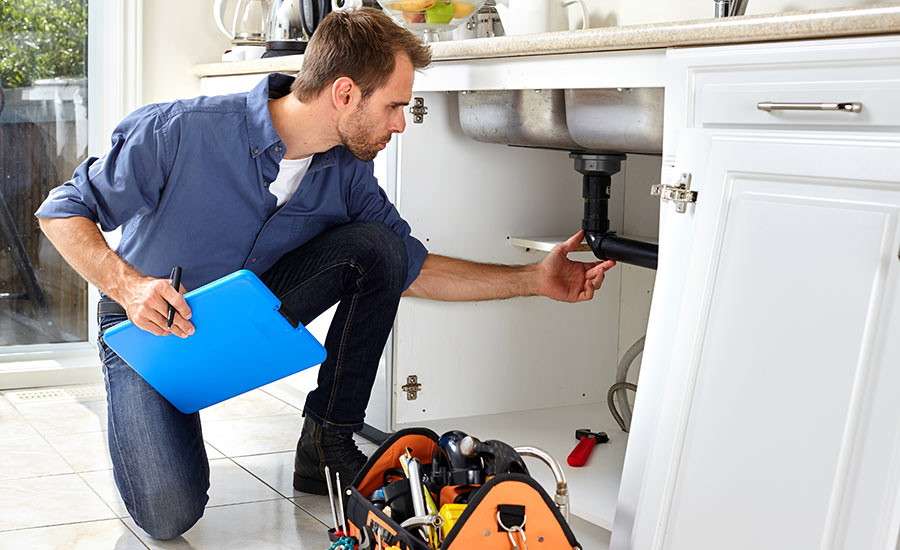
When homeowners prepare to sell a property, they often focus on cosmetic updates like paint colors, landscaping, and staging.
While appearance certainly matters, many buyers today are paying closer attention to the condition of the home behind the walls, especially the plumbing system.
In competitive housing markets like Chapel Hill, inspections can quickly uncover hidden plumbing issues that may delay closings, reduce buyer confidence, or create unexpected repair negotiations.
What appears to be a minor leak or slow drain can sometimes point to larger underlying concerns.
Older homes are especially vulnerable to aging plumbing infrastructure.
Galvanized pipes, deteriorating sewer lines, outdated shutoff valves, and aging water heaters are common in properties that have gone decades without major system upgrades.
Even when everything appears functional during daily use, inspection reports may reveal concerns that buyers are unwilling to ignore.
Drainage problems are among the most common issues identified during home inspections.
Slow drains, recurring clogs, and sewer odors often indicate buildup or damage deeper within the system.
Tree root intrusion is particularly common in mature neighborhoods where large trees have had decades to expand underground.
Buyers today are also more aware of water damage risks.
Even small leaks under sinks or around fixtures can raise concerns about mold, subfloor deterioration, or hidden structural damage.
Signs of previous moisture problems often lead buyers to request additional inspections or credits during negotiations.
Water heaters are another area inspectors closely evaluate. Older units nearing the end of their expected lifespan can become a concern for buyers trying to avoid immediate post-purchase expenses.
Corrosion, sediment buildup, inconsistent heating, or improper installation may all appear in inspection reports.
Many sellers are surprised to learn that water pressure can also become a negotiating issue.
Excessively high pressure may damage fixtures and plumbing components over time. Buyers who discover pressure-related concerns may view them as indicators of deferred maintenance.
Preventive plumbing evaluations before listing a property can help homeowners identify issues early and avoid surprises during due diligence.
Sewer camera inspections, leak checks, fixture evaluations, and water heater assessments often provide valuable insight before a buyer’s inspector enters the picture.
Modern repair options have also made certain plumbing upgrades less disruptive than in previous years.
Trenchless sewer rehabilitation, advanced leak detection equipment, and targeted pipe repairs can sometimes resolve problems without major excavation or demolition.
For homeowners investing in renovations before listing, plumbing updates can also improve buyer appeal.
Updated fixtures, efficient water heaters, improved drainage systems, and properly functioning shutoffs all contribute to buyer confidence during walkthroughs and inspections.
Buyers increasingly view homes as long-term investments, and they want reassurance that major systems have been properly maintained.
Plumbing may not be the most visible part of a property, but it often plays a significant role in how buyers evaluate overall condition and future repair risk.
Working with an experienced plumber Chapel Hill homeowners trust can help sellers address potential concerns proactively, reduce negotiation obstacles, and improve confidence during the inspection process.
