

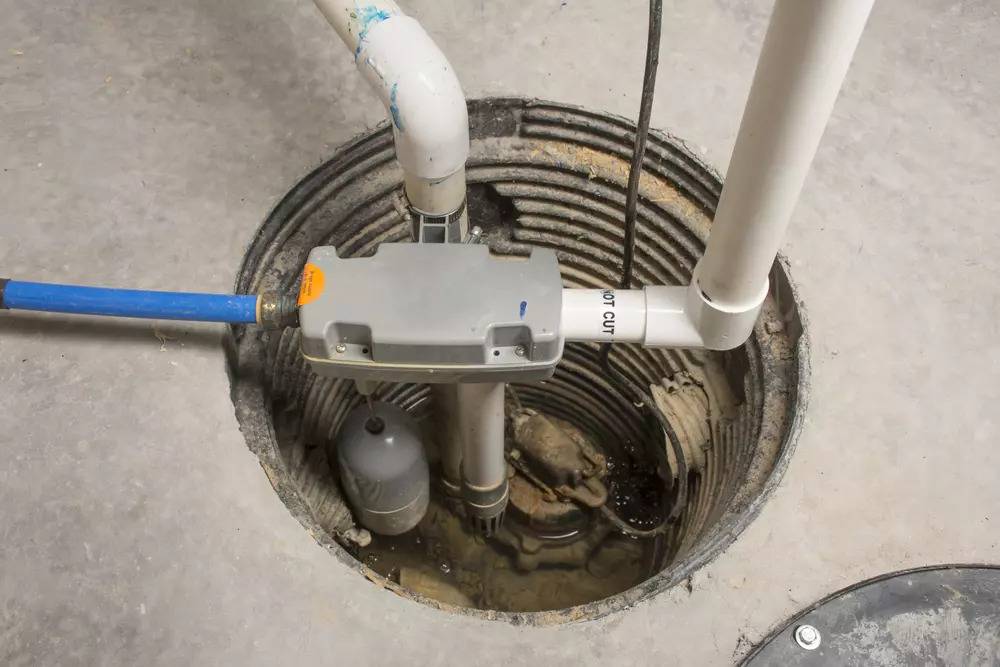
A sump pump quietly protects a home from water intrusion, yet it often goes unnoticed until a crisis occurs.
When moisture seeps into a basement or crawl space, this device serves as the primary safeguard against costly damage.
Recognizing trouble early prevents major disruption and keeps indoor areas dry and secure.
A few early clues suggest the unit needs attention, and support from a trusted plumbing repair service can make a big difference when issues surface.
This article explains the warning signs of a failing sump pump and the practical steps to restore reliability.
Early Clues of Trouble Below the Surface
Unusual noise from the pit draws attention right away.
A healthy pump cycles without harsh rattles or grinding tones.
A loud operation hints at worn components or misalignment that warrant prompt inspection.
Moisture spots near the pit present another red flag.
Water marks on walls or floors signal that the pump struggles to keep up during wet periods.
Delays in activation or failure to fully clear the water indicate that the unit may soon give out.
Power Faults That Restrict Performance
Electricity issues often halt sump pump action.
A tripped breaker, a faulty outlet, or a loose cord connection prevents the pump from switching on when the basin fills.
Common power indicators
- A pump that switches off before the basin empties
- A unit that refuses to start after heavy rain
- Unexplained breaker trips during operation
Quick steps to consider
- Test the outlet with another device
- Check for frayed cords
- Inspect the breaker panel for a tripped switch
If faults continue, further electrical assessment helps prevent surprise failures during storms.
Mechanical Wear That Signals Decline
Mechanical components face stress over the years of service.
A stuck float prevents the pump from activating.
Debris around the intake clogs movement and reduces pumping force. An overheated motor suggests the unit is straining beyond its capacity.
Signs of mechanical stress
- Vibrations through the basin
- Inconsistent water removal
- Visible rust or mineral buildup
Routine cleaning after wet seasons extends pump life. Replacement becomes necessary once wear progresses to the point where repairs no longer restore dependable action.
Discharge Issues That Increase Flood Risk
A sump pump depends on a clear discharge path.
When the line freezes, collapses, or becomes obstructed, water cannot exit the property.
The pump may run continuously without lowering the water level.
Discharge malfunctions contribute to basement flooding even when the motor appears functional.
Ensuring proper slope, insulation around exposed pipes, and secure connections keeps the system efficient.
Assistance from a plumbing expert helps verify that the discharge line supports consistent flow.
Steps to Take When Warning Signs Pop Up
Once issues arise, the next step is a detailed evaluation, targeted repairs, or replacement of worn components.
When the situation becomes more complex or the system repeatedly fails, support from a dedicated plumbing repair service ensures dependable troubleshooting, accurate diagnosis, and protective solutions tailored to the property’s needs.
This level of expert care helps restore confidence in the sump pump’s ability to handle heavy moisture events.
Seasonal checkups, performance tests before major storms, and professional assessments of the basin, float, and discharge line help prevent unexpected failures.
These proactive measures keep basement areas dry and extend the lifespan of the entire system.
A sump pump protects the home’s foundation and lower floors from unwanted moisture.
Recognizing warning signs early reduces stress and prevents expensive water damage.
Prompt inspection, upkeep, and timely replacement secure dependable performance year-round.
Staying alert to changes in sump pump behavior helps maintain a safe, dry, and comfortable home.
