

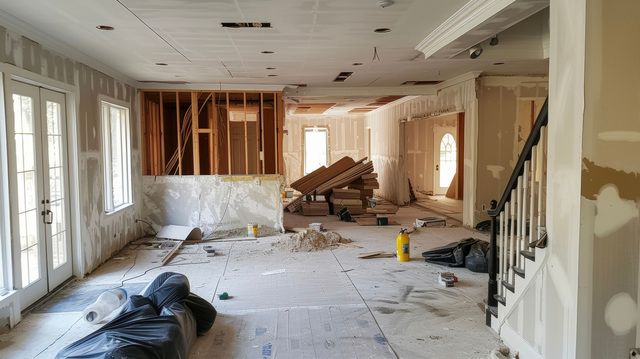
According to the United States Census Bureau, privately-owned housing units authorized by building permits in March 2026 were at a seasonally adjusted annual rate of 1,372,000.
There’s a huge demand for more housing, so there’s a profitable niche to fill.
However, you shouldn’t just jump into it quickly and blindly. Legal planning in homebuilding projects is vital for these reasons.
Prevents Costly Disputes and Delays
Construction projects involve:
- Contracts
- Permits
- Zoning requirements
- Subcontractor agreements
- Local regulations
Without proper oversight, things can quickly become complicated, and you may need commercial real estate lawyers to help out.
But by addressing legal considerations early, you can clearly define expectations and prevent misunderstandings that often lead to expensive delays or litigation.
Legal planning also ensures that contracts contain protections for unexpected situations, such as:
- Project changes
- Weather delays
- Contractor performance issues
A proactive legal strategy can save you significant stress and financial loss.
Ensures Compliance With Local Building Regulations
Every homebuilding project must comply with:
- Local building codes
- Zoning laws
- Environmental regulations
- Permit requirements
Legal planning ensures that all approvals and documentation are secured before construction even begins. This reduces the likelihood of penalties or forced project shutdowns.
It can also help homeowners understand restrictions related to:
- Land use
- Property boundaries
- Utility access
- Homeowner association rules
In addition, legal professionals can help identify regulatory changes that may impact the project in the future.
This protects both the investment and the long-term value of the property.
Protects Financial Investments Throughout the Project
Building a home is a major financial commitment, which means that legal planning is necessary for protecting the investment at every stage. These all require careful review to avoid hidden risks:
- Construction contracts
- Payment schedules
- Financing agreements
- Insurance policies
Legal planning helps homeowners verify that contracts include fair payment terms, as well as warranties and dispute resolution procedures.
It also helps ensure that contractors are properly licensed, insured, and financially accountable for their work.
Without proper legal safeguards, you may face issues such as:
- Incomplete work
- Budget overruns
- Mechanic’s liens placed against the property
Taking time to establish strong legal protections can provide greater financial security and confidence throughout the process.
Clarifies Roles and Responsibilities for Everyone Involved
Typically, homebuilding projects involve these professionals working simultaneously:
- Property owners
- Architects
- Contractors
- Subcontractors
- Suppliers
- Inspectors
Legal planning can create clear agreements that define each party’s duties, responsibilities, and expectations. This makes it easier to manage accountability and resolve issues before they escalate.
Clear documentation helps establish project timelines, too. It can also outline quality standards, material specifications, and procedures for handling changes or unexpected challenges.
As a result, this can minimize confusion and help maintain professional relationships throughout the project.
Supports Long-Term Property Protection and Resale Value
What most people don’t know is that legal planning can influence the property’s long-term value and marketability.
When you have the following, it can create a reliable record of compliance and quality workmanship:
- Permits
- Inspections
- Contracts
- Warranty documentation
In fact, these records can be highly valuable when refinancing, selling, or transferring ownership of the property in the future.
Buyers will feel more confident purchasing a home with documented legal compliance and professionally managed construction processes.
Homeowners can also secure stronger warranty protections with legal planning.
Plus, they can address liability concerns related to structural defects or construction issues.
Do Thorough Legal Planning for Your Project
It can be exciting to start a homebuilding project, especially if it’s for yourself. But it’s important to make sure that all legal details are sorted before you do so.
A little due diligence can go a long way, especially when so many parties are involved.
Keep reading our website if you want to find out more about home construction.
