

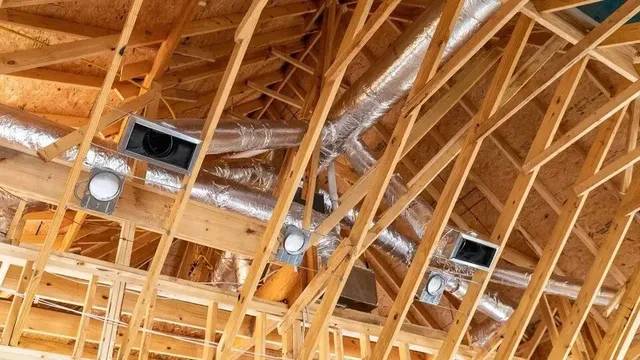
Most homeowners focus on air filters, open windows, or houseplants to keep indoor air clean. But there is one space that quietly influences every breath you take inside your home, and it sits directly above your head.
Your attic is far more connected to your living space than it might appear.
Poor attic conditions can introduce pollutants, allergens, and moisture into the air your family breathes every day.
Understanding how this connection works is the first step toward a healthier, safer home environment.
The Hidden Connection Between Your Attic and the Air You Breathe
Your attic and your living space may feel like two separate worlds, but they share a constant, invisible exchange of air.
This exchange happens through gaps in the ceiling, around light fixtures, through recessed lights, along wall cavities, and even through poorly sealed ductwork.
Warm air from your home rises and exits through these openings into the attic, while attic air can seep back down in the opposite direction.
This process, known as the stack effect, means whatever exists in your attic has a direct path into your home.
Here you can find professional attic cleaning services in Houston for your home.
This is necessary due to the extreme seasonal temperatures, which become especially relevant.
Heat, humidity, and local environmental conditions all intensify the rate at which attic air infiltrates your living space.
The contaminants that travel this path are not always visible.
Dust particles, mold spores, insulation fibers, rodent droppings, and even volatile organic compounds from old materials can all hitch a ride on airflow moving between your attic and the rooms below.
If your HVAC system runs ductwork through the attic, any breach in those ducts pulls attic air directly into your supply vents, bypassing filtration entirely.
The result is that your attic becomes a hidden reservoir of pollutants that continuously feeds your indoor air.
How Moisture Buildup in the Attic Pollutes Indoor Air
Moisture is one of the most damaging forces in an attic.
It arrives from multiple sources: warm, humid air from the living space below, inadequate ventilation that traps condensation, and roof leaks that introduce water directly into the structure.
Once moisture levels rise, the attic becomes a near-perfect environment for mold and mildew to take hold.
Why Attic Mold Spreads Faster Than You Expect
Mold in an attic does not stay contained.
Mold spores are microscopic and lightweight, so they travel easily through the same air pathways described above.
A mold colony on the underside of the roof sheathing can release thousands of spores per day.
Those spores enter your living space and can trigger respiratory issues, allergic reactions, and long-term health problems, particularly in children, the elderly, and anyone with asthma.
The Role of Bathroom and Kitchen Exhaust Vents
One of the most overlooked contributors to attic moisture is improper duct termination.
Bathroom fans and kitchen exhaust vents are meant to push humid air outside. But, in many homes, those ducts terminate directly into the attic instead of through the roof or a soffit.
The result is a steady deposit of warm, moist air into an enclosed space, which accelerates mold growth and wood rot over time.
How Condensation Damages Air Quality Over Time
Even without a visible leak, condensation alone can saturate attic materials. In colder months, warm air from below meets the cold attic deck and releases moisture.
Over time, this repeated cycle degrades wood, insulation, and other structural materials.
As these materials break down, they release particles and compounds into the air that eventually make their way into your home.
The Role of Attic Ventilation in Maintaining Healthy Air Quality
Proper attic ventilation is not just about temperature regulation.
It is a direct factor in whether your attic accumulates the pollutants that degrade indoor air quality.
A well-ventilated attic allows outside air to flow continuously through the space, which prevents moisture buildup, reduces heat accumulation, and limits the conditions that allow mold and pests to thrive.
How Ridge and Soffit Vents Work Together
The most effective attic ventilation systems use a combination of soffit vents at the base and ridge vents at the peak.
Cool outside air enters through the soffits, rises naturally as it warms, and exits through the ridge.
This continuous airflow keeps the attic dry and prevents stagnant, contaminated air from building up.
Without this balance, even a partially ventilated attic can develop hot spots and moisture pockets that breed problems.
Signs That Your Attic Ventilation Is Inadequate
You might not realize your attic is poorly ventilated until the damage is already present.
Common indicators include ice dams in winter, excessive heat in upper-floor rooms during summer, and visible rust on metal fasteners or nail heads in the attic.
Another strong indicator is a musty smell in rooms near the ceiling, which often signals that stale, contaminated attic air has found its way into your living space.
The Impact of Blocked or Insufficient Vents
Insulation that covers soffit vents, birds’ nests in ridge vents, or simply too few vents for the attic’s square footage all restrict airflow.
Once airflow drops, temperature and humidity in the attic rise sharply.
Higher humidity means a greater risk of mold, and higher temperatures accelerate the off-gassing of chemicals from older insulation or roofing materials.
Both outcomes directly affect the air you breathe on the floors below.
How Insulation Condition and Air Sealing Impact What Enters Your Living Space
Insulation and air sealing work together as a barrier between your attic environment and your conditioned living space.
In good condition, they block the movement of air, heat, and contaminants. In poor condition, they become part of the problem.
Why Old or Damaged Insulation Becomes a Pollutant Source
Older insulation materials, particularly certain types of blown fiberglass or older vermiculite-based products, can shed particles over time.
These particles are fine enough to become airborne and travel through gaps in the ceiling into living areas.
Plus, insulation that has been saturated by water from a roof leak or condensation loses its structural integrity, compacts, and can develop its own mold colonies, which then contribute to spore levels throughout the home.
Air Sealing as Your First Defense Against Attic Infiltration
Air sealing refers to the process of closing all the gaps, cracks, and penetrations between your living space and the attic.
Common locations include around plumbing pipes, electrical wires, recessed light housings, and attic access hatches.
Without proper sealing, these openings act as a network of small channels that constantly allow attic air to flow down into your home.
Sealing them effectively reduces the volume of contaminants that can enter, regardless of what conditions exist in the attic above.
The Connection Between Insulation Gaps and Energy Efficiency
Beyond air quality, gaps in insulation create thermal bridges that force your HVAC system to work harder.
A system that runs longer cycles draws more attic air through duct leaks and ceiling gaps, which compounds the pollution problem.
Addressing insulation gaps hence benefits both your air quality and your energy costs at the same time.
Warning Signs That Your Attic May Be Compromising Your Indoor Air
Sometimes the attic sends signals before you ever open the hatch to inspect it.
Knowing what to look for inside your home can help you identify an attic-related air quality problem early, before it requires major remediation.
Persistent Allergy Symptoms Without an Obvious Cause
If members of your household experience ongoing sneezing, eye irritation, or congestion that does not correspond to a known allergy season or outdoor pollen count, the source may be indoors.
Mold spores and insulation fibers from a compromised attic can produce symptoms nearly identical to seasonal allergies.
If symptoms improve noticeably during time spent outside the home, an indoor air quality issue is worth investigating.
Visible Staining or Musty Odors Near Ceilings
Water stains on ceilings or walls near the top of the room are a direct indicator of moisture that has migrated from the attic.
Even if no active leak is present, these stains may reflect past moisture events that left mold behind. A persistent musty or earthy smell in upper-floor rooms is another strong signal.
Mold has a distinctive odor, and if that smell is present even after cleaning, the source is likely hidden above the ceiling.
Uneven Temperatures and Increased Dust Levels
Rooms that feel significantly warmer or cooler than the rest of the house can indicate that attic air is infiltrating through ceiling gaps or poorly sealed ductwork.
At the same time, a noticeable increase in dust accumulation on surfaces throughout the home may point to particulate matter entering from the attic.
If your filters clog faster than usual or your ductwork distributes a stale smell, it is worth having your attic professionally inspected.
Conclusion
Your attic does not have to be a source of indoor air pollution.
Proper ventilation, intact insulation, thorough air sealing, and regular inspections are all practical steps that protect the air quality inside your home.
The attic is out of sight, but it should never be out of mind.
Address problems early, and your home will reward you with cleaner air, lower energy bills, and a healthier living environment for everyone inside.
