

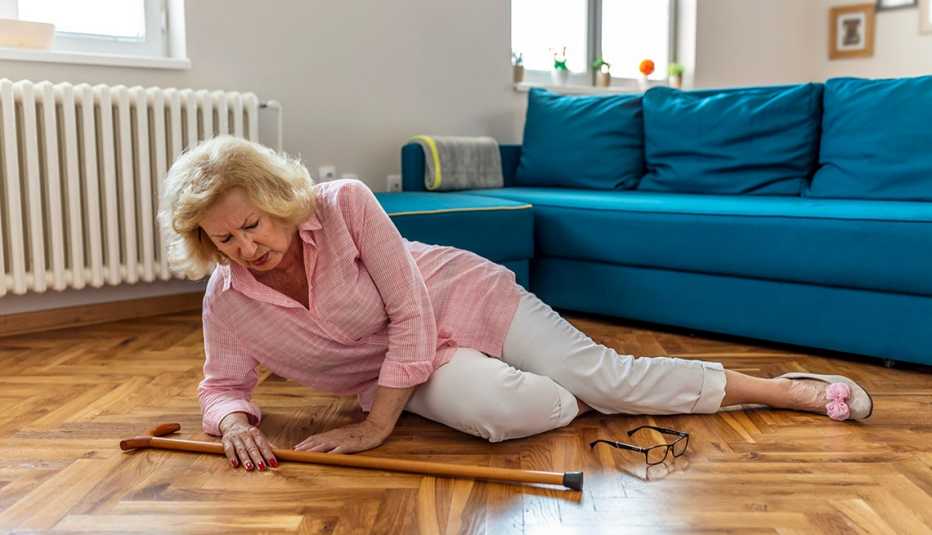
It’s one of those things you don’t really think about—until it happens.
Someone slips. Misses a step. Trips on something small you didn’t even notice before.
Suddenly the whole mood shifts.
It’s stressful and depending on the situation, can even feel awkward. You’re trying to help, but also figuring things out at the same time.
There’s no perfect way to handle someone falling in your home, especially if the person is injured. But there is a simple way to move through it without making things harder than they need to be.
You don’t need a script. Just a few steady steps.
Check on Them First
Start simple. Ask if they’re okay. But don’t just take the first answer at face value.
People say “I’m fine” pretty quickly. It’simportant to watch how they move.
Are they steady? Do they seem off?
If they hit their head or seem unsure on their feet, it’s better to get help involved. If they can sit, help them somewhere comfortable. Let things settle for a minute.
Look Around and Piece It Together
After things calm down a bit, take a look. What actually caused it?
Sometimes it’s obvious. Sometimes it’s not. A wet spot, a rug that shifted, lighting that wasn’t great—anything might be the cause of a fall.
You don’t need to overanalyze it. Just notice it.
If you can, take a couple quick photos. Nothing formal. Just something to remember what it looked like.
Pause Before Fixing It
This part feels backward, but it helps.
You’ll probably want to fix whatever caused the fall right away. And you should—just not instantly.
Take a quick photo first. That’s it. Then clean it up or move it so it’s not a problem again.
Let Your Insurance Company Know
If there’s any injury—even something that seems small—it’s worth mentioning to your insurance provider.
You don’t need a full story ready. The basics are all you need to start a conversation.
They’ll tell you what they need next. It’s usually easier to do that sooner rather than trying to explain it later, especially if you can’t remember all the details.
Check In Later
This part is easy to skip, but it matters.
Send a message to the guest who fell. Keep it simple. Just ask how they’re feeling.
Sometimes things show up later—soreness, stiffness, that kind of thing. Staying in touch helps you stay aware without making it a big thing.
When It Stops Feeling Simple
Some situations stay minor. Others don’t.
If the injury turns into something more serious—or there’s uncertainty about what caused the fall—things can escalate quickly.
Questions around liability, medical expenses, and insurance coverage don’t always have clear answers, especially in slip-and-fall situations inside a home.
That’s usually when people begin looking into experienced personal injury representation to better understand their options.
In those moments, credibility matters.
You might come across things like the DM Injury Law Wichita awards, which reflect local recognition for firms that handle injury claims and help clients navigate complex accident-related cases.
Firms recognized for their work in personal injury cases—including accidents like slip-and-falls—are often easier for people to trust when choosing legal support.
Make Small Fixes Going Forward
Once things settle, take another look around. It’s usually small stuff, such as:
- Rugs that slide
- Darker areas
- Uneven spots
- Things left in walkways
You don’t have to redo and upgrade your entire living space. Just fix what stands out.
Sometimes it helps to get a quick sense of what others look for during a home safety check—simple walkthroughs or checklists can point out things you might miss at first glance.
Even a basic guide can make you see your space a little differently.
If you want a starting point, resources like a general home safety checklist can give you a few extra things to think about without overcomplicating it.
Keeping Things Calm and Covered
Having someone fall in your home is never planned, but most of the time, it’s manageable.
Check on the person. Take a minute to understand what happened.
Handle what’s in front of you, one step at a time.
That alone goes a long way.
If you want more straightforward tips on keeping your home safe and handling the unexpected, there’s plenty more to explore across our site.
