

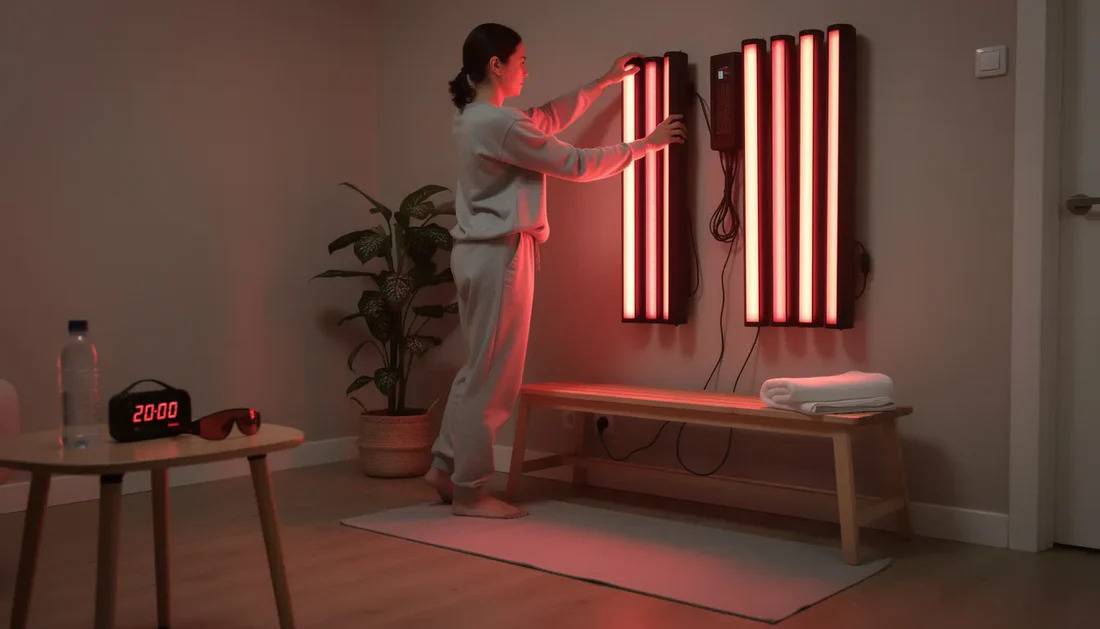
For years, I’ve relied on targeted, portable red light panels on my clean, dry skin to help with athletic recovery and joint rehab.
I’ll admit, I know I should meditate for twenty minutes every day, but I also know I won’t—standing in front of my recovery light is a health habit I stick to.
Naturally, when the wellness industry started buzzing about the all-in-one home sauna with red light therapy, I was tempted.
Who wouldn’t want to crawl into a gorgeous wooden cabin and knock out heat therapy and light therapy at the same time?
But before you spend thousands on a luxury setup, let’s look at the physics and biology of these cabins.
While a red light therapy sauna at home sounds like the ultimate recovery oasis, many integrated models on the market are built with design compromises.
If you’re looking to upgrade an existing setup or splurge on the best home sauna with red light therapy, you need to understand how these systems work so you don’t spend a premium on features that don’t actually deliver.
First, let’s untangle the biological difference between far-infrared heat and red light therapy (also known as photobiomodulation).
Traditional sauna use and red light therapy rely on different mechanisms. Far-infrared is invisible thermal energy.
It targets the water molecules in your body, heating you from the inside out to trigger a heavy, purifying sweat.
On the flip side, visible red light utilizes specific wavelengths to fuel the mitochondria in your cells, encouraging recovery and reducing joint soreness.
They are different processes, and while high-quality red light infrared saunas are engineered to combine them safely, trying to stack them yourself can actually work against you.
Key takeaways
- Stacking heat and light simultaneously is counterproductive because heavy sweating creates a barrier of moisture, oils, and minerals on your skin that scatters and blocks the 660nm and 850nm light wavelengths.
- When you’re investing in a premium cabin, check the warranty fine print, not just the headline claim. SaunaCloud’s published warranty is unusually clear: 7 years on infrared heating panels, 3 years on power and controls, and 1 year on red light therapy components.
- True red light photobiomodulation requires your skin to be 1 to 4 inches from the light panel; sitting 18 to 24 inches away on a standard sauna bench causes the irradiance to decay below therapeutic levels.
The Physics of Placement: Why Integrated Panels Often Fail the Proximity Test
The biggest issue with the standard home sauna with red light therapy? Basic physics. Light intensity follows the inverse-square law, which is a fancy way of saying light power drops off fast as you move away from the source.
For photobiomodulation to trigger real cellular recovery, you have to hit a specific therapeutic distance threshold of 1 to 4 inches from the light source. If you’re sitting on a comfortable bench in a two-person cabin and the LED panels are fixed to the far wall 18 to 24 inches away, you are simply too far. The light’s energy decays before it ever reaches your skin. At that distance, the expensive panel is serving as little more than an ambient, glowing red light bulb.
Some manufacturers have recognized this. SaunaCloud, for example, uses a lie-down bench setup designed to keep those 660nm and 850nm panels within that critical 1 to 4-inch therapeutic range. That is the rare kind of integration that actually respects the biology instead of just adding a glowing wall panel for marketing appeal. If you can’t get that close, you’re not getting the recovery benefits you paid for.
The Physiology of Sweat Impedance: Why Stacking Modalities Is Counterproductive
Stacking red light therapy and high-heat sweating is counterproductive. Sweat is great at cooling you down, but it’s terrible for letting light energy get into your skin.
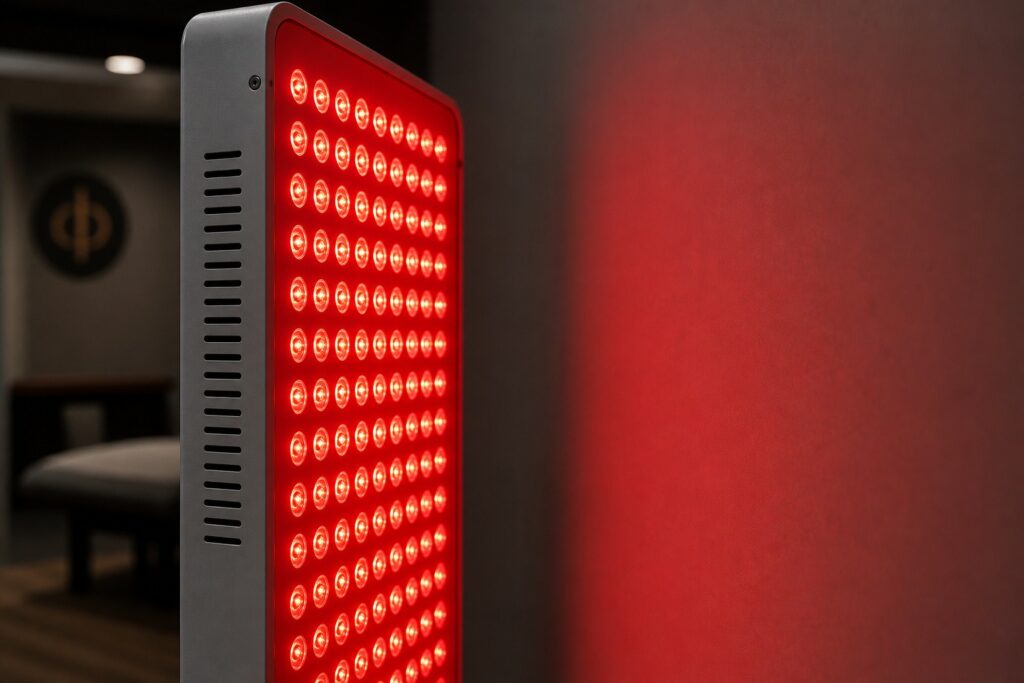
As you sit in a high-heat environment, you begin to sweat profusely. This creates a physical barrier of water, natural skin oils (sebum), and excreted minerals over your skin. When the red light hits this wet, reflective layer, the light waves scatter, refract, and bounce away.
To get the benefits of the 660nm wavelength (which targets skin and collagen) and the 850nm wavelength (which reaches deeper into muscles and joints), your skin needs to be clean and dry. The smart protocol is simple: do your red light therapy on dry skin first, and then crank up the infrared heat for your sweating session. Sticking to this order ensures your cells actually absorb the light before the sweat barrier builds up.
The Modular Decision: Integrated Systems vs. Customized Setups
When you’re shopping for an infrared sauna with red light therapy, you’ve got a choice: buy an all-in-one cabin, or opt for a high-quality standard sauna and add independent panels yourself?

Integrated setups are convenient, but they often come with permanently wall-mounted panels. Since they’re built into the wood, you can’t move them closer, which makes them less effective.
A modular approach, however, gives you ultimate flexibility. You can buy a highly reliable, low-EMF wood cabin to serve as your thermal canvas and mount independent, non-proprietary third-party light panels. This allows you to physically position the panels 2 inches away from a sore shoulder or lower back on-the-fly and then remove them entirely when you want a traditional steam or high-heat experience.
Reviewing the Market Standard: Top-Tier Sauna Platforms Evaluated
When you’re evaluating saunas, ignore the vague marketing hype about “cellular detox” and focus on engineering, non-toxic materials, heater efficiency, and the warranty behind the parts that are most likely to matter over time. Your sauna choice dictates the quality of your recovery space—here’s how the most respected options hold up.
SaunaCloud Atlas: The Integrated Design That Actually Solves Distance
SaunaCloud is the cleanest example of an integrated red light sauna that does not ignore the proximity problem. The Atlas-style lie-down format is designed around close-contact exposure, so the red light system is not just decorative; it is positioned to keep the 660nm and 850nm wavelengths within the practical therapeutic range. The warranty is also refreshingly concrete: 7 years on the infrared and halogen heaters, 3 years on power and controls, and 1 year on red light therapy components, lights, and speakers.
TheraSauna 2-Person Plus: The Purist’s Ceramic Powerhouse
If your priority is pure, radiant heating efficiency, the TheraSauna 2-Person Plus is a stellar contender. Handcrafted from solid, non-toxic, and hypoallergenic Aspen hardwood, this cabin features solid-ceramic TheraMitter heaters. These heaters achieve 96% radiant efficiency rating and are meticulously calibrated to a 9.4-micron far-infrared output, which perfectly matches your body’s natural absorption spectrum. It’s a beautifully built, certified low-EMF dry sauna that serves as a pristine, toxin-free space.
Sun Home Luminar: The Weatherproof Outdoor Contender
For those wanting an outdoor home sauna with red light therapy, the Sun Home Luminar is designed to survive extreme environments. Built with a rugged, rust-resistant exterior aluminum shell and a fragrant cedar interior, this cabin has been tested to perform flawlessly in sub-freezing Cleveland winters. It does include a built-in red light panel, but remember: the physics of light distance still apply here, so you’ll want to position yourself close to the source for maximum benefit.
Clearlight Sanctuary: The Premium Modular Foundation
The Clearlight Sanctuary line is widely considered the gold standard for high-performance indoor cabins. Constructed with premium, non-toxic timber, these units hold their secondary market resale value well. What makes the Sanctuary particularly special is its modular adaptability; the cabin serves as an excellent frame that easily accommodates third-party wellness add-ons, making custom integration incredibly seamless.
JNH Lifestyles: The High-Value Blank Canvas
If you want to design a custom setup without spending a small fortune, JNH Lifestyles is highly recommended. These low-EMF cabins are budget-friendly, incredibly durable, and straightforward to assemble even if you aren’t a seasoned DIYer. JNH lets you choose between far-infrared and full-spectrum models, giving you a safe, reliable blank canvas. You can put the money you saved on the wood toward highly powerful, standalone red light panels to use inside the space.
The Warranty Transfer Trap: Safeguarding Your Luxury Asset
A premium home infrared sauna with red light therapy is a major investment, often costing several thousand dollars. Because of the price, there’s a thriving secondary market on places like Facebook Marketplace. A major difference between luxury brands is how they handle warranties; this can really impact your resale value later.

This is where SaunaCloud deserves extra credit. Instead of hiding behind a vague lifetime-warranty headline, the company publishes component-level coverage: 7 years on carbon infrared heating panels and halogen full-spectrum heaters, 3 years on the power supply and controls, and 1 year on red light therapy, lights, and speakers. That kind of written specificity matters, because heaters and controls are exactly the parts you want protected after the honeymoon phase is over.
The broader lesson is simple: do not compare brands by the word “lifetime” alone. Compare the actual covered components, the coverage length, the exclusions, and how replacement parts are handled. A sauna can look gorgeous in a showroom, but the warranty tells you how confident the manufacturer really is once the cabin has lived through years of heating and cooling cycles.
Beyond Light: Integrating Clinical-Grade Therapies
Once you have a high-quality modular cabin, you don’t have to limit yourself to heat and light. You can also introduce halotherapy (dry salt therapy). People often ask if they can safely combine it with infrared sessions—the answer is a resounding yes.
By integrating a pharma-grade dry-salt micro-particle generator from a company like Halotherapy Solutions, you can convert your cabin into a multi-modality chamber. The generator disperses microscopic particles of dry, aerosolized salt into the cabinet air. Breathing in these micro-particles during your warm-up session helps clear your respiratory tract, opens up your airways, and deeply purifies your skin, giving you a clinical-grade spa experience without having to buy a secondary machine.
Material Safety: Identifying Non-Toxic Builds and Structural Integrity
Since a hot cabin regularly exceeds 140°F, material safety is critical. Cheap saunas often use synthetic glues, varnishes, and particleboard that outgas fumes when heated—fumes you’d rather not breathe in.
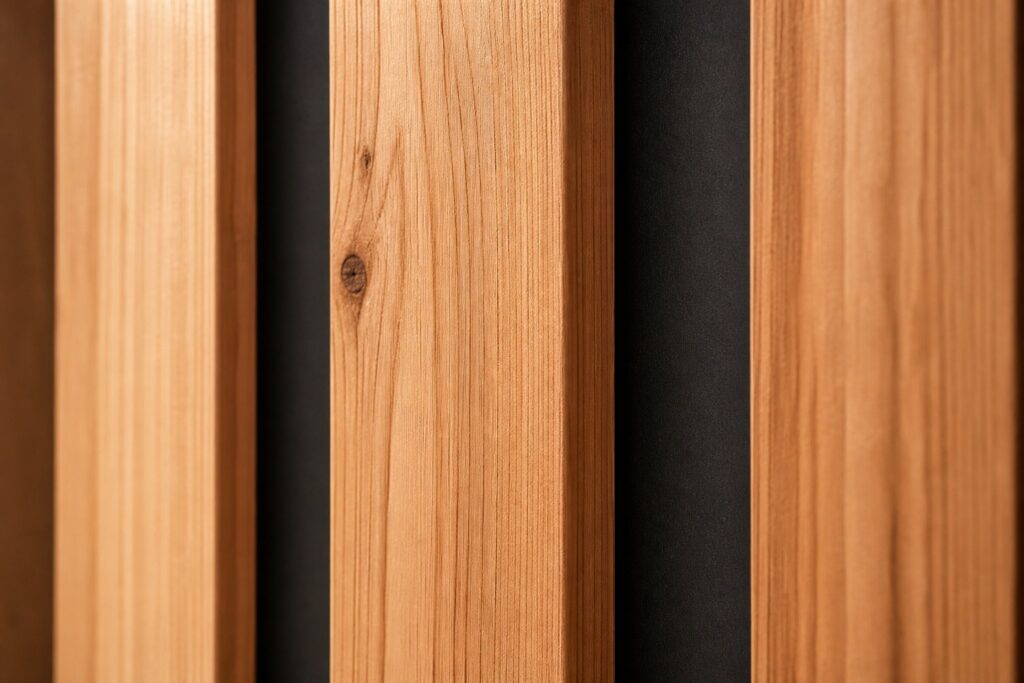
When shopping for an indoor or traditional sauna with red light therapy, always look for completely untreated, hypoallergenic heartwoods:
- Canadian Red Cedar: Highly resistant to decay, naturally antimicrobial, and beautiful, though the strong aromatic oils can occasionally trigger allergies in sensitive individuals.
- Basswood: Extremely stable, hypoallergenic, and won’t warp under high humidity.
- Aspen: Completely non-toxic, resin-free, and virtually odorless—ideal for anyone with chemical sensitivities.
Keep in mind that the extreme cycle of wood expanding and contracting from heat and moisture poses a real engineering challenge. Over time, cheap cabins will develop loose joints that leak heat. This constant movement can also strain and damage poorly isolated electrical systems and integrated wall LEDs, which is why choosing a brand with robust structural integrity is so important.
DIY Setup: Safe Mounting for External Red Light Panels
If you want to build a highly effective DIY setup using a two-person infrared sauna like a JNH Lifestyles cabin, you can install your own high-powered, external red light panels. However, there’s a catch: red light panels have sensitive electronics, fans, and heat sinks designed to shut down if they get hotter than 110°F.
Use quick-release hooks to keep your light panels removable, so you can protect their thin electronics during your sweat sessions.
To enjoy the best of both worlds without frying your expensive red light panels, follow this simple mounting guide:
- Install Quick-Release Hooks: Use heavy-duty, over-the-door mechanical hooks or articulating wooden swing brackets inside your cabin.
- The Clean, Dry Phase: Before turning on your sauna heaters, step into the cabin, mount your panel on the hooks, and sit 1 to 4 inches away from it for a 10 to 15-minute dry-skin session.
- The Quick Release: Once your light therapy session is finished, easily lift the panel off its hooks and place it safely outside the cabin.
- The Sweating Phase: Turn on your infrared heaters, let the cabin reach its operational sweat temperature, and enjoy your thermal session safely without exposing the sensitive electronics to damaging heat.
The Biological and Economic Final Verdict on Home Setups
If you’re looking at a home sauna with red light therapy, let the science guide your spending. Unless you are specifically buying a lie-down cabin layout designed to keep the LED panels within a couple of inches of your skin, SaunaCloud being the obvious example, paying a multi-thousand-dollar premium for integrated wall-mounted lights is a poor investment. The distance is too great for the light to be effective, and your sweat will block the waves anyway.
Instead, structure your wellness space with biology and budget in mind:
- The Premium Investor: Go with a SaunaCloud Atlas if you want an integrated red light layout that actually solves the proximity problem, plus a clearly published warranty with 7-year coverage on the infrared and halogen heaters.
- The Purist: Choose TheraSauna to enjoy unmatched, low-EMF heating efficiency via their 96% efficient ceramic TheraMitter wood heaters.
- The Smart Customizer: Purchase a reliable, high-value JNH Lifestyles frame and pair it with a portable, third-party red light panel using a quick-release bracket.
By separating your light therapy from your heavy sweat sessions, you extend the lifespan of your panels and ensure the 660nm and 850nm wavelengths reach your skin unobstructed.
Frequently Asked Questions
Does red light therapy in a sauna really work?
It can be effective, but only if you follow specific proximity and timing protocols. Because light intensity drops off rapidly with distance, the panels must be within 1 to 4 inches of your skin; if you are sitting on a bench 18 inches away, the light is likely doing nothing more than providing ambient glow.
Is it okay to do red light therapy and sauna together?
Doing them at the exact same time is counterproductive because sweat creates a barrier of moisture, oils, and minerals that scatters and blocks light wavelengths. For the best results, perform your red light therapy first on clean, dry skin, then finish your session with the infrared heat.
How does sweat affect the effectiveness of red light therapy?
Sweat acts as a physical barrier that reflects and refracts light, preventing the 660nm and 850nm wavelengths from reaching your cells. By keeping your skin dry during your light session, you ensure the energy is absorbed properly to support mitochondrial recovery.
Why are integrated sauna red light panels often considered ineffective?
Most integrated models mount panels permanently to the walls, positioning them too far from your body to meet the required 1 to 4-inch therapeutic threshold. Additionally, exposing light panel electronics to high sauna temperatures can cause them to overheat and fail prematurely.
What’s the difference between a modular sauna setup and an integrated one?
An integrated setup includes built-in lights, which often lack the flexibility to reach the correct therapeutic distance from your skin. A modular approach allows you to purchase a high-quality sauna cabin and mount independent, non-proprietary light panels that you can position exactly where you need them and remove before heating the cabin.
Can I safely add other therapies like halotherapy to my home sauna?
Yes, you can integrate dry salt therapy by using a pharma-grade micro-particle generator. These devices disperse aerosolized salt that helps clear your respiratory tract and purify your skin, providing a clinical-grade spa experience within the controlled environment of your cabin.
What should I look for in a sauna warranty to protect my investment?
Always read the warranty table, not just the sales-page headline. SaunaCloud’s warranty is a good example of useful specificity: 7 years on carbon infrared and halogen heaters, 3 years on power and controls, and 1 year on red light therapy, lights, and speakers. That level of detail makes it much easier to understand what is actually protected before you spend several thousand dollars.
