

Homeowners pour billions into backyards every year expecting to recoup the money at sale time.
The reality is that many of the most popular outdoor improvements barely move the needle on a home’s value, and some actually make properties harder to sell.
Real estate appraisers operate on a simple principle: improvements only add value if buyers in your market actually want them and are willing to pay extra for them.
That second part is where a lot of outdoor projects fall apart.
A backyard transformation that took six months and $40,000 might add $5,000 to your appraised value, or nothing at all.
If you’re considering a major outdoor project specifically to boost resale value, the math deserves a hard look first.
Here’s where homeowners most often spend money that doesn’t come back.
Pools and Spas: The Big Spends That Rarely Return
In-ground swimming pools are probably the most studied outdoor living improvement, and the data has been consistent for decades.
In most U.S. markets, a pool adds somewhere between 5 and 8 percent to home value, while typically costing $50,000 to $100,000 or more to install. The return on investment rarely breaks even.
The exception is high-end markets in warm climates where pools are expected.
In Phoenix, Miami, or Las Vegas, not having a pool can actually hurt your value because buyers in that price range assume one. But in Wisconsin, Michigan, Pennsylvania, or anywhere with a real winter, pools are often viewed as a liability rather than an asset.
The reasons buyers hesitate include insurance costs, maintenance burden, safety concerns with children, and the simple fact that a pool only gets used a few months per year in colder climates.
Some buyers will skip a listing with a pool entirely, even if everything else is perfect. That narrowed buyer pool typically means longer time on market and less negotiating leverage.
Hot tubs and built-in spas follow the same pattern with smaller numbers.
Above-ground portable hot tubs are basically considered personal property and add nothing to appraised value. Built-in spas can add a little in luxury markets, but a $15,000 installation might return $3,000 to $5,000 at appraisal.
There’s also the buyer perception problem: a used hot tub raises questions about maintenance, sanitation, and pending repairs that often turn it into a removal request before closing.
Elaborate Landscaping and Water Features
This one surprises a lot of homeowners.
Spending $20,000 on professional landscaping, ornamental trees, decorative beds, and a koi pond feels like it should add real value to a property.
In practice, basic curb appeal matters, but elaborate landscaping mostly doesn’t.
The reason is maintenance. Buyers see a yard with twelve garden beds, three water features, and specialty plantings, and they don’t see beauty.
They see weekend hours and a monthly landscaping bill. Unless the yard is simple enough to maintain itself, complex outdoor design works against most buyers.
Mature trees in good locations do add value, often substantially.
So does a basic, well-kept lawn and foundation plantings that look healthy and intentional. Beyond that baseline, the returns drop quickly.
Custom hardscaping with multiple levels, retaining walls, and decorative stonework rarely returns more than 30 to 50 percent of what it cost to install.
Koi ponds and water features are the worst offenders.
They’re expensive to install, expensive to maintain, and often viewed as a problem to be removed by the next owner.
A pond that cost $12,000 might actually reduce your sale price because buyers calculate the cost of filling it in or repairing it.
Outdoor Kitchens, Pergolas, and Custom Structures
Outdoor kitchens hit their peak popularity in the late 2010s, and the construction industry pushed them hard.
The reality at resale is that a $25,000 outdoor kitchen typically adds $5,000 to $10,000 in value, sometimes less in regions where outdoor cooking season is short.
The problem is that outdoor kitchens are deeply personal.
Your built-in grill, pizza oven, refrigerator, and bar setup reflects your taste and how you entertain.
Buyers walk in and either love it or see appliances that will need replacing in eight years and a layout that doesn’t match how they cook.
Pergolas, gazebos, and custom shade structures sit in similar territory.
They look great in photos and rarely justify their cost at sale time.
A simple, well-built pergola attached to a patio might add modest value.
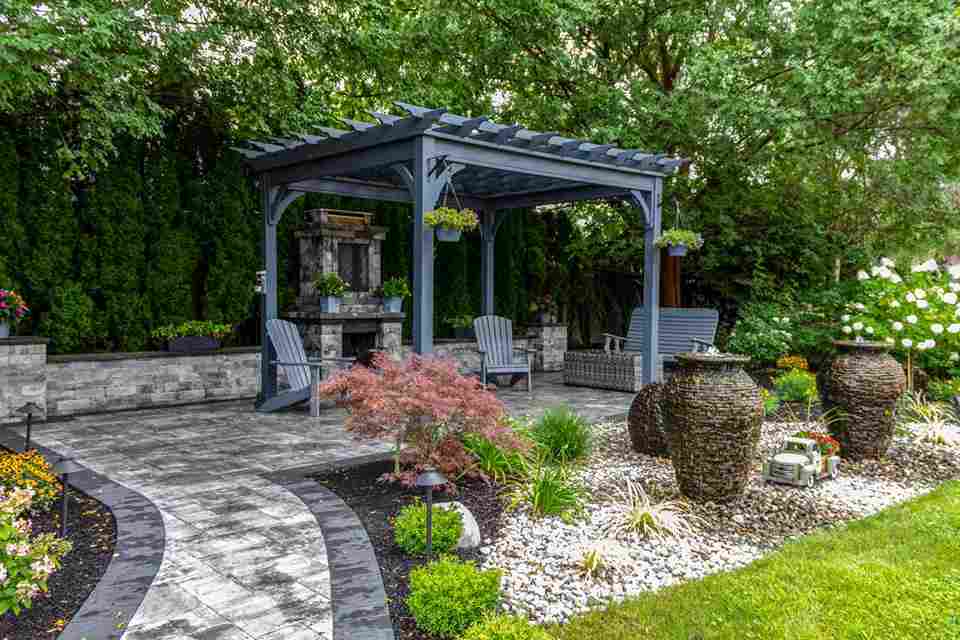
An elaborate cedar pergola with custom curtains, lighting, and built-in seating costs $15,000 to $30,000 and might add a fraction of that to the appraisal.
Custom playground equipment, treehouses, and elaborate kids’ play structures almost always count as zero or negative value at sale.
Buyers without children that age see them as removal projects, and the cost of demo gets factored into their offer rather than added to it.
When You’ve Already Spent the Money
Plenty of homeowners read this kind of advice after the fact.
The pool is in the ground, the outdoor kitchen is built, the pond is dug, and now selling means trying to recoup what you can. There are a few things worth knowing in that situation.
First, don’t rip out functional features just because the data says they don’t add value.
A pool that’s already there and well-maintained is different from a pool you’re considering installing.
Buyers who want one will appreciate it, and the buyers who don’t would have skipped your listing anyway.
The cost and disruption of removal usually exceeds whatever bump in buyer interest you’d see.
Second, focus your pre-sale spending on the boring items that actually do add value.
Fresh paint, clean landscaping, a pressure-washed driveway, and minor repairs return more per dollar than any major outdoor improvement.
The best-returning outdoor work is usually in the four-figure range, not the five-figure range.
Third, if your property has a lot of personal touches that don’t appeal to a broad market, the traditional listing process gets harder.
Showings take longer, days on market go up, and you may end up adjusting price to account for features buyers see as negatives.
In situations like that, working with The Best Cash Home Buyer can be a faster path than waiting for the rare buyer who shares your specific tastes.
Cash buyers price on fundamentals like location, square footage, and structural condition rather than penalizing you for that elaborate outdoor setup that took years to build.
What Actually Does Add Value Outside
It helps to know what works, not just what doesn’t.
The best-returning outdoor projects are usually the unsexy ones.
A new garage door consistently returns 90 percent or more of its cost at sale, year after year.
Fresh exterior paint returns 50 to 70 percent. Well-maintained, simple landscaping with healthy turf and clean edges returns more than people expect because it signals overall property care.
A new fence in good condition adds modest value, especially for buyers with kids or pets.
A clean, level driveway in good repair beats almost any decorative feature you could add.
A deck in safe, usable condition matters more than how elaborate it is.
Replacing rotten boards and adding a fresh stain returns more than building an entirely new deck three sizes larger.
The pattern is consistent: buyers pay for function, low maintenance, and the absence of obvious problems.
They don’t pay much extra for taste, complexity, or personalization, no matter how impressive the project looks in photos.
The Bottom Line
Outdoor projects make sense when you’re going to use and enjoy them.
They make a lot less sense when the primary motivation is increasing your home’s resale value.
The math just doesn’t work for most major installations, especially in colder climates and middle-market price ranges where buyers are stretching to afford the home before they think about its amenities.
If you’re sitting on a home with significant outdoor investments and you’re getting ready to sell, the question isn’t really how to recoup what you spent.
That ship has usually sailed. The better question is how to position the property to get a clean, fair sale without spending more money chasing improvements that won’t come back.
Sometimes that means a traditional listing with realistic pricing, and sometimes it means a cash sale that values the home itself rather than penalizing you for personal choices the next owner wouldn’t have made.
