
A well-thought-out layout is crucial in creating the perfect atmosphere for guests in bars and lounges.
The design of the space directly impacts guest comfort, social interaction, and overall experience.
A thoughtful layout ensures that each area is functional while maintaining an inviting ambiance.
In this article, we’ll explore key elements of an effective bar and lounge layout, including maximizing space utilization, optimizing seating arrangements, and ensuring smooth traffic flow.
Maximizing Space Utilization
Efficient use of space is key to creating an inviting and functional bar or lounge, especially in venues with limited square footage.
Even compact areas can feel open and comfortable by strategically arranging furniture and layouts.
One effective solution is incorporating multi-purpose furniture, such as modular seating, bar stools, and foldable tables, which can be rearranged to accommodate different group sizes or events.
Additionally, dividing the space into distinct zones, like a central bar area, a lounge space for relaxation, and private booths for intimate gatherings, ensures that each part of the venue serves a specific function.
This approach enhances both the flow of guests and their overall experience.
I-5 Design bar and lounge build excels at transforming challenging spaces into spacious and guest-friendly environments with flexible configurations, showcasing their expertise in space maximization.
Optimizing Traffic Flow
Making sure guests and staff can move around easily is key to a good bar or lounge layout. It’s important to leave enough space so no one feels cramped or blocked.
Pathways and walkways should be clear and wide, helping guests easily reach the bar, seating areas, and restrooms without getting stuck in crowds.
To keep the flow smooth, avoid placing tall furniture or large objects in the middle of walkways.
These can get in the way and slow people down. Staff movement is also important. Staff should be able to get to all areas of the space quickly to serve guests without delays.
Thoughtful Seating Arrangements
Seating arrangements should be designed to cater to both small intimate groups and larger parties.
By offering a variety of seating options, you can ensure that guests have choices based on their group size. This flexibility helps create a comfortable and enjoyable experience for everyone.
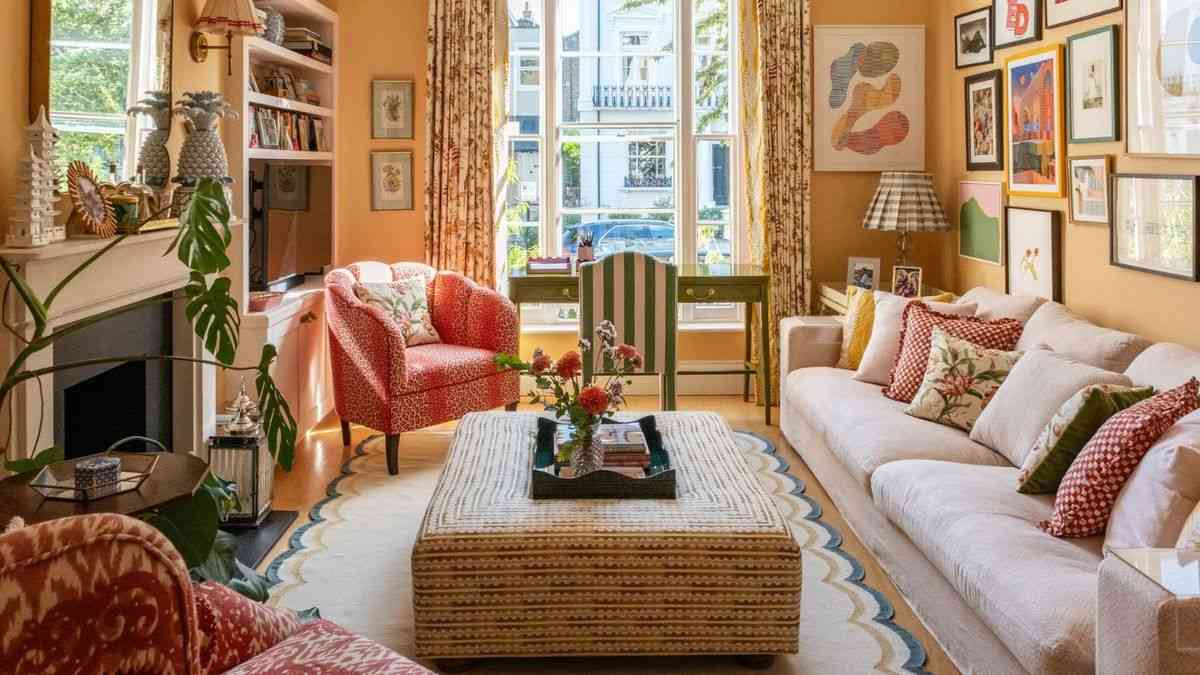
- Comfortable and inviting seating: Provide soft chairs, cozy sofas, and private booths to encourage guests to relax for longer periods. This makes the space feel welcoming and perfect for extended visits.
- Balance privacy and social interaction: Arrange tables and chairs so guests can enjoy private conversations while still feeling part of the social atmosphere. This layout allows for personal space without isolation.
- Customizable seating options: Use movable furniture like chairs and tables that can be easily rearranged to accommodate different events or group sizes. This flexibility helps your venue adapt to any occasion, from casual meetups to larger celebrations.
Lighting and Ambience Integration
The right lighting can transform a space, making it feel welcoming, exciting, or relaxing, depending on the desired vibe.
- Layered lighting: Use a mix of overhead, task, and accent lighting to add depth to the space. Overhead lighting provides general illumination, while task lighting can focus on areas like the bar, and accent lighting can highlight features such as artwork or architectural details.
- Highlight focal points: Use lighting strategically to draw attention to key areas like the bar, unique design elements, or special décor. This helps guide guests’ attention and creates a visual flow.
- Mood control: Lighting also sets the tone. Brighter lights can create an energetic and lively atmosphere, while dimmer lighting adds a more intimate relaxed feel, perfect for quiet conversations.
The Role of the Bar as a Focal Point
The bar should be strategically positioned as a central focal point in the space.
Ideally, it should be placed in a location that encourages interaction without disrupting the overall flow of the venue.
The bar should be close enough to the lounge seating to encourage guests to gather and socialize but far enough to avoid overcrowding or blocking movement.
In terms of design, the bar should be visually appealing, with clear signage and seating arrangements that invite guests to approach and engage.
A well-designed bar not only serves a functional purpose but also enhances the venue’s atmosphere, making it a key feature in creating an inviting and interactive environment.
Endnote
A well-designed layout plays a key role in how guests experience a bar or lounge.
By focusing on creating a comfortable and functional environment, you can help ensure that guests feel relaxed and enjoy their time.
Thoughtfully planned spaces make it easier for people to move around, socialize, and feel at ease, contributing to an overall positive atmosphere.
