

A property tax bill that seems too high can cause real worry for any Texas homeowner.
Many people receive their assessed value from the local appraisal district and feel the number does not match their home’s true worth.
Mistakes in property records, square footage errors, or incorrect neighborhood data happen more often than most realize.
Fortunately, property tax experts across Texas have built a reliable process to fix these problems.
They work directly with homeowners to challenge flawed assessments that have increased the property tax percentage in Texas.
This article shares how these professionals spot errors and win reductions for the people they represent.
Spot the Hidden Errors First
Property tax experts begin by pulling the full appraisal district record for the home.
They look for simple mistakes like an extra bathroom, the wrong lot size, or a garage that does not exist.
A common error involves counting a converted attic as living space when it lacks proper heating or cooling.
The expert compares the district’s data with recent home surveys or floor plans provided by the homeowner. Once an error is found, the professional prepares a clear correction request for the appraisal district.
Use Neighbor Sales to Build a Strong Case
After checking for factual mistakes, the expert gathers recent sale prices of similar homes in the same neighborhood.
Texas law allows homeowners to appeal based on market value, which means what a buyer would actually pay.
The professional selects three to five comparable properties sold within the last six months to gain a fair view of the property tax percentage in Texas.
They adjust for differences like pool additions or older roofs to create a fair comparison.
This evidence often proves the assessed value is simply out of step with the real market.
File a Formal Protest Before the Deadline
Texas has strict deadlines for property tax appeals, usually around May 15 or within 30 days of the assessment notice.
The property tax expert handles all paperwork to file a formal protest with the Appraisal Review Board (ARB). They include the corrected property data and the comparable sales analysis as supporting documents.
Missing the deadline means the homeowner loses the right to protest for that year, so the expert marks every calendar carefully.
Present the Case at an ARB Hearing
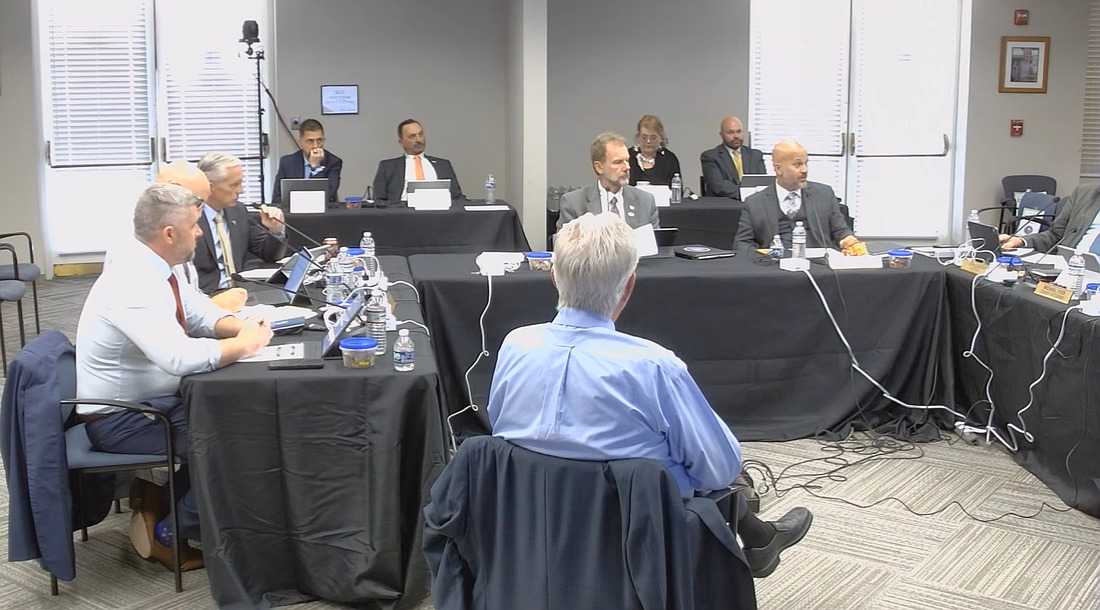
For protests that do not resolve informally, the expert represents the homeowner at a hearing before the ARB. They speak calmly and show photos of any home defects, like foundation cracks or old plumbing.
The expert explains exactly where the appraisal district went wrong using simple language and numbered exhibits.
Many boards approve reductions on the spot when a professional presents organized, truthful evidence.
Know When to Move to Binding Arbitration
If the ARB denies the protest, a property tax expert may recommend binding arbitration as a final step.
This process uses a neutral third party who reviews the case outside the formal court system.
The expert files for arbitration through the Texas Comptroller’s office, which costs a small fee that the district pays if the homeowner wins.
Arbitration works well for clear errors like a two-thousand-square-foot home assessed as two thousand five hundred square feet.
Homeowners rarely need to step inside a courtroom at any point.
Property tax experts give Texas homeowners a real advantage when assessment errors appear on a tax bill.
Many families save hundreds or even thousands of dollars each year just by asking for a second look.
Working with an expert turns a confusing appeal into a straightforward fix for an overvalued home.
