

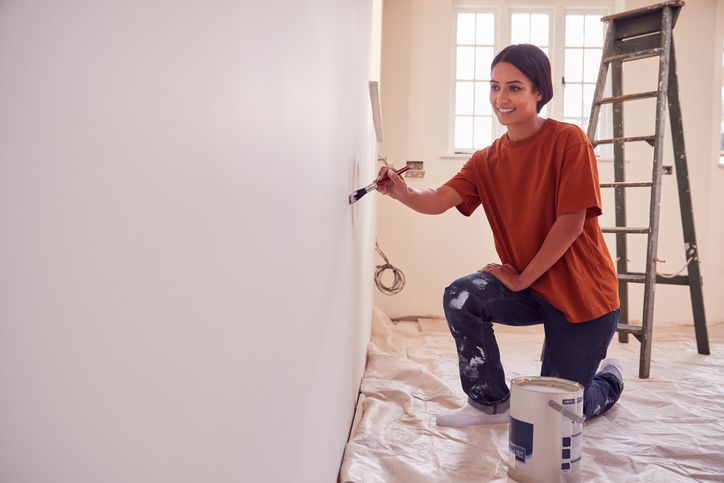
Home improvement sounds bigger than it is. In Sarasota, people talk about upgrades like they’re huge commitments, but most of it starts small—fixing a hinge, repainting a wall that’s been ignored too long, swapping out a light that flickers.
You don’t need a grand plan. You need a place to begin, even if it’s slightly wrong. That’s fine.
Most beginners stall because they think they need the right tools first, or the full vision mapped out.
Not true. Start with what’s obvious. A loose cabinet. A draft near the window.
The small annoyances. Those are entry points.
And the house teaches you back. You fix one thing, you notice another. It piles up, but not in a bad way. More like momentum.
Tools matter, but less than people think. A basic kit—hammer, screwdriver set, tape measure—gets used more than expensive gear.
Power tools come later, maybe. Or not. Plenty gets done without them. People overbuy early; then tools sit untouched. Better to work, then buy when something blocks you.
Choosing Projects That Won’t Break You
Pick projects that end in a day, or close to it.
Painting a room works. Replacing a faucet, maybe. Tiling a whole bathroom—probably not first. You want a finish line you can see from the start. Otherwise, things stall.
Half-done work is common. Corners taped, paint never applied. It happens when the job was too big from the beginning.
Mistakes will happen. Paint drips. Cuts uneven. Something installed slightly off.
You live with it or redo it. Both fine. The idea that everything must look perfect—that’s what slows people down. Houses aren’t perfect anyway. They shift, settle, crack. Your work will too.
Somewhere along that process, you’ll start thinking about upgrades, not just fixes.
Doors, storage, structure changes.
Maybe even searching for the best overhead garage door in Sarasota because suddenly the old one feels loud, outdated, slightly unreliable. That’s how it grows—one repair leads to a replacement, then an improvement.
Budget Isn’t Just Money
People think budget equals cost. It doesn’t.
Time counts. Energy too. A cheap project that takes forever can drain more than an expensive quick fix. So balance matters.
Set limits early. Not rigid, just rough. If a project crosses a certain cost or time threshold, reconsider it. Maybe break it down. Or delay. Or skip entirely.
Not everything needs to be done now.
Materials vary more than expected. Paint, for example.
Cheap paint exists, but it often needs more coats.
More time. More frustration. Mid-range usually works best. Same with tools—too cheap breaks, too expensive sits unused. There’s a middle that makes sense.
Sometimes you’ll spend more fixing a mistake than doing it right the first time. That’s normal. It’s part of learning, not failure.
Learning While Doing, Not Before
There’s a gap between understanding and doing.
You can watch ten videos on installing shelves, still mess up the first attempt. Measurements off by a little, anchors placed wrong.
It’s fine. The second try improves. Third even better.
Hands learn faster than eyes.
And instructions aren’t always clear. Manuals skip steps.
Guides assume knowledge you don’t have. You fill in gaps as you go. Sometimes by guessing. Sometimes by undoing and trying again.
People often avoid electrical or plumbing tasks. Reasonable—those have risks. But basic work is manageable with caution.
Turning off power. Shutting water valves. Double-checking connections. You don’t need to jump into complex wiring immediately. Start small.
Confidence builds unevenly. One project feels easy, next feels impossible.
No clear progression. That’s normal too.
When to Stop and Call Someone
Not everything should be DIY. Structural changes, major electrical rewiring, anything involving permits—those can go wrong fast. Knowing when to stop is part of the skill.
Pride pushes people too far sometimes.
If something feels unclear in a dangerous way, pause. Get help. It’s not a failure. It’s part of maintaining the house responsibly.
Also, time matters again. If a job takes you weeks and disrupts daily life, hiring someone might be the better option. Not always cheaper, but sometimes smarter.
Keeping Momentum Without Burnout
Doing too much too fast leads to burnout. You start avoiding projects altogether. Better to space them out. One thing at a time. Finish, rest, then next.
There’s no deadline unless you create one.
Season matters too, especially in Sarasota. Heat changes how you work. Outdoor projects become harder midday. Paint dries faster, sometimes too fast.
Adjust timing. Early mornings, later evenings. Small shifts make work easier.
And sometimes, you pause for weeks. Nothing gets done. Then suddenly you fix three things in a weekend. Rhythm isn’t consistent.
That’s fine.
Ending Where You Didn’t Plan
You won’t end up with the house you imagined at the start.
It shifts as you go. Needs change. Ideas evolve. What mattered early becomes irrelevant later.
But the skill stays. That’s the real outcome.
You start knowing what things cost, how long they take, what can go wrong.
You recognize when something feels off. You trust your judgment more.
And the house—still imperfect, still needing work—feels more yours. Not because it’s finished. Because you’ve worked on it.
