

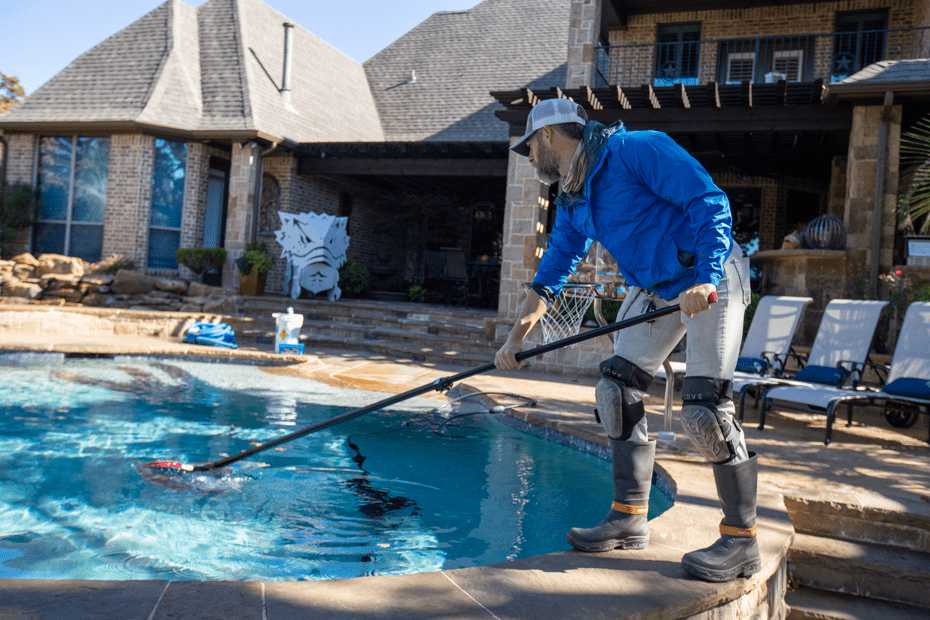
Houston’s warm climate makes owning a swimming pool a great way to relax and stay cool, but the city’s heat, humidity, and frequent rainfall can make keeping a pool clean more challenging.
These environmental factors can quickly affect water chemistry, equipment performance, and overall pool condition.
Following a consistent pool maintenance routine is essential for homeowners who want to keep their pools safe, clean, and ready to enjoy year-round.
Test and Balance Water Chemistry Regularly
One of the most important aspects of pool maintenance in Houston is maintaining balanced water chemistry.
High temperatures and strong sunlight can quickly reduce chlorine levels, which may allow bacteria and algae to grow.
Testing the water at least once or twice a week helps ensure the chemical levels remain within the proper range.
Maintaining balanced pH, chlorine, and alkalinity levels keeps the water safe for swimmers and protects the pool’s surfaces and equipment.
When chemical levels become unbalanced, problems such as cloudy water, irritation to skin and eyes, or damage to pool components may occur.
Regular testing and adjustments help prevent these issues before they become major problems.
Run Your Pool Pump Longer During Hot Weather
Houston’s heat can cause algae and bacteria to grow faster in pool water.
Running the pool pump for longer periods during the summer helps keep water circulating and prevents stagnant conditions where algae can thrive.
Good circulation also ensures that chemicals are distributed evenly throughout the pool.
Many experts recommend running the pump for at least 8 to 12 hours per day during peak summer months.
Consistent circulation is a key part of effective pool maintenance, as it keeps the water cleaner and helps filtration systems remove debris more efficiently.
Clean the Pool Frequently
Houston’s weather often brings wind, rain, and falling debris such as leaves and dirt into pools.
Regular cleaning is essential to prevent buildup that can affect water quality.
Skimming the surface daily and vacuuming the pool weekly can help remove debris before it sinks and creates problems.
Brushing the pool walls and steps is also an important part of pool maintenance.
This helps prevent algae from attaching to surfaces and keeps the pool looking clean and inviting. Regular cleaning reduces the workload on the filtration system and helps maintain clear water.
Monitor Water Levels After Heavy Rain
Houston is known for sudden storms and heavy rainfall.
Excess rainwater can dilute pool chemicals and disrupt the pool’s water balance. After a heavy storm, it’s important to check the water level and test the chemical balance.
Proper pool maintenance includes adjusting the water chemistry after rainfall and removing any debris that may have entered the pool.
Keeping the water level within the recommended range also ensures that the skimmer and filtration system continue to function properly.
Schedule Regular Equipment Inspections
Pool equipment such as pumps, filters, and heaters must work efficiently to keep the water clean. Houston’s heat and humidity can cause these systems to wear down over time.
Regular inspections help identify small problems before they turn into costly repairs.
Professional pool maintenance services can inspect equipment, clean filters, and ensure that all components are operating correctly.
Preventative maintenance helps extend the life of the pool system and ensures consistent performance throughout the year.
Keep Your Pool Ready Year-Round
Because Houston experiences warm temperatures for much of the year, many pools remain in use longer than in cooler climates.
Staying consistent with pool maintenance helps homeowners avoid unexpected issues and keeps the water safe and enjoyable.
By maintaining proper chemical balance, cleaning regularly, and monitoring equipment, homeowners can protect their investment and enjoy a beautiful pool no matter the season.
