

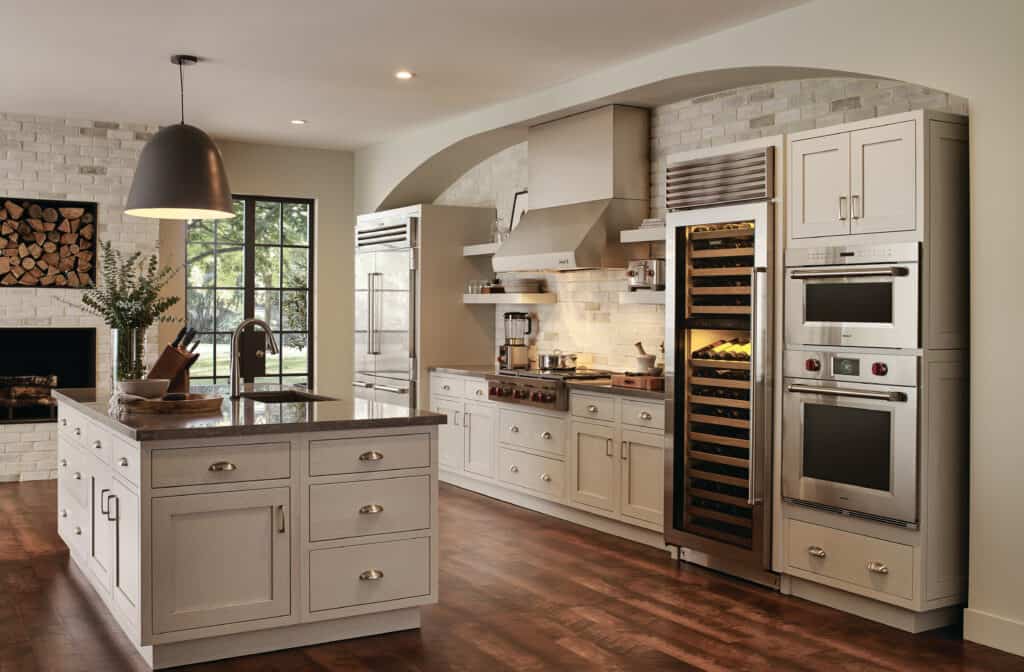
It’s hard to imagine a modern Filipino home without a refrigerator, electric fans, or a rice cooker.
These and other appliances play a big role in our daily routines, making our lives easier and more comfortable.
Over time, however, even the trustiest appliances may wear out, become less efficient, or no longer suit your needs.
Upgrading to something newer opens the door to better performance, energy savings, and even modern features that enhance convenience.
If an upgrade is in order, it helps to know what factors to weigh before heading to the store.
Here are the key things to consider when upgrading your home appliances.
Set a Practical Budget
Whether you’re buying big items like refrigerators and washing machines or smaller ones like electric fans and microwaves, appliances can vary widely in price.
Setting a clear budget ensures you don’t overspend or get tempted by unnecessary features or superficial luxuries.
If your budget falls short for a much-needed upgrade, you may consider getting a personal loan from a digital bank.
Compared to what traditional lenders offer, loans from digital banks like Maya typically have fewer requirements, faster approval times, and more flexible repayment options.
Whether you choose Maya Personal Loan for larger purchases or Maya Easy Credit for smaller loan amounts, you can enjoy lower rates and reasonable payment terms.
This makes them a practical choice for Filipino households that want to upgrade appliances without draining their savings or waiting through lengthy loan processes.
Be Clear About Your Reason for the Upgrade
Before upgrading, ask yourself why you need a new appliance.
Is your rice cooker starting to burn food, or is your old refrigerator consuming too much electricity? Some households upgrade to accommodate bigger families, while others do so to take advantage of new developments like air fryers or energy-saving inverter technology.
Having a clear reason helps you avoid impulse buys and ensures the purchase truly improves your household’s efficiency and comfort.
Match with Your Lifestyle and Functionality
Every family has unique needs, and appliances should match your daily routines.
A large oven or high-capacity washing machine may be ideal for a big household, but a compact microwave or single-burner induction cooker might be more practical for individuals or condo dwellers.
When considering functionality, think about how often you’ll actually use the appliance.
For example, if you rarely bake, a full-sized oven might not be as useful as a smaller, combination air fryer and toaster oven.
Try to choose appliances that already align with your lifestyle to ensure you’re getting the most out of your investment.
Ensure Proper Space and Placement
Space is also a common concern in Filipino homes, especially in condominiums, apartments, or smaller houses.
Before upgrading, measure the area where the appliance will be placed, including enough clearance for ventilation and accessibility.
For large appliances like refrigerators or washing machines, check doorways, hallways, and stairs to ensure smooth delivery.
Even with units like coffee makers or blenders, you’ll need to consider available counter space or storage, as even a small appliance can quickly consume valuable prep area.
Make sure every appliance you get has a “home,” as buying a bulky unit with nowhere to place it may inconvenience you for years to come.
Look for Energy-Saving Options
Electricity rates in the Philippines are among the highest in Asia, making energy-efficient appliances a no-brainer for big savings.
For larger units like refrigerators, air conditioners, and washing machines, check for Philippine Energy Label Program (PELP) ratings and look for energy-efficient inverter models.
For smaller appliances like kettles, irons, or induction cookers, look for specs and reviews that indicate low standby power consumption, fast heating times, or other energy-saving features.
Verify Warranty Coverage and Service Support
Even with trusted brands, there’s always the risk of getting a lemon. For that reason, any new appliances should come with reliable warranty coverage.
Big-ticket items often include 1- to 10-year warranties on parts like compressors or motors, while smaller appliances may have shorter coverage.
It’s worth checking if the brand has authorized service centers in your area as well.
Explore Smart Technology Options
Smart technology isn’t just for large appliances anymore.
Today, you can find smart rice cookers, robot vacuum cleaners, and even air purifiers with Wi-Fi connectivity.
These allow you to control or monitor usage through mobile apps, which can be convenient for busy households.
However, not every smart feature is necessary.
In some cases, they just increase the complexity and potential fragility of the product without providing any real value in return.
That said, consider whether the technology adds real value to your lifestyle or if a more traditional appliance can do the job just as well at a lower cost.
Consider Brand Reputation
Appliances from well-established brands may have better durability, consistent performance, and stronger after-sales support.
However, this is not universally true.
Reading reviews from other buyers on e-commerce sites or asking for recommendations from friends and family can help you avoid products that depend on a brand’s past glories but don’t perform well in regular use.
Every Home Upgrade Deserves a Second Thought
A home appliance upgrade is more than just replacing old machines.
It’s about creating an intentional lifestyle that saves you time and supports your household’s comfort every day.
Taking even just a few minutes to consider your choice will allow you to enjoy better functionality, improved energy efficiency, and even the joy of modern features for many years to follow.
