

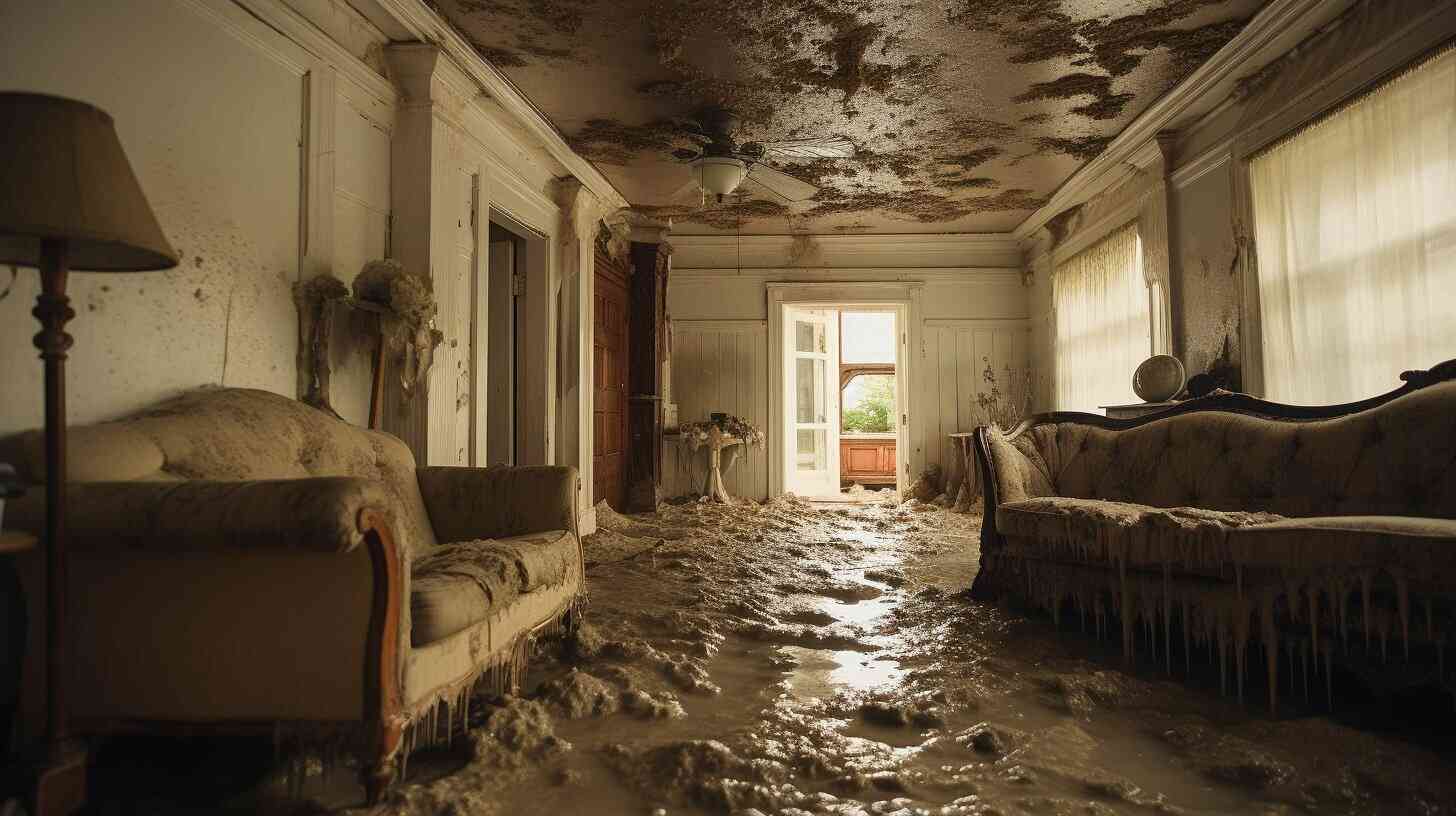
Okay so water just got into your home.
Maybe a pipe burst, maybe your washing machine decided today was the day maybe heavy rain found a way in through the basement.
Doesn’t really matter how it happened right now.
What matters is what you do next.
Because here’s the thing: water doesn’t wait around for you to figure things out, it spreads, it soaks , it seeps into places you can’t even see and the longer it sits the worse everything gets.
We’re talking mold structural damage ruined belongings insurance headaches.
So yeah the first 24 hours are critical.
Actually more than critical they’re everything.
Act fast and you might save most of your stuff. Act slow and well you’re looking at a much bigger mess and a much bigger bill.
Let me walk you through exactly what to do step by step, no fluff just the stuff that actually matters.
10 Ways What To Do In The First 24 Hours After Water Gets Into Your Home
Alright, here’s your action plan.
Stop the Water at the Source Immediately
First thing first things stop the water.
If it’s still coming in you need to shut it down now.
Burst pipe? Turn off the main water valve. Usually it’s near your water meter, sometimes in the basement, sometimes outside near the foundation. Turn it clockwise until it stops.
Leaking appliance? Unplug it and turn off the water supply line behind it.
Roof leak? Well you can’t exactly turn off the rain but you can put buckets down and maybe get a tarp up there if it’s safe.
Sewage backup? Do not touch it, call a plumber immediately, that’s a whole different level of problem.
The point is stop more water from getting in because every gallon that comes in is another gallon you have to deal with.
Turn Off Electricity in Affected Areas
Water and electricity yeah that’s a combination you don’t want to mess with.
If the water is near outlets appliances or your electrical panel you need to cut the power.
Go to your main electrical panel and flip the breaker for the affected area.
If you have to walk through water to get to the panel don’t call an electrician or your utility company.
Standing water can conduct electricity and you could get shocked or worse.
I know you want to move fast but not at the expense of your safety.
Once the power is off then you can start dealing with the water without worrying about getting electrocuted.
Document Everything for Insurance
Okay before you start ripping up carpet and throwing stuff away stop for a second.
Your insurance company is going to want proof of what happened.
So grab your phone and start taking photos and videos of everything.
The water damages the source if you can see the affected rooms and the ruined items.
Take way more photos than you think you need because once you start cleaning up that evidence is gone.
Write down what happened to the date the time what you think caused it what you’ve done so far.
Check your insurance policy to see what’s covered. Water damage coverage varies a lot; some policies cover sudden pipe bursts but not slow leaks or flooding.
Call your insurance company as soon as possible, let them know what happened and ask what they need from you.
Some companies will send an adjuster out right away, others will give you the go-ahead to start cleanup.
Either way, document first, clean second.
Remove Standing Water as Fast as Possible
Now we get to the main event getting that water out.
Standing water is your enemy. It weakens floors soaks into walls and creates the perfect environment for mold which can start growing in 24 to 48 hours.
If there’s a lot of water like several inches you might need a pump you can rent a submersible pump from a hardware store or call a restoration company.
For smaller amounts a wet/dry vacuum works great just know you’ll be emptying it a lot.
Mop and bucket? Sure if that’s what you’ve got but it’s slow.
Towels and rags can soak up water from hard-to-reach spots.
The key is to work fast the faster you get the water out the less damage it does.
And don’t forget to dump the water outside or into a drain not back into your house obviously.
Move Furniture, Rugs, and Belongings to Dry Areas
While you’re removing water, start moving stuff out of the wet zone.
Furniture can soak up water like a sponge especially upholstered pieces wood furniture can warp and swell.
Lift furniture legs off wet carpet if you can’t move them yet put aluminum foil or wooden blocks under the legs to prevent staining and more water absorption.
Rugs should come up immediately, roll them up and take them outside to dry.
Electronics books, papers, photos, anything valuable or sentimental get them out of there.
Wet belongings need air circulation to dry properly so don’t just pile them in another room and spread them out.
Some stuff might be salvageable if you act fast but the longer it sits in water the less likely that becomes.
Start the Drying Process Immediately
Getting the standing water out is step one drying everything out is step two and it’s just as important.
Open windows and doors if the weather allows you to need air circulation.
Turn on fans lots of fans box fans ceiling fans oscillating fans point them at wet areas at walls and floors.
If you have dehumidifiers run them, these pull moisture out of the air and speed up drying significantly.
No dehumidifier? You can rent industrial ones from equipment rental places; they’re way more powerful than the little home ones.
Air conditioning can help too because it removes humidity from the air.
Heat can speed up evaporation so if it’s cool out turn up the thermostat a bit not too much though you don’t want to create a sauna.
The goal is to get everything bone dry within 24 to 48 hours if you can.
Remove Wet Carpets, Padding, and Rugs
Here’s something a lot of people don’t realize carpet padding is basically a giant sponge.
Once it gets soaked it holds water against your subfloor creating a perfect mold breeding ground.
If your carpet has been sitting in water for more than a few hours the padding probably needs to go.
You might be able to save the carpet itself if you dry it quickly but the padding almost always has to be replaced.
Pull up the carpet starting from a corner; it’s usually held down by tack strips along the edges.
Cut the padding into sections and haul it out.
Check the subfloor underneath if it’s wet you need to dry that too fans dehumidifiers the whole deal.
If the subfloor stays wet you’re looking at rot and mold problems down the line.
Yeah it’s a hassle yeah it’s expensive but it’s way cheaper than dealing with mold remediation or structural repairs later.
Check Walls, Baseboards, and Cabinets for Hidden Moisture
Water doesn’t just sit on top of floors it sneaks into walls behind baseboards inside cabinets under sinks.
You need to check these areas because hidden moisture is where mold loves to grow.
Pull off baseboards if you can. It lets air get to the bottom of the walls and helps them dry out.
Check inside cabinets, especially under sinks, empty them out and check the back and bottom panels.
Drywall soaks up water from the bottom. If it’s wet more than a foot up the wall you might need to cut out the damaged section.
You can use a moisture meter to check walls and floors. These are pretty cheap and tell you exactly where moisture is hiding.
If you’re in Ohio and need professional help, a water damage restoration Columbus team can bring the right extraction and drying equipment and check for hidden moisture behind walls and under floors.
Don’t assume just because the surface feels dry that everything underneath is dry too.
Water hides and when it hides it causes problems.
Disinfect to Prevent Mold and Bacteria
Once you’ve got the water out and things are starting to dry you need to disinfect.
Water, especially if it comes from outside or from a pipe, brings bacteria and contaminants with it.
Mix a solution of bleach and water about one cup of bleach per gallon of water and wipe down hard surfaces.
Floors, walls, counters anywhere the water touched.
Wear gloves and make sure the area is well-ventilated; bleach fumes are no joke.
For wood surfaces you might want to use a wood-safe disinfectant instead bleach can damage or discolor wood.
This step helps prevent mold growth and kills bacteria that could make you sick.
Don’t skip it even if the water looks clean.
Call a Water Damage Restoration Professional if Needed
Look sometimes the damage is just too much to handle yourself.
If you’ve got water covering multiple rooms if it’s been sitting for hours if there’s sewage involved if you see mold already growing you need professional help.
Restoration companies have industrial equipment pumps, dehumidifiers, air movers, moisture meters, thermal imaging cameras, stuff you don’t have sitting in your garage.
They know how to dry out a house properly and they can spot problems you might miss.
Yeah it costs money but think of it this way would you rather pay for professional restoration now or pay for mold remediation and structural repairs later?
Most restoration companies work directly with insurance too so they can help you through that process.
If the damage is minor and you caught it fast you can probably handle it yourself.
But if you’re standing there looking at a flooded basement thinking this is way over my head trust that instinct and call someone.
When Water Shows Up You Don’t Get Much Time
So there you have it, your 24-hour action plan for when water invades your home.
Stop the source, cut the power document, remove the water, move your stuff, start drying, pull up wet carpet, check hidden areas, disinfect and call for help if you need it.
The clock starts ticking the moment water gets in.
Every hour you wait is another hour for water to soak deeper for mold to get a foothold for damage to spread.
But if you move fast if you follow these steps you can save yourself a ton of money and a ton of headaches.
Water damage is stressful no doubt about it but it’s not the end of the world.
You’ve got this, just take it one step at a time and don’t try to be a hero if the situation is beyond what you can handle.
Your home has been through worse probably and it’ll get through this too.
Now go check your main water valve so you know where it is before you actually need it.
