

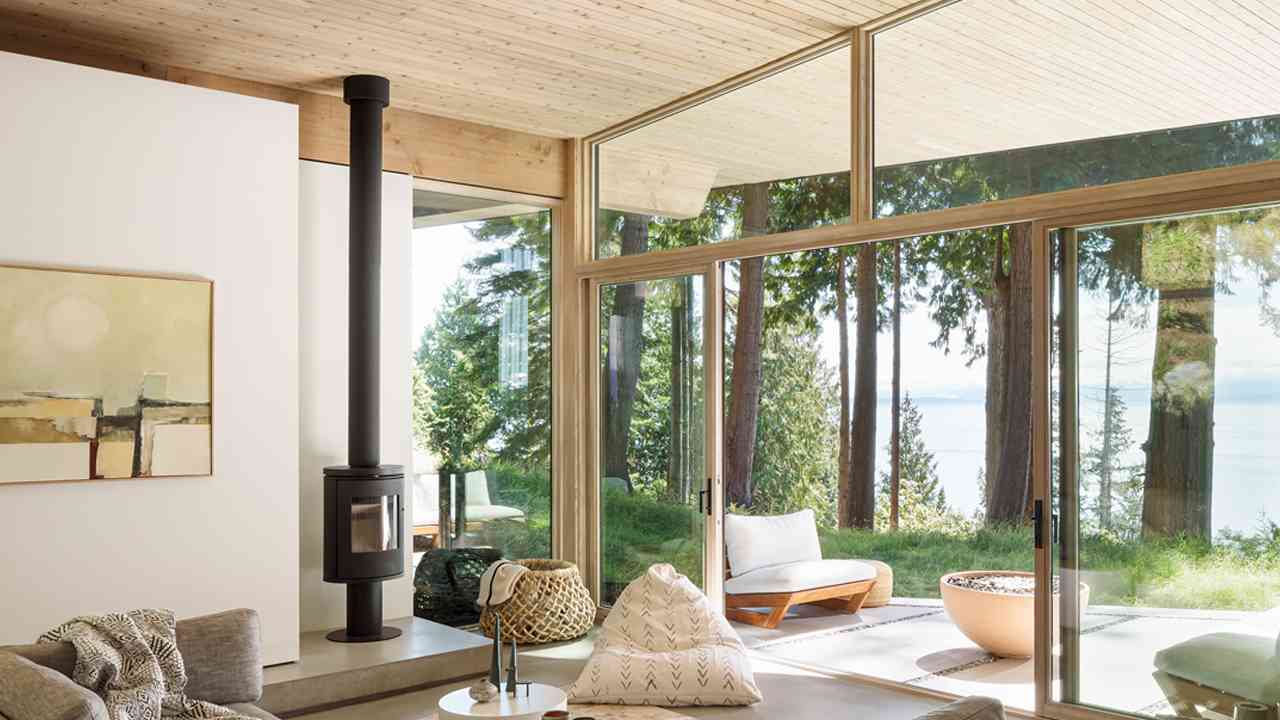
Homes are changing, but not in a loud, obvious way.
It’s more subtle than that. Rooms feel less closed off than they used to.
There’s more light, fewer heavy divisions, and a general sense that the indoors isn’t completely cut off from what’s outside.
That said, simply adding bigger windows doesn’t automatically fix anything. In a lot of cases, it creates new problems, such as rooms that overheat, corners that feel drafty, or spaces that look good but aren’t that comfortable to sit in for long.
Windows: It’s Not Just About Size
When done properly, a window may drastically change the atmosphere of a space.
Natural light does more than brighten a space.
It changes how usable that space feels during the day.
A darker room tends to get ignored, while a well-lit one naturally pulls people in.
At the same time, poorly insulated glazing cancels out those benefits quickly.
Too much direct sun can make a room uncomfortable, and weak insulation can make winters worse than they need to be. That’s why double or triple glazing has become more of a standard than an upgrade.
The Energy Saving Trust has pointed out repeatedly that improving window performance is one of the more practical ways to reduce heat loss without major renovation.
Even orientation matters more than most expect.
A window that looks great on paper can become a daily annoyance if it brings glare at the wrong time of day.
Doors Change How Space Is Used
Doors tend to be overlooked, but they’re doing more work now than they used to. Especially when they open up to a garden or patio.
Sliding or bi-fold doors aren’t just visual upgrades.
When opened fully, they change how a space functions.
A living room doesn’t feel like a separate zone anymore; it stretches outward.
That shift is noticeable in everyday use. Air moves better. Light spreads further. Even small areas start to feel less restricted.
Material choices come into play here, too.
Aluminium tends to suit cleaner, modern layouts. uPVC, on the other hand, is still widely used because it’s reliable and handles insulation well.
In more location-specific searches, options like uPVC windows Droitwich often come up for exactly that reason, they’re practical without being overly complicated.
Walls: Sometimes Less, Sometimes Just Smarter

Not every space needs walls removed. That’s usually where things go wrong: people assume openness means knocking everything down.
In reality, small adjustments tend to work better.
Slightly wider openings, internal glass panels, or even just rethinking how rooms connect can make a noticeable difference. Light travels differently when it’s not constantly blocked.
There’s also a technical side to it.
Modern wall construction has improved enough that insulation doesn’t have to be sacrificed for openness.
The UK Green Building Council has been pushing this idea for a while, for better performance without overcomplicating the structure.
Ventilation: The Thing People Notice Too Late
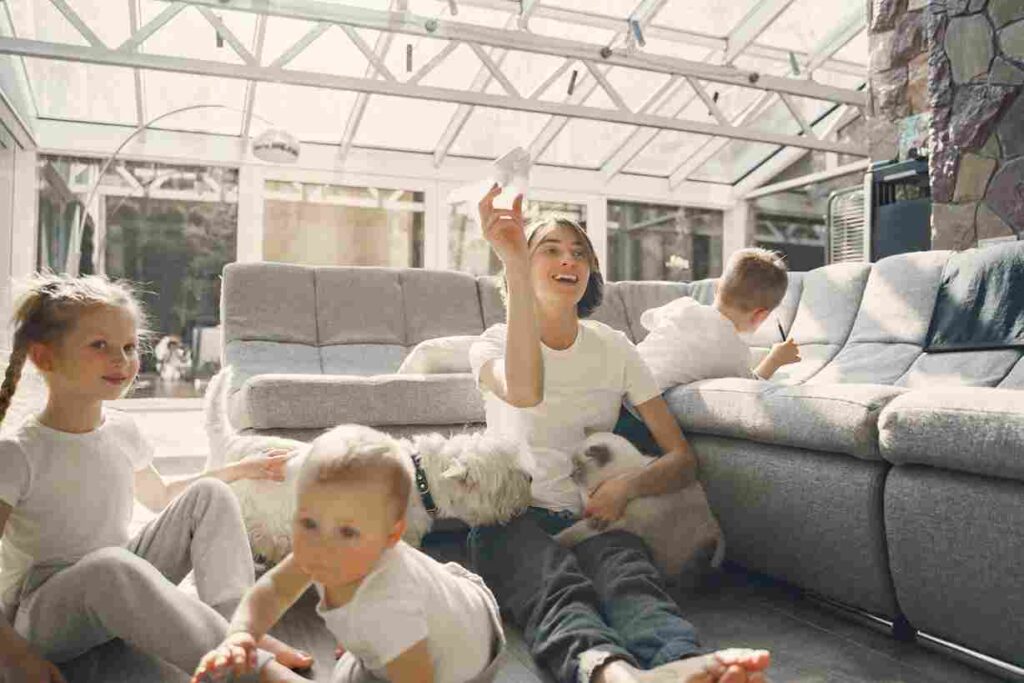
A space can look perfect and still feel wrong.
Usually, that comes down to airflow.
Even well-designed rooms become heavy in the absence of sufficient airflow.
Particularly in the vicinity of bigger glass portions, air becomes trapped, humidity increases, and condensation becomes a problem.
One of the easiest solutions is still cross-ventilation. Air may naturally pass through openings on opposing sides.
Smaller features that assist in maintaining ventilation without leaving everything open include tilt-and-turn windows and discrete vents.
Even a simple airflow design makes a big difference, but some homes are now including heat recovery systems as well.
It Only Works When Everything Connects
The idea of an open, airy home sounds straightforward.
In practice, it’s easy to get wrong. Too much glazing without insulation leads to discomfort.
Poor layout decisions create awkward light or airflow issues. And sometimes, in trying to make a space look modern, the actual usability gets overlooked.
What tends to work better is restraint.
Let each element, such as windows, doors, walls, and ventilation, do its job properly instead of overloading one area.
Why This Approach Sticks
There’s a reason this style of living is becoming more common. It’s not just visual preference.
Spaces that have natural light, decent airflow, and a connection to the outdoors tend to feel easier to live in. Less forced. Less tiring.
Final Thought
A well-designed home doesn’t draw attention to itself constantly.
It just feels right when sitting in it. Light comes in where it should.
Air moves without effort. Nothing feels too closed or too exposed.
That balance, more than any specific feature, is what makes the space work.
