

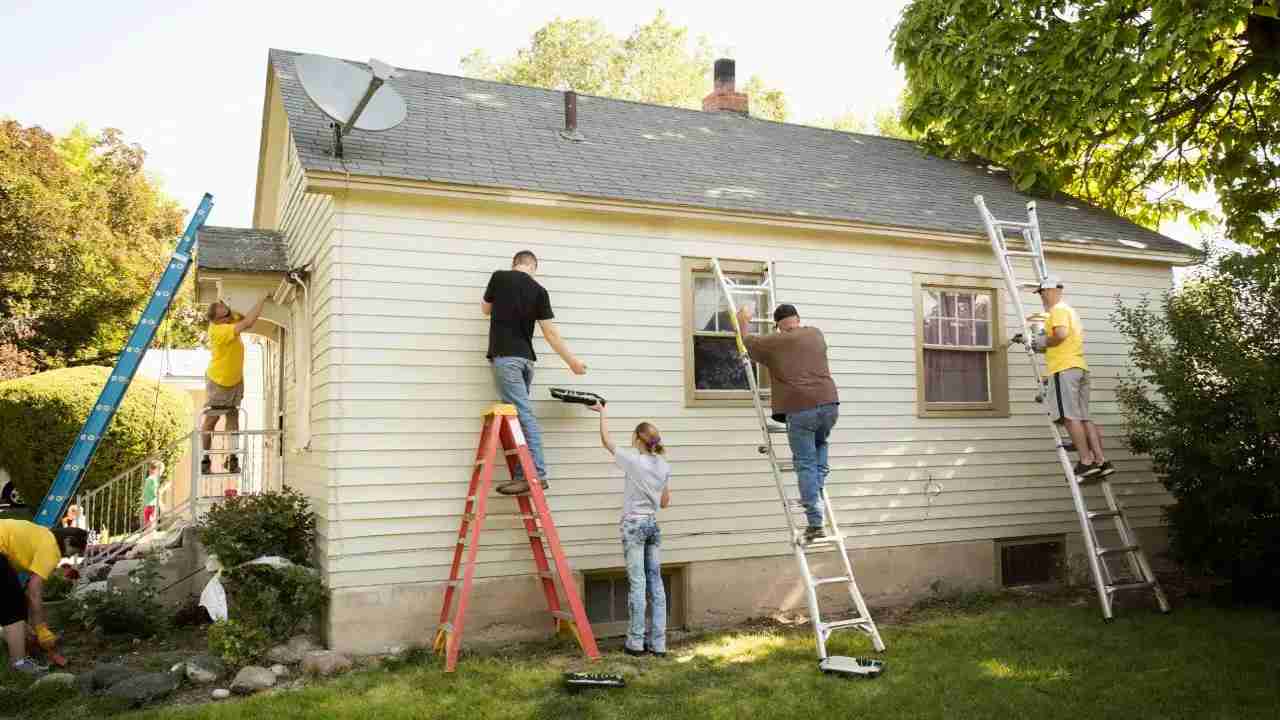
House flipping is a common real estate strategy in which an investor buys properties, renovates them, and then sells them to generate a profit.
In most cases, the homes are undervalued or distressed, allowing the new owner to add value and turn a quick profit.
The concept is straightforward, but even the most savvy investors can make mistakes along the way.
Here are some of the most common ones to avoid if you plan to flip houses in the near future:
Overdesigning the Property
Luxury finishes don’t always equal a higher sales price. In many cases, a minor kitchen remodel ROI is going to be higher than an expansive kitchen remodel ROI.
As tempting as it can be to move walls and include custom features and polarizing designs, stick with features and upgrades that appeal to the masses and are also cost-effective.
Otherwise, you risk unnecessarily cutting into your bottom line.
Underestimating Renovation Costs
What you see isn’t always what you get when viewing a house with the intention of buying to flip.
You might notice that it needs a fresh coat of paint and a few kitchen and bathroom updates, but that’s rarely the extent of the work.
As a result, it’s easy to underestimate renovation costs and very quickly blow out your budget.
Hidden plumbing, electrical, and foundation problems are among the most expensive issues in a home.
Materials and labor costs are also often higher than expected, especially regarding home systems. Once you set your budget, add a 10-20% contingency buffer.
Overpaying for a Property
When you love a property, it’s easy to make decisions with your heart, rather than your head.
However, when you’re trying to be a property flipper who makes money, emotional decisions can be counterproductive.
Stick to strict numbers when researching a property and walk away if the deal doesn’t make financial sense.
Otherwise, you risk overpaying and losing money, rather than making it.
Ignoring the Local Market
You can’t apply the same flipping rules to all properties.
What makes sense to upgrade in one property and neighborhood is counterproductive in another. That’s why it’s important to factor the local market into your renovation decisions.
Research comparable sales in the area to determine what houses are selling for in a similar condition to your own. It also doesn’t hurt to look at how long they take to sell.
This small volume of research can make a significant difference when setting a spending limit.
Not Performing a Thorough Inspection
When you become a seasoned flipper, it’s easy to get complacent and skip due diligence.
However, failing to conduct a thorough inspection of each property you intend to purchase can lead to spending far more than anticipated on remodeling.
If you’re not a construction industry professional, hire someone who is.
They can identify structural issues and assess the roof, cladding, HVAC, plumbing, and electrical systems.
The more thorough your inspection is, the easier it is to make an informed decision and set a renovation budget.
Choosing the Cheapest Contractors
Flipping houses is about making a profit, but it shouldn’t be at the expense of the finish.
If you intend to outsource work to contractors, conduct research to ensure you select the right contractors for the job.
This can mean not basing your decision on price.
Rather, choose your workforce based on experience, reliability, and references.
Choosing contractors charging the lowest rates can increase the risk of poor workmanship, delays, and rework.
Not Renovating for An Average Buyer
It’s all too easy to get into the habit of renovating properties to suit your own preferences and needs.
For example, instead of creating a large lawn, you might plant expansive gardens because you love gardening.
This can be a serious mistake, as not everyone shares the same passion and may decide not to buy a property because it’s too high-maintenance.
It’s crucial to shift your mindset when renovating a home for sale.
Focus on neutral colours and standard fixtures and fittings that would appeal to any homebuyer. Not only can this help a home sell faster, but it can also help keep your costs low.
Not Having An Exit Strategy
Plans can go awry. Not every property will end up being the money-maker you think it will be.
The market can also change, meaning that properties are worth less than they once were.
Having a plan in place for these and other situations is crucial.
This plan should include options for selling a property even in the face of market changes and other unexpected events.
Your exit strategy could include reducing the purchase price, refinancing, or renting it out until the market improves.
Ignoring Permit Requirements
You might be renovating a home to a high standard, but that doesn’t mean your city council or municipality agrees.
Before renovations begin, check whether you require any specific permits or have to comply with any rules.
Failure to do so could result in failed inspections or appraisal issues.
Sometimes, such issues can be identified by potential buyers during due diligence, leading to sales delays and even price negotiations.
Not Allowing for Taxes
Your job as a real estate investor may not fit into the 9-5 category, but that doesn’t mean you’re exempt from taxes.
In fact, there are several forms of tax you may need to pay, such as short-term capital gains tax and self-employment tax.
Most property flippers pay income tax up to 37% and self-employment tax on profits of 15.3%.
Taxes are also based on net profit, and renovation costs are deductible in the year of sale.
Since you’ll need to allow for taxes in your budget to ensure you’re still able to turn a profit, it’s worth discussing your investment plans with an accountant before proceeding.
Their advice can be pivotal for success.
