

A home feels easy or exhausting based on how well its utility spaces support daily rhythms.
These rooms handle the behind-the-scenes work that keeps everything running smoothly, yet many people overlook their influence on comfort and calm.
An efficient utility layout saves time, cuts stress, and helps every routine flow with less effort.
When these areas break down or feel cramped, the entire household carries that weight.
A thoughtful approach turns them into quiet problem-solvers that lift the day instead of draining it.
Understanding their role allows homeowners to shape spaces that strengthen convenience and make life feel lighter.
Utility Spaces Shape Daily Momentum
Utility spaces drive the rhythm of a household by reducing friction during common tasks. Laundry areas, mudrooms, pantries, and storage zones either speed up movement or slow everything down.
Clear pathways, reachable supplies, and dependable tools keep routines steady and predictable.
When these features work well, the household moves as a coordinated system rather than a series of scattered efforts.
Poorly designed areas force constant backtracking and improvisation, which builds frustration throughout the day.
Strong utility design creates momentum that supports comfort, order, and clarity in ways that other rooms cannot match.
Entry and Transition Zones Determine First Impressions
Entry points influence how every arrival and departure feels, and homeowners often underestimate their impact.
Smooth transitions depend on organized drop-zones, reliable lighting, sturdy flooring, and intuitive storage.
These details guide the body and mind from outdoor motion into indoor comfort without unnecessary delays or tension.
Many families improve these spaces with simple adjustments that streamline movement and reinforce a sense of readiness.
Tasks like garage door installation often become part of that process because dependable access reduces stress and supports daily flow. Thoughtful entry areas set a tone of ease before anyone moves deeper into the home.
Laundry Areas Affect Stress More Than People Expect
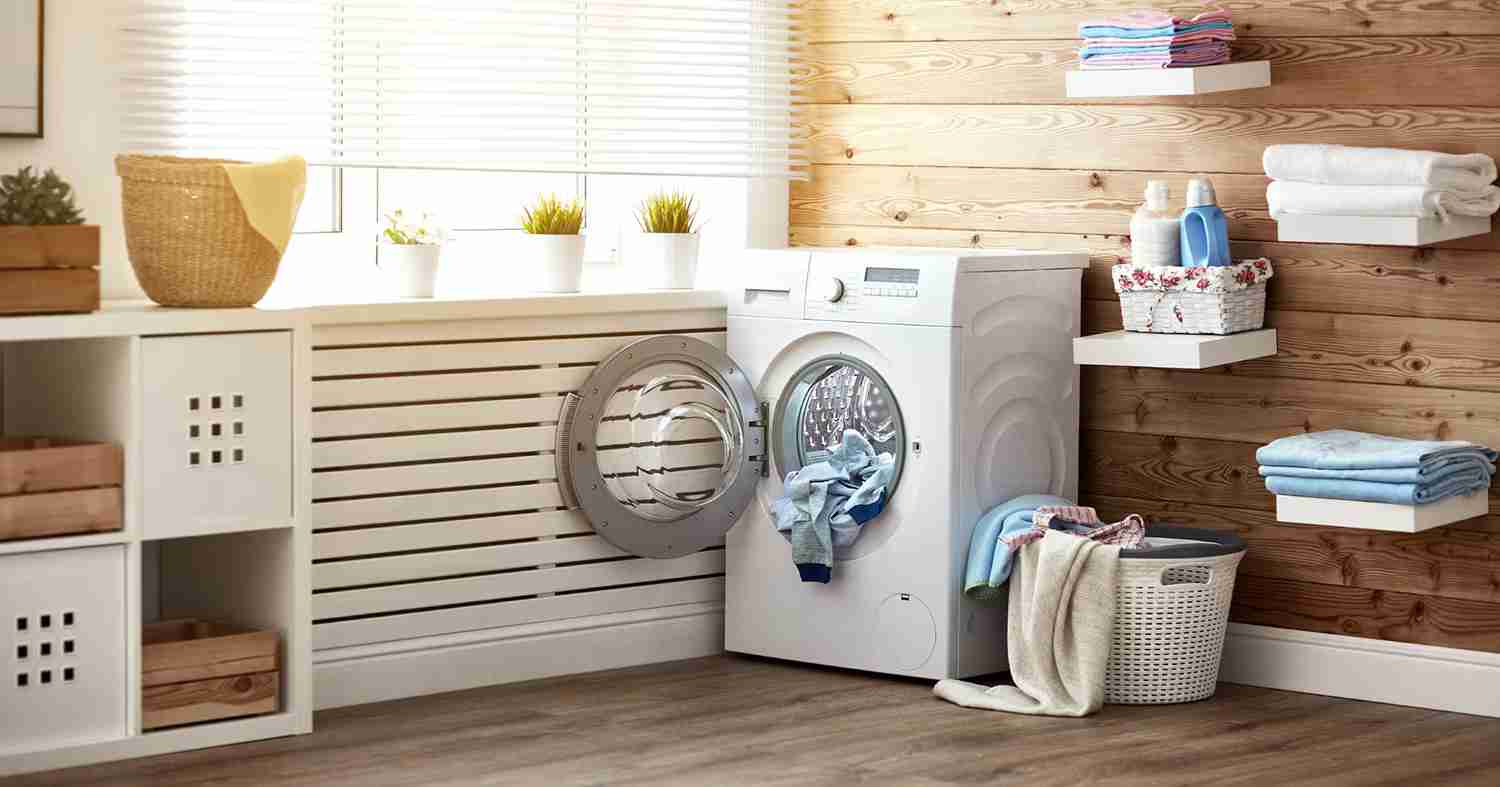
Laundry rooms shape household workload because they manage constant cycles of sorting, washing, drying, folding, and storing.
A cramped or disorganized setup demands repeated effort and creates visual clutter that quickly overwhelms busy families.
A generous workspace, logical zones, and sturdy surfaces limit that strain and help routines feel manageable.
When everything lines up correctly, the laundry room becomes a functional engine that clears mess before it spreads into living spaces.
Homeowners notice a clear difference in mood and energy when laundry tasks stop fighting the environment and start working with it.
Kitchen Support Spaces Strengthen Overall Efficiency
Pantries, utility closets, and secondary prep areas support kitchen activity by keeping essentials accessible and organized.
These zones reduce clutter, shorten cooking steps, and help families maintain healthier habits without extra effort. When food, tools, and cleaning supplies remain easy to reach, the kitchen stays ready for daily use instead of turning into a source of stress.
Strong support spaces also help people protect their counters and avoid constant rearranging. This steadiness encourages better focus during meals and routines.
A well-designed network of supporting spaces lifts the entire kitchen’s performance and improves the home’s overall flow.
Storage Layouts Decide Whether Order Lasts
Storage areas determine whether a home maintains clarity or repeatedly collapses into disorder.
Logical shelves, labeled bins, and reachable sections create patterns that everyone in the household can follow without strain.
When storage makes sense, items return to their places naturally and clutter loses its foothold. Disjointed or cramped layouts break that rhythm and push belongings into living areas, which quickly erodes comfort.
A storage plan that reflects real habits provides long-term relief from constant tidying and searching.
Effective systems help the home stay balanced, predictable, and easy to manage even during busy seasons.
Mudrooms Influence Cleanliness and Calm
Mudrooms filter the mess of daily life before it reaches the main living areas.
These zones manage shoes, coats, bags, sports gear, and outdoor debris, which protects the rest of the home from constant cleanup.
Hooks, benches, washable surfaces, and smart cubbies help families reset quickly after each outing.
When everything has a place, people move naturally through the routine without confusion or clutter.
A strong mudroom setup also encourages healthier habits because everyone knows where to store items the moment they enter.
This clarity keeps floors cleaner, reduces tension, and supports a home that feels consistently manageable.
Bathroom Utility Functions Support Real Comfort
Bathrooms handle high-traffic tasks that shape every morning and evening, so their utility features influence more than people realize.
Strong ventilation, organized storage, durable fixtures, and efficient cleaning tools help the room stay fresh and ready.
When these systems work smoothly, the day starts with stability rather than frustration. Families appreciate bathrooms that allow quick access to essentials without clutter dominating every surface.
A thoughtful layout also shortens cleaning time, which builds a sense of control.
These small advantages stack up and make the home feel more supportive, predictable, and genuinely comfortable living space .
Workspace Utilities Strengthen Productivity
Home offices and hobby rooms depend on utility features that protect focus and reduce wasted effort.
Clear cable paths, reliable lighting, practical shelving, and intentional layouts help people stay organized and motivated.
When tools stay reachable and surfaces remain open, productivity grows naturally.
A cluttered or poorly arranged workspace disrupts thinking and turns even simple tasks into draining experiences.
Strong utility planning gives each activity the stability it needs, which improves both creativity and efficiency.
This structure prevents burnout and helps the home support professional and personal goals with steady, repeatable comfort.
Climate and Maintenance Areas Shape Overall Ease
HVAC closets, water-heater zones, and maintenance nooks influence long-term comfort and peace of mind.
Easy access to filters, valves, switches, and service points helps homeowners solve problems quickly instead of scrambling during stressful moments.
When these areas feel clean, labeled, and well-lit, maintenance turns into a manageable routine rather than a dreaded chore.
This confidence supports a calmer home environment because people trust their systems and understand how to handle basic upkeep.
Thoughtful design also protects equipment from damage, which preserves efficiency and reduces costly repairs.
Smooth maintenance spaces reinforce a sense of control throughout the home.
Utility spaces determine whether a home lifts energy or drains it.
These behind-the-scenes zones guide daily flow, protect order, and support routines that keep life moving smoothly.
When designed with clarity and intention, they reduce stress and help every room function with purpose.
Strong utility planning turns effort into ease and transforms the entire living experience into something more grounded, manageable, and genuinely satisfying.
