

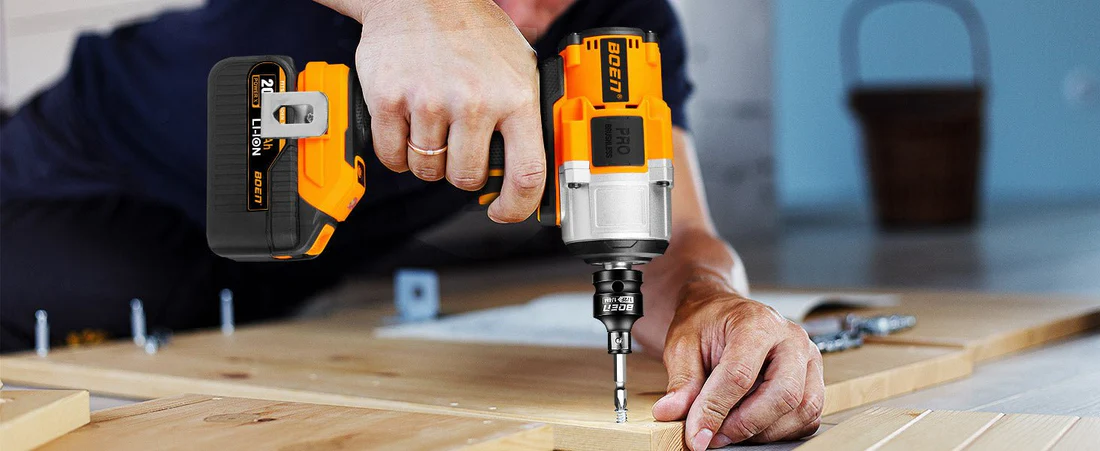
Impact socket sets take a beating on the job. These tools collect metal debris, grease, and rust that can damage them over time.
Without proper care, sockets wear out faster and may not fit correctly on drive heads.
The best way to clean impact sockets involves several methods that range from quick daily maintenance to deep cleaning treatments.
Regular care keeps these tools in good shape for years. Simple steps like brush cleaning and cloth wipes work for everyday dirt, while tougher buildup may need stronger solutions.
This guide covers different approaches to socket maintenance. Readers will learn about rust removal techniques, debris cleaning methods, and ways to protect sockets from future damage.
Each method serves a specific purpose based on how dirty the sockets are.
Apply a dedicated rust remover or soak sockets in a vinegar solution to clean off rust effectively
Durable impact sockets are built to withstand heavy use and resist wear, helping them maintain consistent performance over time.
With proper care and storage, these tools remain reliable even in demanding workshop conditions.
If surface rust develops due to exposure to moisture, it can be removed using simple restoration methods.
The first option uses a dedicated rust remover product designed for metal tools. These products work quickly and require less time than home solutions.
However, they often contain strong chemicals and should be handled with care.
The second method uses white vinegar, which contains acetic acid that dissolves rust naturally. Fill a container with equal parts white vinegar and water, then submerge the affected sockets for several hours or overnight.
For stubborn rust, add a tablespoon of salt to help speed up the process.
After soaking, scrub the sockets with a wire brush or abrasive pad to remove loosened residue. Rinse them thoroughly with clean water and dry each socket completely with a clean cloth to help maintain their durability and corrosion resistance.
Use a hard-bristled brush to remove metal debris inside and outside each socket after every use
A hard-bristled brush stands as the most effective tool for socket maintenance.
Metal shavings and debris collect in sockets after each use, and these particles can cause damage if left in place.
Users should scrub both the interior walls and exterior surfaces of each socket with the brush. The stiff bristles reach into the socket’s grooves and corners to dislodge stuck particles.
This process takes only a few seconds per socket but makes a real difference in performance.
For stubborn residue that the brush alone cannot remove, a cloth with anhydrous alcohol works well.
However, avoid any cleaners that contain corrosive chemicals, as these can harm the metal.
A small brush with firm bristles, such as a dedicated metal cleaning brush, provides the best results.
The key is to make this a habit after every work session rather than wait for visible buildup to appear.
Use ultrasonic cleaning machines to dislodge grease and dirt from every crevice without scrubbing
Ultrasonic cleaners use high-frequency sound waves to remove stubborn grime from impact sockets.
These machines create tiny bubbles in a liquid solution through a process called cavitation.
The bubbles reach into threads, corners, and other hard-to-access areas that traditional methods miss.
Users simply place their impact sockets in the cleaner’s tank with water or a mild cleaning solution.
The machine does all the work. The sound waves agitate the liquid at around 40,000 vibrations per second, which breaks up oil and dirt without any manual effort.
This method protects the socket’s finish and preserves its chrome plating.
The process also saves time since multiple sockets can be cleaned at once.
Most impact socket sets come clean in just 3 to 10 minutes, depending on how dirty they are.
Ultrasonic cleaners work well for both professional mechanics and home users who want thorough results without harsh chemicals or physical scrubbing.
Wipe down sockets, ratchets, and extensions with a clean cloth after use to prevent grease buildup
A quick wipe-down after each job keeps impact sockets in good shape.
Users should grab a clean, dry cloth or shop towel and clean off any dirt, oil, or grease from the surface.
This simple step takes less than a minute but prevents grime from hardening onto the metal.
The insides of sockets need attention too.
Debris can collect in the hex opening and affect how well the socket grips fasteners.
A cloth wrapped around a finger or small brush can reach these spots easily.
Extensions and ratchets benefit from the same treatment.
Grease and dirt can work into the ratchet mechanism and cause problems over time.
For stubborn spots, a cloth with a small amount of degreaser works well on metal tools.
Regular cleanups stop buildup before it starts. Tools that stay clean last longer and work better than ones left covered in workshop grime.
Lubricate socket interiors lightly to protect against wear and ensure smooth fit on drive heads
A light coat of oil keeps the interior of each socket in good condition.
Apply a small amount of machine oil to the square drive hole where the socket connects to the ratchet or impact wrench.
This prevents rust and protects the metal surfaces from damage.
The drive end needs attention because dirt builds up in this area over time.
A clean, lightly oiled interior helps the socket slide on and off the drive head smoothly. However, too much lubricant attracts dirt and grime, which creates more problems.
Use just a few drops of light machine oil after each cleaning.
Wipe away any excess with a clean cloth. The goal is a thin protective layer, not a heavy coating.
This simple step extends the life of both the sockets and the drive tools. It also maintains a secure connection between parts, which improves safety and accuracy.
Conclusion
A clean impact socket set works better and lasts longer. Regular maintenance prevents rust, removes metal debris, and keeps the tools in good condition.
After each use, mechanics should wipe down their sockets and use a hard-bristled brush to clear out metal particles from the drive ends.
For deeper cleaning, ultrasonic cleaners or simple solutions like degreaser and a brush restore sockets to like-new condition.
Proper storage in a dry place protects the tools from moisture and corrosion.
These simple steps help DIY enthusiasts and professionals get the most value from their impact socket sets for years to come.
