

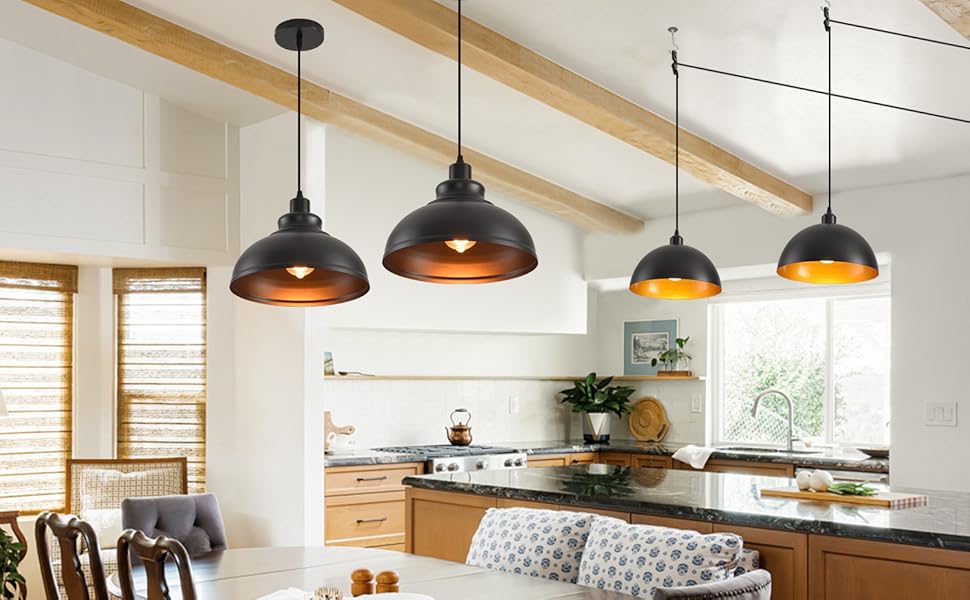
Bronze pendant lights carry a lasting appeal within traditional interiors.
These fixtures introduce warmth, depth, and a quiet sense of history into spaces that value balance and refined detail.
Their presence feels grounded instead of showy, which fits rooms shaped by classic architecture and carefully chosen furnishings.
When selected with intention, they elevate dining rooms, kitchens, and entryways without overpowering what surrounds them.
Design references such as bronze pendant lights from Visual Comfort for transitional and classic interiors frequently point to qualities that suit heritage-inspired homes.
These examples show how proportion, finish, and form come together in a way that feels unified.
A clear grasp of these elements makes the selection process feel steadier and more confident.
The Depth and Warmth of Bronze Finishes
Bronze stands apart because of its natural warmth and visual depth.
Unlike brighter metals, it offers a softer presence that pairs well with wood, stone, and classic textiles.
This quality makes bronze a strong choice for traditional rooms that lean toward comfort and richness.
Finish tone carries real weight. Very dark bronze can feel heavy within smaller rooms, while highly polished surfaces may read as modern.
Balanced finishes with gentle variation tend to feel most fitting.
These surfaces reflect light softly and avoid sharp contrast.
Patina introduces another layer of character.
Some bronze pendants feature an aged appearance that suggests time and careful craftsmanship.
This detail often enriches formal dining areas or traditional foyers where a sense of history feels right.
Scale and Proportion for Classic Rooms
Traditional spaces place importance on proportion.
Pendant lights should relate closely to ceiling height, furniture scale, and room width.
A fixture that feels oversized can dominate the room, while one too small may seem misplaced.
Ceiling height helps set expectations.
Taller ceilings support more substantial pendants with longer drops. Lower ceilings benefit from compact designs that preserve openness.
Dining rooms need particular care, since the fixture should align closely with the table size. Symmetry strengthens classic design values.
Centered placement above tables or islands supports balance. This sense of order allows traditional interiors to feel calm and intentional.
Shapes That Reflect Timeless Design
Form communicates style almost instantly.
Traditional interiors favor shapes rooted in history rather than sharp or abstract profiles.
Lantern styles, bell forms, and gently curved bowls feel familiar and composed.
Soft lines create visual ease. Decorative accents such as subtle ridges or classic finials add interest without excess.
These details often echo architectural elements found throughout traditional homes.
Glass selection influences both shape and atmosphere.
Clear glass delivers brightness and clarity, while seeded or lightly frosted glass adds texture. Both options work well, though textured glass often feels more suited to formal spaces.
Craftsmanship That Signals Quality
Well-made fixtures show care through their details. Traditional living spaces benefit from pendant lights that feel substantial and thoughtfully assembled.
Metal Construction Standards
- Clean joints without visible gaps
- Consistent finish across all components
- Weight that suggests durability
Glass and Shade Integrity
- Even thickness and smooth edges
- Secure placement within the frame
- Intentional texture rather than flaws
These qualities help the fixture remain visually strong over time. A pendant that feels balanced and sturdy builds quiet confidence within the space.
Light Quality and Room Atmosphere
Lighting defines mood.
Traditional interiors favor warm and inviting illumination instead of sharp brightness.
Bronze finishes naturally enhance warm light tones, which help create a sense of comfort.
Bulb selection supports this intention. Warm color temperatures soften shadows and highlight textures.
Diffused glass spreads light evenly and reduces glare, which suits dining and gathering spaces.
Layered lighting tends to work best. Pendant lights act as focal points while wall fixtures and table lamps support overall brightness.
This balance maintains elegance along with daily usability.
Longevity and Lasting Appeal
Traditional interiors value pieces that endure over time.
Bronze pendant lights offer longevity through historic use and adaptable style.
Classic forms resist trends and remain relevant across decades.
Quality materials strengthen this durability.
Well-crafted bronze develops character rather than wear. This evolution suits spaces that appreciate subtle aging and a sense of story. Maintenance stays manageable.
Bronze surfaces tend to age gracefully, reducing concern over constant upkeep. This trait makes them practical as well as visually rewarding.
Choosing bronze pendant lights for traditional spaces requires thoughtful consideration.
Finish tone, proportion, shape, and placement all shape the final result. When these elements align, the space feels balanced and refined.
Craftsmanship supports longevity, while warm light encourages comfort. Coordination with surrounding décor completes the look without excess.
Toward the end of the decision process, references such as bronze pendant lights from Visual Comfort for transitional and classic interiors help clarify expectations of quality.
A careful selection reinforces the timeless character that defines traditional homes.
