

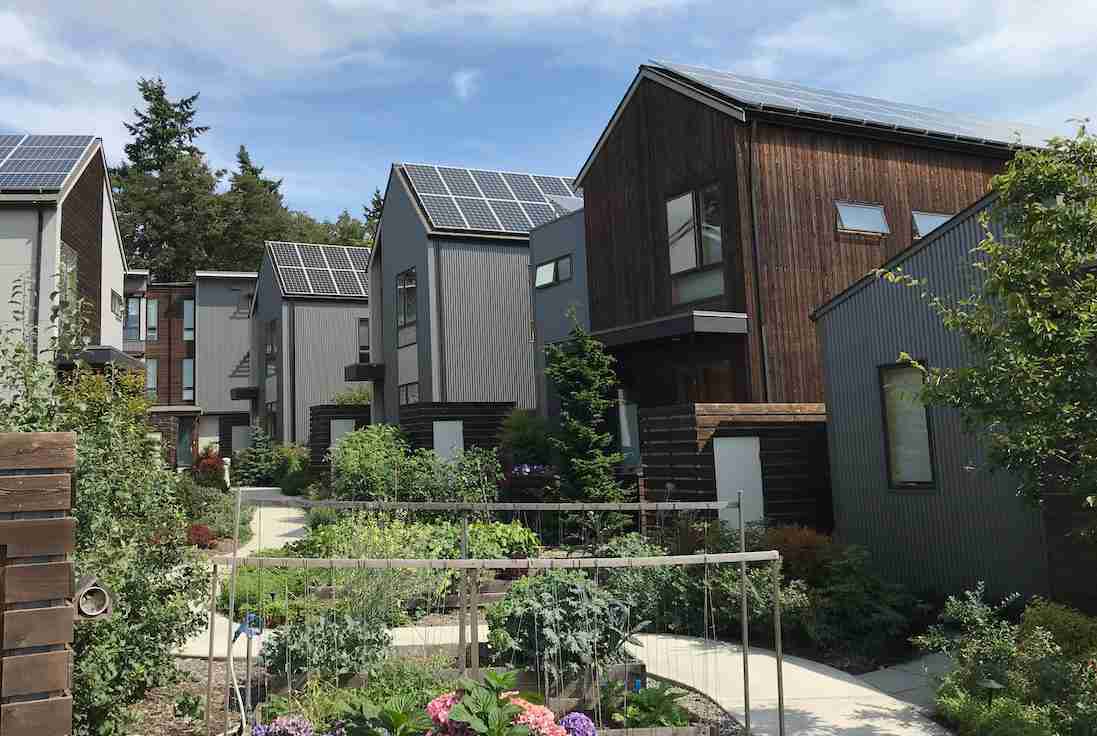
So you’re thinking about building a home. That’s exciting. But here’s the thing—where you build might matter just as much as what you build. And honestly? Growing communities are having a moment right now.
I’ve been writing about homes for over 15 years, and I’ve watched neighborhoods transform from empty lots to thriving communities.
Some turned out amazing. Others, well, not so much.
The difference usually comes down to what you knew going in versus what you wished someone had told you.
Today we’re going to talk through what actually happens when you build in a community that’s still developing. Not the glossy brochure version.
The real stuff. Because I want you to go into this with your eyes open, knowing what you’re getting into—the good parts and the parts that might make you pause.
Now, growing communities can mean different things.
Sometimes it’s a brand-new master-planned development.
Sometimes it’s an older area that’s suddenly getting attention.
Either way, you’re building in a place that’s still figuring itself out. And that comes with some really interesting opportunities.
Let’s break it down.
8 Ways Building A Home In A Growing Community Changes Everything
Look, I’m not going to tell you that building in a growing area is perfect for everyone. It’s not. But there are some real benefits that you just don’t get in established neighborhoods. And some of these might surprise you.
When I say growing community, I mean places where new construction is happening, where schools might be going up, where that empty corner lot is about to become something.
These areas have momentum. And if you time it right, that momentum can work really well for you.
Access to Modern Infrastructure and Amenities
Here’s something people don’t always think about upfront.
Newer communities get newer everything. The roads aren’t patched a hundred times.
The water systems are built with current standards. Internet infrastructure—which, let’s be real, matters more now than ever—tends to be way better in developing areas.
I’ve toured homes in older neighborhoods where the owners love the character, the trees, all of that. But then they mention their internet cuts out when it rains. Or the water pressure is just okay.
These aren’t dealbreakers for everyone, but they’re things you notice.
Growing communities usually have developers who are putting in infrastructure that meets today’s needs, not what was standard in 1975.
That means better utility systems, updated electrical grids, and often fiber optic lines already in the ground.
Also? The amenities get planned from the start. Walking trails, parks, maybe a community pool. In older neighborhoods, you get what’s already there.
In growing ones, these things are part of the plan. They’re building them as the community fills in.
Higher Property Value Appreciation
Okay, this is where it gets interesting for your wallet.
When you buy or build in an area that’s still developing, you’re getting in early. And historically, that can mean better appreciation over time.
Not always—nothing’s guaranteed—but the pattern shows up pretty consistently.
Think about it. You’re buying when prices reflect what the area is now, not what it will be in five years when there’s a new shopping center, better schools, and twice as many families.
For instance, when searching for homes for sale near Brookshire, TX, you will quickly see why the area is popular among those keen on investing for the long term
I’ve watched this happen in communities outside major cities.
People build when it’s still quiet, maybe a little inconvenient.
Then three years later, everything’s filled in and their home value jumped 20, 30, sometimes 40 percent.
But here’s the thing. This isn’t automatic. You need to look at the development plans for the area.
What’s coming? Who’s investing? Is there real momentum or just talk? Do your homework here because not every growing community actually grows.
Customization Opportunities for Your Dream Home
This might be my favorite part.
When you’re building in a developing community, builders are hungry for buyers.
They want to fill those lots. And that often means they’re more flexible than they would be in an established area where demand is already high.
I’ve seen people negotiate things they’d never get otherwise.
Upgraded countertops at builder cost. Different floor plan configurations.
Sometimes even structural changes if you catch them early enough in the process.
And it’s not just about negotiating. It’s about selection.
You get to pick your lot. You want the one that backs to the greenbelt? It’s probably still available. In established neighborhoods, you’re stuck with whatever’s for sale right now.
You’re also working with builders who are actively building, so they have crews and systems in place.
It’s not a one-off custom build situation where everything costs more and takes forever. You get customization but with some efficiency built in.
One couple I interviewed a few years back built in a developing area and got to adjust their floor plan to add a home office. This was pre-pandemic, but they worked from home and knew they needed the space.
The builder said yes because they were early in the phase. Six months later? They weren’t doing custom changes anymore.
Strong Sense of Community and Neighborhood Growth
There’s something about being in a place that’s new.
Everyone’s figuring it out together. You’re all moving in around the same time, dealing with the same construction noise, watching the same parks get built.
It creates this shared experience that can turn into real community bonds.
I’ve talked to so many people who built in growing areas and said their neighbors became close friends.
Not just wave-when-you-get-the-mail neighbors. Actual friends. Because you’re all in it together from the start.
Now, I used to think this was just nice marketing talk. But then I’d visit these neighborhoods and yeah, you could feel it. People knew each other. Kids played together.
There were community events that people actually showed up to.
Contrast that with established neighborhoods where everyone’s been there forever and has their routines already set.
It’s not that you can’t build community there, but you’re joining something existing rather than creating it.
That said. And this is important.
This same dynamic can backfire if the community doesn’t fill in.
If you’re one of ten families in a development that’s supposed to have 200 homes, and the builder goes under or sales stall? That’s lonely and frustrating. So again, check the developer’s track record.
Better Access to Schools, Healthcare, and Services
Growing communities often mean growing infrastructure. And that includes the stuff families really need.
New schools get built. Healthcare facilities open up nearby because there’s demand.
Grocery stores, gas stations, all of it follows the population.
When we looked at areas experiencing growth, we saw this pattern repeat: services arrive to meet the new residents.
Now, timing matters here. If you’re one of the first families in, you might be driving 20 minutes to the grocery store for the first year or two. But the trade-off is that when those services do arrive, they’re new.
Modern facilities, current equipment, fresh everything.
I talked to a family who built in a growing area outside Austin.
When they moved in, the closest elementary school was 15 minutes away.
Two years later, a brand-new school opened up literally across the street from their neighborhood.
Their kids got to be in the first classes in a state-of-the-art building.
Would they have gotten that in an established neighborhood? Probably not. They’d have older schools, which can be great for tradition and programs, but the facilities themselves might be showing their age.
Improved Lifestyle and Quality of Living
This one’s more subjective, but I keep hearing it.
People who build in growing communities talk about a quality of life thing that’s hard to pin down exactly.
Part of it is the newness. Everything works. Nothing needs fixing yet. Your HVAC is under warranty, your roof isn’t going to leak, your appliances are current models.
But it’s also about the design of newer communities.
They tend to be planned with lifestyle in mind. More open space. Better traffic flow. Sidewalks and bike lanes. The kinds of things that make daily living just a bit easier.
I compare it to how I feel in a brand-new hotel versus one that’s been around for decades.
The older one might have more character, but the new one just works better. Everything’s where you expect it, designed for how people actually live now.
And there’s something about being in a place that feels fresh. It’s hard to measure, but it affects your daily mood.
Coming home to a clean, new community just hits different than driving through an area that’s a bit rundown or stuck in a previous era.
Government Incentives and Development Benefits
Here’s something people miss.
Local governments want growing communities to succeed.
They’ve often approved tax incentives for developers, which can trickle down to you. Sometimes it’s property tax breaks for the first few years. Sometimes it’s utility connection fee waivers.
These aren’t advertised loudly, but they exist.
When I’ve dug into the details on new developments, I’ve found incentives that saved homeowners real money, especially in the first few years of ownership.
Also, municipalities invest in these areas because they want them to work.
They’ll upgrade roads, improve water treatment capacity, add police and fire coverage.
Not out of charity—they want the tax base—but the effect is that you benefit from public investment in making your area better.
Compare that to established areas where the infrastructure spending is mostly about maintenance, not improvement. Growing areas get the new stuff, the upgrades, the attention.
Future Job and Business Opportunities
This is the one that surprised me when I started tracking it.
Where new residential communities grow, commercial development follows. And that means jobs closer to home. Companies open offices, retail needs workers, services pop up.
If you’re building in a growing area, there’s a decent chance that your commute options improve over time.
I watched this happen outside Phoenix. Area was mostly empty. Then residential building started. Five years later, there were business parks, medical campuses, tech offices.
People who moved there thinking they’d commute into the city ended up finding work ten minutes from home.
And if you’re entrepreneurial? Growing communities need services.
Home repair, landscaping, cleaning, all of it.
I’ve met several people who started businesses serving their developing community and built successful companies because they were early.
There’s opportunity in growth. Not just for your home value, but for how you work and earn.
Conclusion
So that’s the situation with building in growing communities.
Is it right for everyone? No. If you need established infrastructure today, if you can’t deal with construction noise and some uncertainty, maybe stick with existing neighborhoods. That’s totally valid.
But if you can handle a bit of development chaos, if you’re thinking long-term, if you want to be part of building something rather than just moving into something finished? Growing communities offer things you just can’t get anywhere else.
The customization, the value appreciation potential, the community building, the modern infrastructure—these are real benefits.
Not marketing fluff. Real things that affect your daily life and your financial future.
Just go in knowing what you’re signing up for.
Research the developer. Understand the timeline. Know what’s actually planned versus what’s just hoped for. Ask questions. Visit multiple times at different times of day.
And remember, building a home is already a big decision.
Building in a growing community adds another layer. But for a lot of people, it ends up being exactly the right call.
Your home is more than where you sleep. It’s your base, your investment, your community.
Choose wisely, but don’t be afraid of areas that are still becoming what they will be.
Sometimes the best time to arrive is before everyone else figures out how good it’s going to be.
