

Spring always feels like a fresh start, especially around St. Louis when the weather begins to warm up and everything comes back to life. But it is not just plants and trees that become active.
Pests do too. As temperatures rise, insects and wildlife start looking for food, water, and shelter, and your home can easily become their target.
The good news is that a few simple repairs and checks can go a long way in keeping them out.
Getting ahead of the problem now can save you from bigger issues later in the season.
Plan for Seasonal Pest Treatments
Even with repairs and maintenance, seasonal treatments can add an extra layer of protection.
Spring is a great time to plan ahead for services that target common pests before they become a problem.
If you are looking for a certified pest control company St. Louis has a lot of options to choose from, and working with the right team early in the season can make a big difference.
They can help you stay ahead of common issues and guide you on what to expect as pest activity increases.
Mosquito, flea, and tick treatments are especially helpful as temperatures rise toward late spring.
Taking a proactive approach helps keep pest populations under control before they spread.
Seal Cracks and Gaps Around the Foundation
One of the easiest ways pests get inside is through small openings in your foundation.
Even tiny cracks can be enough for ants, brown recluse & wolf spiders, and termites to enter.
Walk around your home and look closely at the base of your walls, especially near pipes and vents.
Using caulk or sealant to close these gaps is a simple fix that makes a big difference.
It not only keeps pests out but also helps improve your home’s overall protection.
This is one of those small tasks that can prevent a lot of frustration later.
Fix Moisture Problems Inside and Outside the Home
Pests are drawn to moisture. Leaky pipes, clogged gutters, and standing water can all attract unwanted visitors.
Termites, mosquitoes, fleas, and even rodents are more likely to settle in areas where water is present.
Check for leaks under sinks, around appliances, and along your home’s exterior.
Make sure your gutters are clear, so water flows away from your house.
If water tends to collect near your foundation, consider improving drainage. Keeping things dry is one of the best ways to reduce pest activity.
Repair Damaged Wood and Trim
Damaged or rotting wood is an open invitation for pests, especially termites.
Areas like decks, window frames, siding, and door frames are common trouble spots.
When wood becomes soft, it is easier for pests to move in and start causing damage.
Take time to inspect these areas and repair or replace any weakened sections. Fresh, solid wood is much less appealing to pests and helps keep your home strong and secure.
Check Roof, Attic, and Eaves for Openings
Your roofline is another area that often gets overlooked.
Small openings in the roof, attic, or eaves can allow wildlife and insects to enter. Birds, squirrels, and even wasps may take advantage of these spaces.
Look for loose shingles, gaps around vents, and damaged soffits.
Sealing these areas helps prevent pests from finding a way inside. It also protects your home from weather damage at the same time.
Prepare Your Yard to Reduce Pest Activity
What happens outside your home can directly affect what happens inside.
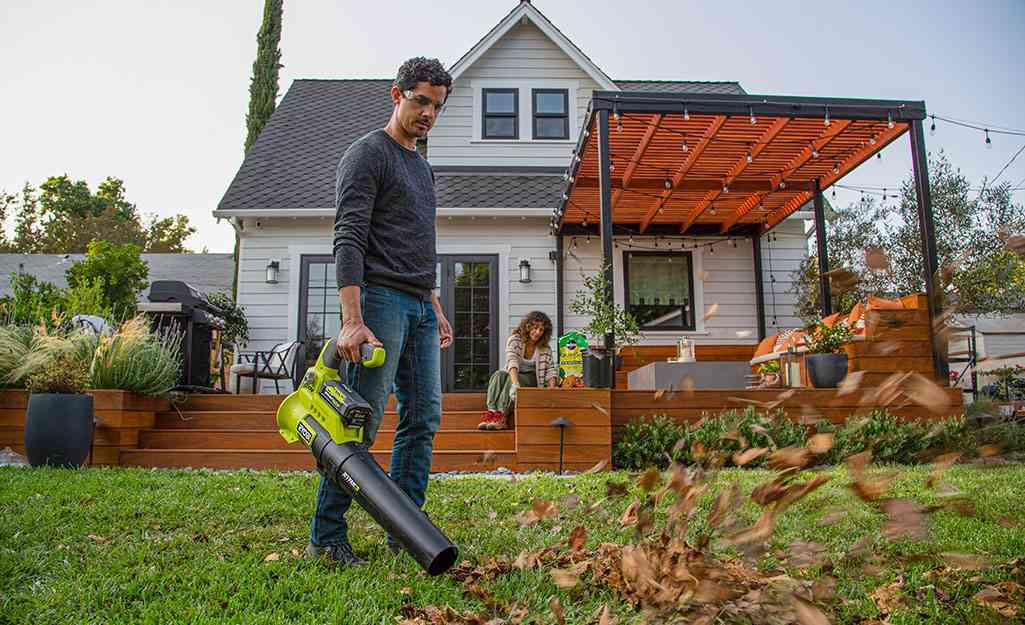
Overgrown bushes, piles of debris, and tall grass can create the perfect environment for pests.
Keep your lawn trimmed and remove any clutter from your yard.
Trim back plants that are too close to your home so pests have fewer places to hide.
It is also important to reduce standing water, especially as late spring approaches when mosquitoes, fleas, and ticks become more active.
Secure Doors, Windows, and Screens
Doors and windows are common entry points for pests, especially if they are not properly sealed.
Worn weather stripping or torn screens can allow insects to slip inside without much effort.
Check all entry points and replace anything that is damaged.
Make sure doors close tightly, and screens are in good condition. This is a quick and easy step that can make your home feel more comfortable right away.
Clean and Organize Storage Areas
Garages, basements, and sheds often become storage spaces where clutter builds up.
These areas can attract pests because they provide hiding spots and shelter.
Try to keep these spaces clean and organized. Store items in sealed containers and avoid leaving things directly on the floor.
When pests have fewer places to hide, they are less likely to stick around.
Spring is the perfect time to take care of these simple repairs and checks before pest activity reaches its peak.
By putting in a little effort now, you can enjoy a more comfortable and pest-free home throughout the warmer months.
Staying ahead of the problem is always easier than dealing with it later, and your home will be better protected because of it.
