

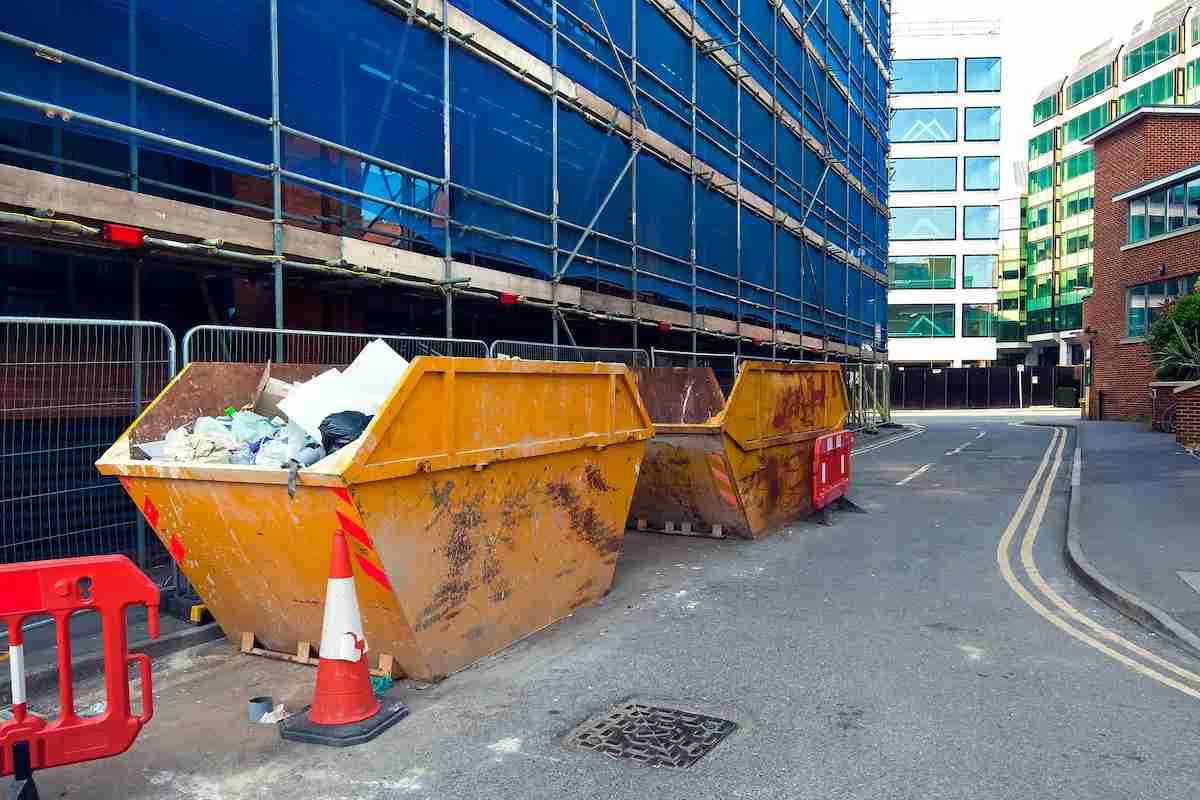
I’m going to be straight with you. Most people overcomplicate skip hire.
They panic, they call the first number they see, and then they wonder why they’re paying way more than they should or why their skip gets dropped in the worst possible spot.
My name’s not important, but what is important is that I’ve been writing about homes, renovations, and all the messy bits that come with them for over 15 years now. And skip hire? That’s one of those things nobody thinks about until they absolutely need it.
If you’re here, you probably have a pile of rubbish somewhere.
Maybe you’re clearing out a garage. Maybe you’re mid-renovation and the builder’s skip is overflowing. Maybe you just bought a property in Brentwood and realized the previous owner left half their life behind.
Whatever it is, you need this sorted. Fast.
How To Skip Hire In Brentwood: A Complete Guide for Homeowners and Businesses
Look, Brentwood’s a funny place for skip hire.
You’ve got residential streets where you can barely fit a car, let alone a massive skip.
You’ve got businesses on the high street that need regular waste clearance but can’t block customer access. And you’ve got those sprawling properties on the outskirts where people are doing full-scale renovations.
The thing is, skip hire isn’t rocket science, but it’s also not as simple as just “order a bin and fill it up.”
There are permits to think about. Weight limits. What you can actually throw in there. Where it goes.
And honestly? Most people find out they did it wrong after the skip’s already been delivered.
Why Skip Hire Is Popular in Brentwood
Brentwood’s booming. I mean, really booming.
Property prices keep climbing, which means people are renovating instead of moving. Makes sense, right? Why pay stamp duty when you can just gut the kitchen?
But here’s what happens. You start pulling out old cabinets, ripping up floors, clearing out years of accumulated stuff from the loft. And suddenly you’re standing in your driveway with nowhere to put it all.
Your regular bin? Forget it. The council won’t take half of this stuff, and even if they would, it would take months of weekly collections.
That’s where skips come in. One delivery, fill it up over a week or two, and it disappears. Done.
Businesses in Brentwood use them too. Shops, offices, construction sites.
Anyone generating more waste than a standard wheelie bin can handle. Which, if you’re doing anything beyond basic day-to-day operations, is most businesses.
Different Types of Skips Available
Okay, so skips come in sizes. And this is where people mess up right out of the gate.
You’ve got mini skips. These are tiny. Like 2-3 cubic yards.
Good for a small garden clearance or maybe a bathroom renovation. But that’s about it. If you’re clearing out a whole house? Don’t even bother.
Then there’s the midi skip. 4-5 cubic yards. This is your standard “I’m doing a decent-sized project” skip. Kitchen renovation. Clearing out a garage.
Moderate garden waste. Most homeowners end up here.
Builders skips are bigger. 6-8 cubic yards. These are what you see outside construction sites. If you’re doing multiple rooms or a significant renovation, this is probably what you need.
And then you’ve got the large skips. 10-16 cubic yards or even bigger. Commercial projects. Full house clearances. Major construction work.
Here’s the thing though. Bigger isn’t always better.
If you order too large, you’re wasting money. Too small? You’ll need a second one, which costs more than just getting the right size in the first place.
And I’ve seen this happen. Person orders a midi skip for a full loft clearance.
Runs out of space halfway through. Panics. Orders another. Spends 60% more than they needed to.
Don’t be that person.
What Can and Cannot Go in a Skip
This is huge. This is where people get fined or refused collection or charged extra fees.
You cannot put hazardous waste in a skip. Period. No asbestos, no chemicals, no paint cans that are still full, no batteries, no fluorescent tubes. These need specialist disposal.
You also can’t put in fridges and freezers. Or at least, not without telling the skip company first and usually paying extra. They contain gases that need special handling.
Electrical items are sometimes okay, sometimes not. Depends on the company. Ask first.
Mattresses? Some companies charge extra because they’re bulky and difficult to process.
What you can put in: general household waste, garden waste, wood, metal, bricks, concrete, plastics, cardboard, furniture (usually), carpets.
But here’s where it gets messy.
Mixed waste costs more to dispose of than separated waste.
Some companies will charge you more if you’re mixing everything together instead of, say, keeping all the garden waste in one skip and all the building rubble in another.
I’m not saying you need to sort everything perfectly. But if you’re doing a big project, it might be worth asking about separate skips for different waste types. Could save you money.
Choosing an established provider for skip hire in Brentwood means you benefit from proper Environment Agency registration, public liability insurance, and an in-house waste transfer facility.
That last bit matters because it means they’re handling your waste legally and responsibly.
You don’t want your rubbish ending up fly-tipped somewhere because you hired a dodgy operator.
The Skip Hire Process Explained
So how does this actually work?
You call a company. Or fill out a form online. You tell them what you need the skip for, how long you need it, and where you want it.
They give you a quote. This should include delivery, collection, and disposal. If it doesn’t, ask why not. Hidden fees are annoying.
You book a date. They deliver the skip. You fill it. They collect it.
Simple, right?
Except it’s not always that clean. Sometimes you need a permit.
If the skip’s going on a public road, you definitely need a permit from Brentwood Council.
The skip company might arrange this for you, but not always. And permits cost money. Usually around £30-60 for two weeks.
If you’re putting the skip on your driveway, no permit needed. But you need to make sure there’s actually space. And that the truck can access it. And that you’re not blocking your own car in for two weeks.
Some companies let you keep the skip for a week or two included in the price.
Others charge by the day after the first few days. Make sure you know which one you’re dealing with.
Best Locations to Place a Skip
This is trickier than it sounds. You’d think “just stick it in the driveway” would work, but that’s not always the best spot.
If you’re renovating, you want the skip as close to the work area as possible.
Carrying bags of rubble across your entire garden gets old fast. Trust me, I’ve watched people do this. By day three they’re exhausted and wondering why they didn’t think it through.
But you also need to think about access. The truck needs to get in to drop off and pick up.
If you’ve got a narrow driveway with cars parked on the street, that might not work.
And you need to think about what’s under the skip. They’re heavy. Really heavy.
If you’re putting it on grass, it’s going to leave marks. On a nice driveway? Some companies provide boards to protect the surface, some don’t. Ask.
If it has to go on the road, you need that permit I mentioned. And you need to make sure it’s not blocking traffic or creating a hazard.
Councils can and will remove skips that are causing problems, and you’ll still have to pay for them.
Oh, and lighting. If the skip’s on the road, it legally needs to have lights or reflectors at night. Most companies sort this automatically, but check.
Preparing for Skip Delivery
Alright, so you’ve booked your skip. Now what?
Clear the area. Sounds obvious, but people forget.
Move your cars. Move the bins. Move the plant pots. Make sure there’s a clear path for the truck.
Check overhead. Are there low-hanging branches? Power lines? The truck needs clearance, and so does the skip when they’re lifting it into place.
Let your neighbors know. Seriously. Don’t be that person.
A skip truck turning up at 7am and blocking Mrs. Jenkins’ driveway is not how you want to start your relationship with the street.
Have a plan for filling it. Are you starting the work the day the skip arrives? Or is it sitting empty for a few days? Because every day you have it is either costing you money or eating into your included hire period.
And think about weight distribution. You can’t just pile everything on one side.
It needs to be reasonably balanced, and it definitely can’t be overloaded. If it’s too heavy, they won’t take it. And you’ll have to pay for them to come back after you’ve removed some stuff.
Skip Hire for Businesses and Commercial Projects
Businesses have different needs. A shop doing a refit needs the skip gone quickly.
A construction site needs regular swaps. An office clearance is a one-time thing but potentially with confidential waste.
Commercial skip hire usually works on contracts. Weekly or monthly collections. Multiple skips. Different sizes for different waste streams.
And businesses have to be more careful about compliance. You need waste transfer notes. You need to know where your waste is going. You need proper documentation.
That in-house waste transfer facility I mentioned earlier? That matters even more for commercial clients. You need an audit trail. You need to prove you’re disposing of waste legally.
If you’re not, and the Environment Agency comes knocking, you’re the one getting fined.
Some industries have specific requirements. Construction waste has rules. Retail has rules. Food businesses have different rules again.
And timing matters more. A skip blocking your customer entrance all week isn’t acceptable.
You need reliable collection. You need a company that shows up when they say they will.
I’ve heard horror stories. Companies that just don’t turn up. Or turn up three days late. And if you’re a business, that’s not just annoying, it’s costing you money. Real money.
Conclusion
Look, skip hire isn’t complicated once you know what you’re doing. But going in blind? That’s how you end up paying more than you should, getting the wrong size, or having issues with collection.
Work out what size you actually need. Check what you can put in it. Get the location right.
Make sure you know about permits. Choose a company that’s actually registered and insured, not just the cheapest number on Google.
And ask questions. If something doesn’t make sense in the quote, ask. If you’re not sure about permits, ask. If you’re worried about access, ask.
Because the worst thing you can do is assume it’ll all work out and then find yourself with a skip you can’t fill properly, sitting in the wrong place, costing you money every extra day.
Get it right the first time. Your back will thank you.
Your wallet will thank you. And Mrs. Jenkins won’t be giving you dirty looks over the fence.
