
Close Menu
Corby Homes
  • Home Decor
    • Design Ideas
  • Gardening
  • Home Improvement
  • Celebrity House
  • Reviews

Subscribe to Updates

Get the latest creative news from FooBar about art, design and business.

What's Hot

Green Beneath: Eco-neutral Installations in Urban Centers

30 January 2026

Explore the Functions of Bi-fold Doors for Large Living Areas with Open Layouts

30 January 2026

From Playtime to Bedtime: Luxe Play Mats and Bedroom Rugs That Blend Beautifully

30 January 2026
Facebook X (Twitter) Instagram
Corby Homes
Subscribe
  • Home Decor
    • Design Ideas
  • Gardening
  • Home Improvement
  • Celebrity House
  • Reviews
Corby Homes
You are at:Home»Home Improvement»Green Beneath: Eco-neutral Installations in Urban Centers
Home Improvement

Green Beneath: Eco-neutral Installations in Urban Centers

Jane CorbyBy Jane Corby30 January 2026No Comments10 Mins Read
Facebook Twitter Pinterest LinkedIn Tumblr Email
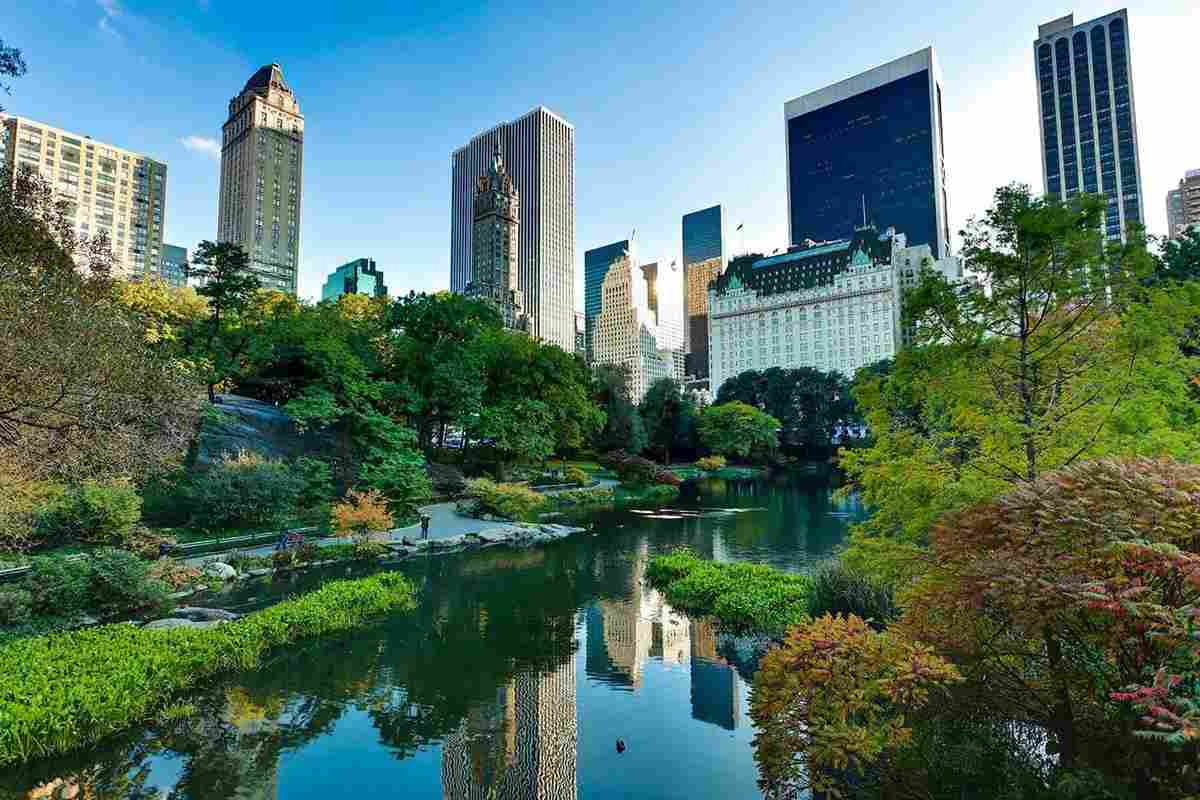
foreground-and-middle-ground-feature-lush-green-landscape-with-trees-shurbs-and-water
Share
Facebook Twitter Pinterest WhatsApp Email

So you’ve probably heard a lot about green roofs and vertical gardens climbing up skyscrapers, right? But here’s what most people miss—the real opportunity is underneath our feet.

Cities are dense. Space is tight. And we’re running out of room to grow food, filter water, and cool down our neighborhoods.

That’s exactly why urban planners and designers are now looking at what’s beneath the concrete.

I’ve been covering interior design and urban spaces for over fifteen years now, and I can tell you this shift toward underground green infrastructure is one of the most practical things I’ve seen. Not trendy. Just smart.

Today I’m walking you through what eco-neutral installations actually are, why they matter, and what mistakes cities are making when they try to install them. Let’s get into it.

Understanding Eco-Neutral Installations

Okay, so what does “eco-neutral” even mean?

It means the installation doesn’t take more from the environment than it gives back. It’s a balance. You’re not draining resources, you’re circulating them.

Think about it like this. A regular underground parking garage? That’s taking space, requiring ventilation, using energy. It’s a net negative for the environment.

But an underground water filtration system that also cools the buildings above it while growing root vegetables? That’s eco-neutral. Maybe even eco-positive if it’s designed right.

The push for eco-neutral installations starts with biophilic architecture. Here, nature indoors offers a feast for the senses.

These systems work because they’re hidden. They don’t compete for the limited surface area that cities desperately need for housing and businesses. And when done correctly, they can operate for decades with minimal maintenance.

Now I know what you’re probably thinking. Why go underground when we can just plant more trees on the street?

Well, you can do both. But underground systems have a few things going for them.

Temperature is stable year-round. They’re protected from vandalism. And they can be scaled up without changing the visual character of a neighborhood.

Types of Eco-Neutral Installations Beneath Cities

There are a few main types of underground green systems showing up in cities right now, and some are working better than others.

Subsurface Wetlands

These are my favorite. Basically, you dig out space under a plaza or park and create a wetland ecosystem that filters stormwater before it hits the sewer system. The plants and soil layers do the work.

Cities like Portland and Copenhagen are already running these. The water comes in dirty, sits in the wetland for a bit, and leaves cleaner. No chemicals. No machinery running 24/7.

Root-Zone Cooling Systems

This one’s clever. You plant large trees on the surface, but their root systems extend deep into underground chambers filled with recycled water.

The roots pull up moisture, the tree canopy cools the street, and the underground water temperature stays low because it’s insulated by soil.

I saw one of these in Melbourne a few years back and honestly it looked like any other street tree. But underneath? A whole network of irrigation and cooling.

Underground Composting Hubs

Some cities are now composting organic waste in temperature-controlled underground facilities.

The compost heats up naturally, and that heat gets captured and sent to nearby buildings.

Paris has been testing this. The compost facility sits under a community center, and the heat generated goes straight into the building’s heating system during winter.

Mycelium-Based Air Filtration

This is newer. Fungal networks grown in underground chambers can filter air pulled down from street level.

Mycelium is incredible at breaking down pollutants, and because it’s underground, it doesn’t take up any park space.

It’s still experimental, but cities in Japan and the Netherlands are piloting programs.

Environmental and Social Benefits

So why should you care? Let me break this down.

First off, water. Cities flood. A lot. And it’s getting worse.

Underground green systems soak up stormwater that would otherwise overwhelm drainage systems.

I’ve seen neighborhoods in Brooklyn where a single heavy rain used to flood basements.

After they installed subsurface wetlands under the local park? Problem mostly solved.

Second, heat. Urban heat islands are real and they kill people. Elderly folks, people without AC, they suffer.

When you cool a city from below using root systems and underground water reserves, you drop the surface temperature by a few degrees.

That might not sound like much, but during a heatwave it’s the difference between a hospital visit and staying home.

Third, air quality. Cities are dirty. Car exhaust, construction dust, all of it just hangs in the air.

Mycelium filters and plant-based underground systems scrub some of that out before it even reaches street level.

And then there’s the social piece. People actually like knowing their city is doing something smart with the space underneath them.

I’ve talked to residents in Seattle who take pride in the fact that their neighborhood park has a water filtration system running beneath it. It builds community identity.

Challenges in Implementing Eco-Neutral Installations

But let’s be real here. These systems aren’t easy to install, and a lot of cities are screwing it up.

Cost Overruns

This is the big one. Cities either spend way too little and build something that fails in two years, or they go overboard and build a system that costs three times what it should.

You’ve got to find the middle ground. I’ve seen municipalities cheap out on waterproofing, and then the whole system floods and becomes a liability.

On the flip side, I’ve seen cities hire celebrity architecture firms to design underground parks that cost tens of millions and serve maybe a few hundred people.

Know your budget. Build what you can afford to maintain.

Maintenance Access

If you bury something under a busy street, how do you fix it when it breaks?

A lot of early projects didn’t plan for this.

They built beautiful underground green systems and then realized they’d have to rip up half a block of pavement just to replace a valve.

You need access points. Manholes, service corridors, something. And those need to be built into the original design, not added later.

Soil Contamination

Cities have been around a long time. The soil under most urban centers is contaminated with lead, old fuel spills, industrial chemicals.

If you’re planning to grow anything underground, even if it’s just filtration plants, you need to test that soil first. Or bring in clean soil.

I’ve heard of projects in Detroit where they had to excavate and replace eight feet of contaminated dirt before they could even start building the green system.

It’s expensive, but if you skip it, you’re just circulating toxins.

Case Studies from Global Urban Centers

Let me walk you through a few real examples, because this stuff works when it’s done right.

Singapore’s Underground Farms

Singapore is tiny and imports most of its food. So they started growing vegetables in underground spaces near subway stations.

They use hydroponics, LED grow lights, and temperature control.

The farms are eco-neutral because they recycle water, use renewable energy, and produce food locally, cutting down on transportation emissions.

I visited one of these farms in 2019. It’s weird walking down into what looks like a parking garage and finding rows of bok choy and lettuce. But it works.

The produce goes to local markets within hours of harvest.

Barcelona’s Superblock Subsurface Gardens

Barcelona redesigned several neighborhoods into “superblocks” where cars are restricted. Underneath those superblocks, they installed root gardens and rainwater capture systems.

The streets above are cooler. Kids play in the plazas. And the underground systems handle stormwater that used to flood basements during heavy rains.

It’s not perfect. Some of the access panels are hard to open, and maintenance crews have complained. But overall, it’s a success.

Toronto’s Deep Lake Water Cooling

Toronto pulls cold water from the bottom of Lake Ontario and runs it through underground pipes to cool buildings downtown.

The water never touches the building systems directly—it just transfers cold through heat exchangers—and then gets returned to the lake.

It’s eco-neutral because it uses a natural temperature difference instead of running massive air conditioning units. And it’s been operating since 2004 with minimal issues.

The Future of Green Infrastructure Beneath Cities

So where is this going?

I think we’re going to see more hybrid systems. Instead of just one function—like cooling or water filtration—future underground installations will do three or four things at once.

Imagine an underground chamber that filters stormwater, grows mushrooms for local restaurants, and captures heat to warm a nearby school. That’s the direction we’re headed.

The technology is here. Sensors can monitor soil moisture, temperature, air quality, all in real time. AI can adjust water flow and ventilation automatically.

But the real challenge isn’t technology. It’s political will.

Digging up city streets is disruptive. It annoys businesses. It costs money upfront even though it saves money long-term.

Cities that get this right are the ones where leadership can explain the benefits to residents and actually follow through on the construction timeline.

Challenges of Implementing Underground Green Solutions

Yeah, I know I already talked about challenges. But there’s more.

Public perception is tricky. People don’t see underground systems, so they don’t value them the same way they value a new park or a bike lane.

That means it’s harder to get funding. Politicians want to cut ribbons on things voters can see. An underground wetland doesn’t make for great photo ops.

And then there’s the coordination problem. Installing these systems means working with multiple city departments—water, parks, transportation, utilities.

If those departments don’t talk to each other, the project stalls.

I covered a project in Austin that took seven years longer than planned because the parks department and the water utility couldn’t agree on who was responsible for maintenance.

The Future of Green Beneath Urban Development

Here’s what I think happens next.

More cities start requiring eco-neutral underground systems as part of new construction.

You want to build a high-rise? Fine, but you also have to install a subsurface water capture system.

We’ll see underground green infrastructure become as common as underground parking. Right now it’s a novel. In ten years, it’ll be standard.

And as climate change makes cities hotter and wetter, the pressure to build these systems will only increase. It’s not a matter of if, it’s when.

Conclusion

Look, I get it. Underground green systems aren’t sexy. They’re not as visually appealing as a rooftop garden or a green wall.

But they work. They solve real problems. They make cities cooler, cleaner, and more livable.

If you’re involved in urban planning, push for these. If you’re a resident, ask your city council what’s being done underground.

If you’re a developer, consider how you can incorporate eco-neutral systems into your projects.

The space is there. We’re already digging for subways, utilities, and basements. We might as well make that space work for us instead of against us.

Water is life, as they say. And in cities, water management is survival. The solutions are right beneath our feet.

Now go check with your local planning office and see what’s happening below ground in your neighborhood. You might be surprised.

Jane Corby
Jane Corby

Jane Corby is an experienced interior designer and the founder of Corby Homes, a leading home decor magazine. With over 10 years of experience in the industry, Jane knows about design aesthetics and a deep understanding of the latest trends. Over the time, she has worked as a freelance writer for TheSpruce, ArchitecturalDigest, HouseBeautiful, and RealHomes.

Related Posts

Explore the Functions of Bi-fold Doors for Large Living Areas with Open Layouts

By Jane Corby30 January 2026

From Playtime to Bedtime: Luxe Play Mats and Bedroom Rugs That Blend Beautifully

By Jane Corby30 January 2026

What to Expect During a Comprehensive HVAC Repair Visit

By Jane Corby23 January 2026

How to Choose Between Solid and Hollow Core Doors

By Jane Corby23 January 2026
Add A Comment
Leave A Reply Cancel Reply

Stay In Touch
  • Facebook
  • Twitter
  • Pinterest
  • Instagram
  • YouTube
  • Vimeo
Our Picks

Green Beneath: Eco-neutral Installations in Urban Centers

30 January 2026

Explore the Functions of Bi-fold Doors for Large Living Areas with Open Layouts

30 January 2026

From Playtime to Bedtime: Luxe Play Mats and Bedroom Rugs That Blend Beautifully

30 January 2026

What to Expect During a Comprehensive HVAC Repair Visit

23 January 2026

Subscribe to Updates

Get the latest creative news from SmartMag about art & design.

Don't Miss

Green Beneath: Eco-neutral Installations in Urban Centers

By Jane Corby30 January 2026

So you’ve probably heard a lot about green roofs and vertical gardens climbing up skyscrapers,…

Explore the Functions of Bi-fold Doors for Large Living Areas with Open Layouts

30 January 2026

From Playtime to Bedtime: Luxe Play Mats and Bedroom Rugs That Blend Beautifully

30 January 2026

What to Expect During a Comprehensive HVAC Repair Visit

23 January 2026
Our Picks

Green Beneath: Eco-neutral Installations in Urban Centers

By Jane Corby30 January 2026

Explore the Functions of Bi-fold Doors for Large Living Areas with Open Layouts

By Jane Corby30 January 2026

From Playtime to Bedtime: Luxe Play Mats and Bedroom Rugs That Blend Beautifully

By Jane Corby30 January 2026
About CorbyHomes

corbyhomes.com logo

CorbyHomes is a home decor and interior design platform that shares useful insights with the world. Our major focus is to inspire people to decorate their home, with budget friendly ideas

Latest Posts

Green Beneath: Eco-neutral Installations in Urban Centers

30 January 2026

Explore the Functions of Bi-fold Doors for Large Living Areas with Open Layouts

30 January 2026

From Playtime to Bedtime: Luxe Play Mats and Bedroom Rugs That Blend Beautifully

30 January 2026

Subscribe to Updates

Get the latest news from GossipMag about art, fashion and celebrities.

Facebook X (Twitter) Instagram Pinterest TikTok
  • About
  • Privacy Policy
  • Terms & Conditions
  • Contact
  • Editorial Policy
  • Write For Us
© 2026 CorbyHomes, All Rights Are Reserved.

Type above and press Enter to search. Press Esc to cancel.