

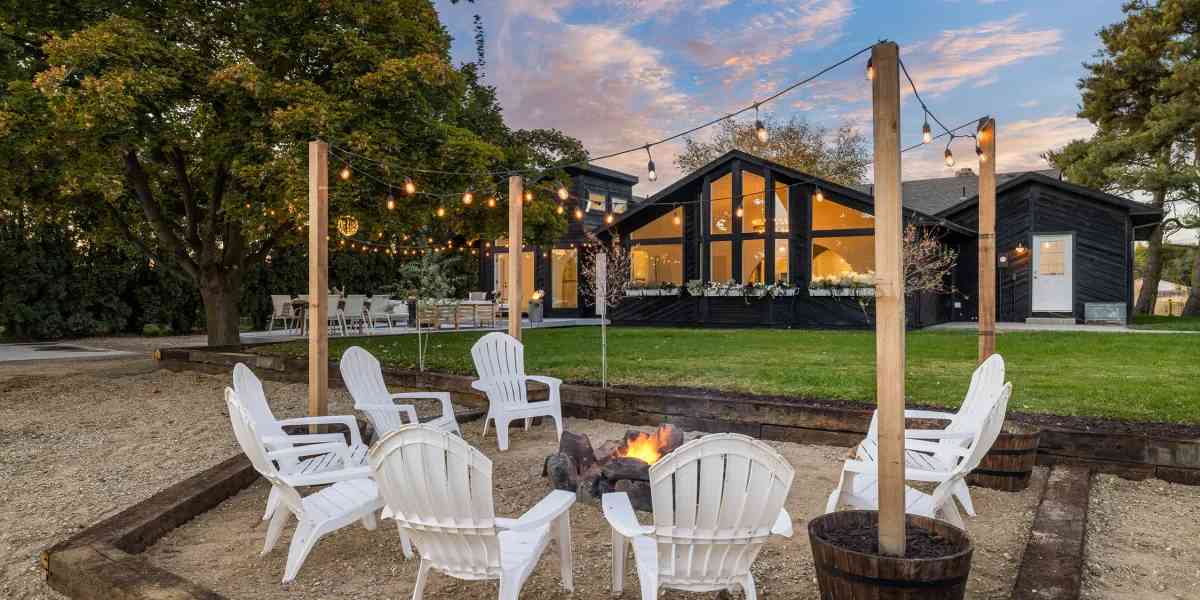
Many homeowners invest significant time and money into upgrading outdoor areas with comfortable furniture, lighting, outdoor kitchens, fire features, and decorative landscaping.
Inspiration usually comes from design magazines, social media, or beautifully staged backyard projects that promise a resort-like atmosphere right outside the door.
Yet excitement around the final look of an outdoor space can sometimes overshadow the practical decisions that determine how well the space actually functions day after day.
Layout choices, structural conditions, weather exposure, and maintenance requirements quietly shape the success of any outdoor upgrade.
Many outdoor projects run into problems that become noticeable only after everything is installed. Attention to potential pitfalls during the design phase often prevents costly changes later.
Ignoring Overhead Structural Problems
Outdoor upgrades often take place beneath rooflines, balconies, pergolas, or extended eaves connected to the house.
Homeowners frequently focus on the visible elements of a patio or deck, such as furniture, lighting, and landscaping, while overlooking the structural components above the space.
Gutters, roofing edges, flashing, and overhangs play an important role in protecting outdoor areas from water damage.
When roof drainage or structural wear goes unnoticed, the improvements placed below can suffer over time.
Water dripping from damaged roofing edges or misaligned gutters may stain surfaces, damage furniture, or weaken deck materials.
Roof inspection often receives less attention during backyard renovations, even though the condition of overhead structures directly affects the longevity of the outdoor space.
A well-designed patio may still experience recurring problems if water constantly flows from the roof into the area below.
In situations like this, consulting professionals such as Mr. Roofing before completing outdoor upgrades can help identify issues with drainage systems, flashing, or aging roof components.
Overcrowding Patios and Decks
Outdoor design inspiration often encourages homeowners to add numerous elements to a single patio or deck area.
Sectional seating, dining tables, fire pits, planters, outdoor bars, and decorative structures can all appear attractive individually.
When placed together in a limited space, however, they may quickly overwhelm the layout. Walkways between seating areas become narrow, movement around the space becomes awkward, and the patio can feel cluttered instead of inviting.
Overcrowding is one of the most common issues in outdoor living upgrades because it often happens gradually.
A comfortable outdoor area relies on open circulation just as much as it relies on furniture and decorative features.
Guests should be able to walk through the space easily, pull out chairs without obstruction, and move between different areas without weaving around planters or tables.
Outdoor areas benefit from thoughtful spacing that allows each feature to stand on its own without competing for attention.
Forgetting About Drainage
Hardscaping features such as stone patios, concrete walkways, and paver installations can transform an outdoor area into a polished and structured environment.
These surfaces provide stable seating areas and attractive transitions between different parts of the yard. Despite their visual appeal, paved surfaces significantly change how rainwater moves through a property.
Soil and grass naturally absorb water, but stone and concrete direct water across the surface.
Poor drainage may appear as standing water after rain, soil erosion near landscaped areas, or damp spots that linger long after a storm.
However, water accumulation can damage pavers, weaken soil beneath walkways, or create slippery conditions in frequently used areas.
Outdoor improvement plans should consider grading, slope direction, and drainage channels before installing paved surfaces.
Fire Features Without Ventilation
Fire pits and outdoor fireplaces have become popular additions to patios and backyard gathering spaces.
The warm glow of a fire creates a welcoming atmosphere for evening conversations and cool weather gatherings.
While these features offer a strong visual and social focal point, improper placement can create safety concerns or discomfort for guests.
Fire features require adequate clearance from seating areas, nearby plants, and structural surfaces such as walls or pergolas. Without enough space around the fire element, heat may damage surrounding materials or create unsafe conditions.
Ventilation and smoke direction also play an important role in how comfortable the space feels during use. Wind patterns and surrounding structures can influence how smoke travels across the patio.
If a fire feature sits too close to seating areas or enclosed corners, smoke may drift directly toward guests rather than rising and dispersing naturally.
Water Features Without Long-Term Maintenance
Water features often attract homeowners because of the calming sound and visual movement they bring to outdoor spaces.
Small fountains, ponds, or decorative streams can add a peaceful atmosphere to patios and garden areas.
During the planning stage, the focus usually centers on appearance and placement rather than the work required to keep the feature operating smoothly.
Pumps, filters, and circulating systems require occasional maintenance to keep water clear and mechanical parts functioning properly.
Without regular care, water features may develop algae buildup, clogged pumps, or reduced water circulation.
Maintenance considerations should become part of the design decision before installation.
Easy access to pumps and filters makes routine cleaning simpler and encourages regular upkeep.
Some homeowners choose smaller self-contained fountain designs that require minimal attention while still providing the sound of moving water.
Others install filtration systems that help maintain water clarity.
Overlooking Wind Exposure
Elevated decks and balconies offer attractive views and open-air gathering areas, yet their height often exposes them to stronger wind conditions than ground-level patios.
Wind patterns can influence how comfortable these spaces feel during everyday use. Lightweight furniture may shift across the deck, decorative items might topple over, and constant wind can make relaxation difficult.
Wind exposure is easy to overlook during the design stage because the location may feel calm during brief site visits or mild weather conditions.
Understanding how wind moves through the area helps guide design choices that maintain comfort. Heavier furniture pieces remain stable in breezy conditions, while secure planters prevent tipping.
Railings with partial solid panels can reduce direct wind flow without completely blocking views. Strategic placement of screens or landscaping elements can help soften airflow in certain areas of the deck.
Entertainment Areas Without Considering Sound
Outdoor entertainment spaces often include speakers, televisions, or areas intended for social gatherings. Music, conversation, and general activity can travel farther outdoors than many homeowners expect.
Without thoughtful planning, sound produced in one backyard may carry easily into neighboring properties, especially during evening hours when the surrounding environments become quieter.
Sound reflection from walls, fences, or nearby structures can amplify this effect.
A lively gathering space designed for entertainment may unintentionally create tension with neighbors if sound levels travel beyond the intended area.
Design strategies can help keep entertainment areas enjoyable without causing disturbances.
Speaker placement directed toward seating areas helps concentrate sound where it is needed rather than broadcasting it outward.
Landscaping features such as hedges or wooden fencing can soften the sound that travels across property lines.
Outdoor living improvements can transform a backyard into a comfortable and inviting extension of the home.
Thoughtful planning helps these spaces function smoothly through changing weather, daily use, and social gatherings.
Attention to structural conditions, layout choices, material durability, and maintenance requirements prevents many of the problems homeowners encounter after a project is completed.
