

San Diego summers are typically warm rather than extreme, with coastal areas often staying in the 70s–80s while inland areas can reach the 90s. Because of this, your air conditioner doesn’t need to run as aggressively as it would in hotter regions.
Setting your system correctly can keep your home comfortable without unnecessary energy use.
Many air conditioning companies recommend focusing on a few key adjustments that directly impact efficiency.
Recommended Thermostat Settings
For most homes, a thermostat setting of 78°F when you’re home is widely recommended for balancing comfort and energy use.
If that feels too warm, lowering it slightly is fine, but every degree lower increases energy consumption.
When you’re away, raising the temperature to around 82–85°F helps reduce runtime without letting your home heat up excessively.
This prevents your system from working harder than necessary when you return.
Avoid Constant Adjustments
A common mistake homeowners make is frequently changing the thermostat throughout the day. This doesn’t cool your home faster and can actually lead to more energy use.
Your AC works at the same speed regardless of the setting—it simply runs longer to reach a lower temperature.
Instead, set a consistent temperature or use a programmed schedule so your system runs more predictably and efficiently.
Use Fans to Improve Comfort
Ceiling and portable fans can help you feel cooler without lowering the thermostat.
They don’t reduce the actual temperature, but they improve air circulation and create a cooling effect on your skin.
Because of this, you can often increase your thermostat by a couple of degrees and still feel comfortable.
Just be sure to turn fans off when you leave the room, since they don’t cool empty spaces.
Limit Heat During the Day
Your AC has to work harder when extra heat is introduced inside your home.
Simple steps like closing blinds during peak sunlight hours, using blackout curtains, and avoiding heat-generating appliances (like ovens) during the hottest part of the day can make a noticeable difference.
These adjustments reduce the load on your system and help maintain a steady indoor temperature.
Keep Your System Maintained
Even with ideal settings, an inefficient system will struggle to cool properly.
A clogged air filter or dirty components can restrict airflow and reduce performance.
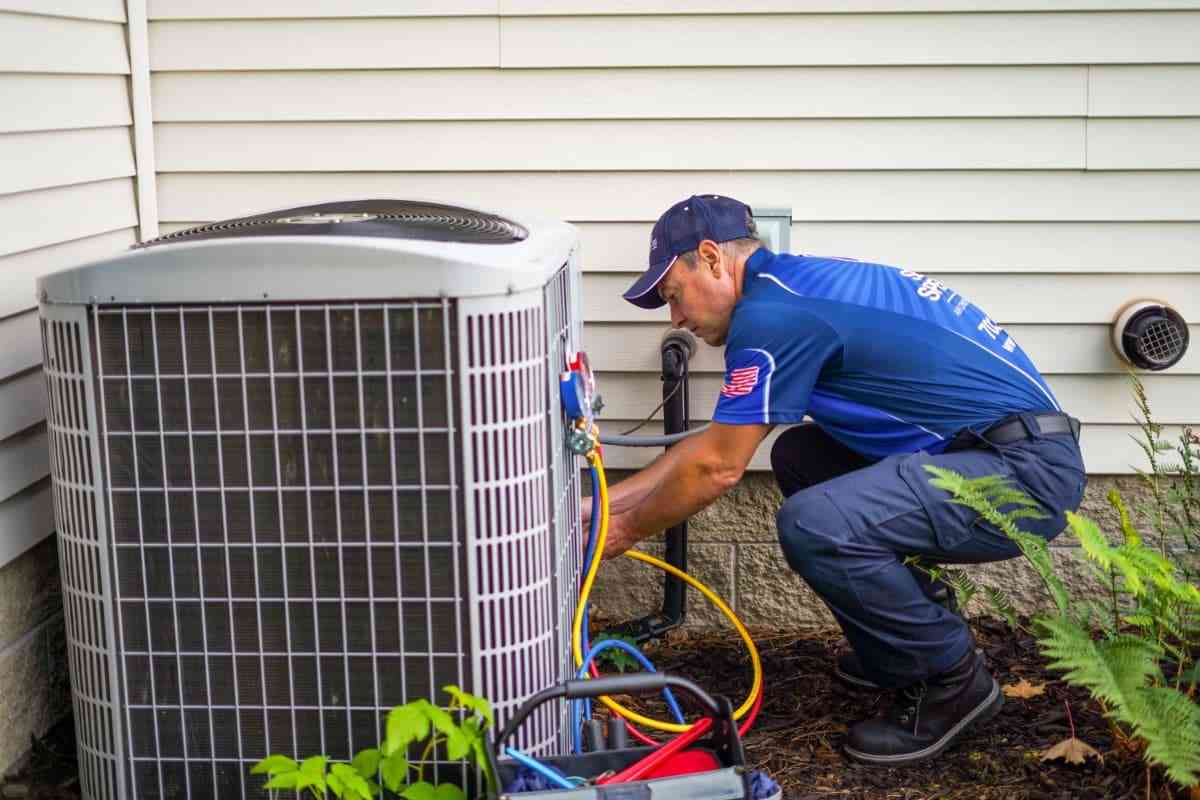
Replacing your air filter regularly—typically every 1–3 months—and scheduling routine maintenance helps ensure your system runs as intended.
Many Air Conditioning Companies stress that proper maintenance is just as important as thermostat settings when it comes to energy efficiency.
Final Thoughts
The best AC settings for San Diego summers aren’t about blasting cold air—they’re about consistency and efficiency.
Keeping your thermostat near 78°F, minimizing unnecessary adjustments, and reducing indoor heat sources can help you stay comfortable without driving up your energy bill.
Small changes in how you use your system can lead to noticeable savings over time.
