

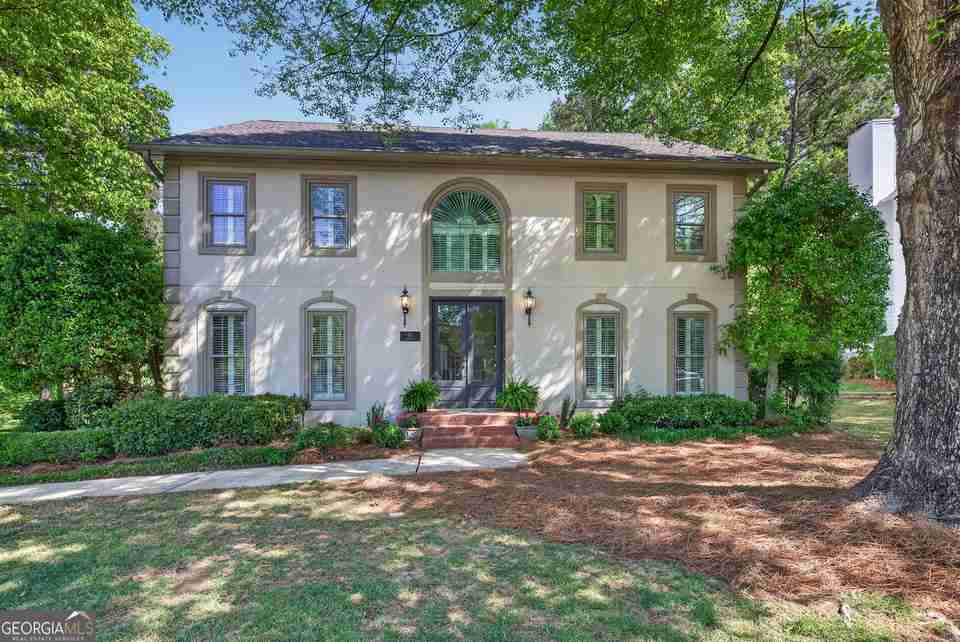
Back in 2021 and early 2022, homes sold extremely fast.
Buyers faced bidding wars almost everywhere.
Some people offered $50,000 to $100,000 above asking price just to stay competitive. In many areas, homes sold within a weekend.
The Colorado Front Range housing market looks very different in 2026 compared to just a few years ago.
Back in 2021 and early 2022, homes sold extremely fast.
Buyers faced bidding wars almost everywhere.
Some people offered $50,000 to $100,000 above asking price just to stay competitive. In many areas, homes sold within a weekend. But it’s not the same in 2026.
Market now allows buyers to have more choices. Sellers are compelled to price homes more carefully.
But housing prices alone can’t dictate a market’s overall situation.
You have to consider mortgage rates, demand, migration trends and overall lifestyle appeal. That is why understanding the market matters more now.
Understanding The Front Range Market In 2026
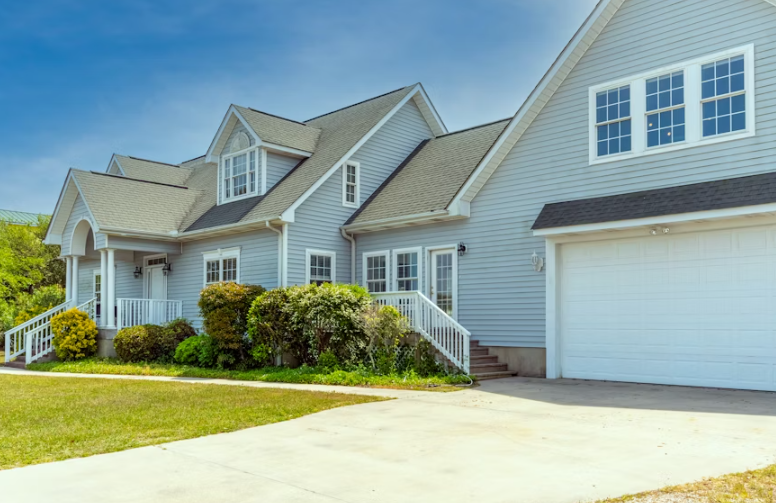
There’s no doubt regarding how much interest the Front Range real estate receives from buyers.
The Denver-to-Boulder corridor basically connects cities to suburbs.
So, naturally it has an amazing lifestyle appeal to those who want access to easier transportation and a growing job market.
But to fully understand the real estate market here, we have to consider the buyer’s mindset in 2026.
You see, buyers are no longer in “panic” mode.
They tend to take their time comparing neighborhoods more carefully. Keeping that in mind, let’s have a look at the market in the Front Range.
The Market Is Cooling
Cooling is probably a bad term in real estate. But in the context of Front Range, it does not mean crashing. This is important to understand.
Home prices are still very high across many Front Range communities. But the extreme price jump has slowed down.
For example, during 2020, some of the hot spots saw an appreciation by 20%.
To be honest, that type of jump is unhealthy to sustain. That’s exactly what happened.
In 2026, many neighborhoods are seeing smaller and healthier growth numbers instead. That gives buyers more breathing room.
Instead of rushing into a decision within 24 hours, buyers can now compare homes, negotiate repairs freely.
Interest Rates Are Reshaping Buyer Behavior
Mortgage rates continue shaping almost every housing decision in 2026.
A small rate increase can change monthly payments by hundreds of dollars.
For example, let’s compare the monthly payment on a $600,000 home with a 30-year fixed mortgage.
If your down payment was 20%, at 3% rate, you will pay $2020 every month. But at 6.5%, the same loan jumps to %3030 per month.
So, every month you are paying $1000 more. Over one year, that’s $12000 in payments.
Because of this, buyers are adjusting their priorities.
Some are choosing smaller homes.
Whereas, others are choosing to move slightly farther from Denver. That decision allows you to have more space for the same monthly payment.
This shift has made suburbs and middle-corridor communities more attractive than costly metros.
Migration Into Colorado Still Matters
Even if the housing price is higher in Colorado, it still keeps attracting new buyers.
Its diverse employment opportunities, and comfortable weather play a big role in it.
However, many of these buyers are considering Front Range instead of living at the heart of Colorado. Because it allows them to afford larger homes, calm neighborhoods without giving up on top-notch schools or work opportunities.
That shift benefits places like Broomfield, Erie, Louisville, and Longmont.
Why Broomfield Sits In A Unique Position Within The Front Range
Broomfield As A “Middle Corridor” Market
The Broomfield real estate market continues attracting attention because of its convenient location. You see, it sits between two major economic centers.
That creates flexibility many buyers want. It’s a blessing for families with mixed commuting needs.
One spouse may work in Denver while the other works closer to Boulder.
Broomfield helps mitigate the issue as it’s practically close to both cities.
The “middle position” allows its residents to access all the amenities of the Front Range without having to commit to either of its urban centers. That’s like the best of both worlds.
Blend Of Established Neighborhoods & Newer Development
Another reason buyers like Broomfield is the housing mix.
The variety you get here is notable. You don’t have to let go of your dream house.
Here are communities featuring mature trees, larger lots, and older established homes. But there’s another section that offers newer developments with comparatively modern layouts and energy-efficient designs.
That gives buyers more options depending on budget and lifestyle.
The reason for such diverse housing design is the variety in demographic who want to live here.
You will find young professionals, small families and retirees. That’s why the housing market is organized in a way that can cater to everyone’s needs.
The Current Investment Situation- Why Now?
Many buyers in 2026 are asking the same question, “Should I wait or buy now?”
Even though compared to the ultra-competitive market of 2021 and 2022, buyers today often have more leverage. The answer still depends on finances, timing, and long-term plans.
Pricing Is More Negotiable Than During 2021-2022
During the peak market years, sellers controlled almost everything.
Homes sometimes received 10 to 20 offers within days. That’s why buyers waived inspections. Some even covered appraisal gaps with extra cash.
That unhealthy and cut-throat environment has cooled significantly.
Today, negotiations are more common again. Buyers request repairs, negotiate price reductions, even ask for seller-paid closing costs.
This does not mean every home is suddenly cheap.
Desirable neighborhoods still move quickly. But buyers now have opportunities that barely existed a few years ago.
Timing Matters A Lot
Seasonality still affects the Front Range market.
Spring usually brings the highest number of buyers. Families often prefer moving during the summer before a new school year starts.
Because of this, competition tends to increase between March and June.
Fall and winter can look different. So, buyers should take up the opportunity and wait for colder months for better negotiation power.
Bottom Line
The Front Range market in 2026 is more balanced than the chaotic housing market buyers experienced a few years ago. Higher mortgage rates have slowed activity. But demand across Colorado remains strong.
Buyers still want access to jobs, outdoor living, and quality suburban communities. That creates opportunities for people who approach the market carefully.
