

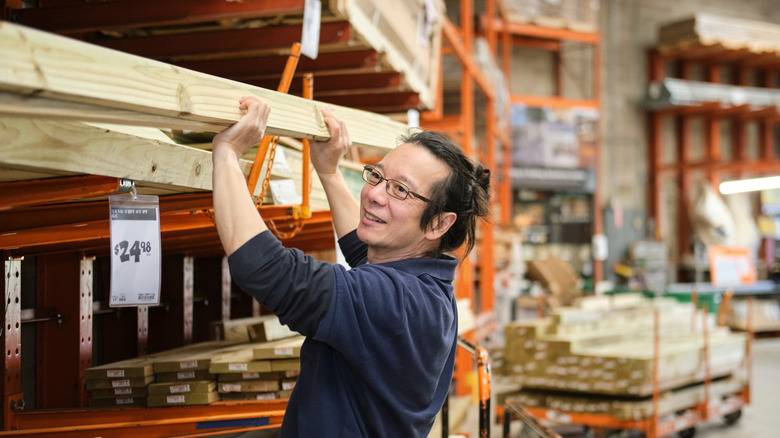
The majority of do-it-yourself projects fail due to material selections rather than a lack of effort.
In particular, Wood has a tendency to show defects or problems over time.
When utilised, anything that first appears solid may begin to deform, scratch, or loosen.
On the contrary, a well-chosen option tends to blend in organically, giving a room a sense of completion without being overpowering.
Softwood vs Hardwood (Without Overcomplicating It)
In general, softwoods like fir, cedar, and pine are simpler to handle and work with.
They are lighter, cut more quickly, and are more tolerant of imperfect dimensions. They appear in basic projects like wall shelves or simple furniture because of this.
Hardwoods are a different story. Oak, walnut, teak, they take more effort, sometimes better tools, and definitely more patience. But they hold up. That’s the trade-off.
In practical terms, hardwood is better to live with over time, whereas softwood is simpler to deal with when talking about handling and working with.
There’s a more detailed breakdown of wood properties available through the U.S. Forest Service if a deeper look is needed.
The Look of It Matters More Than People Admit
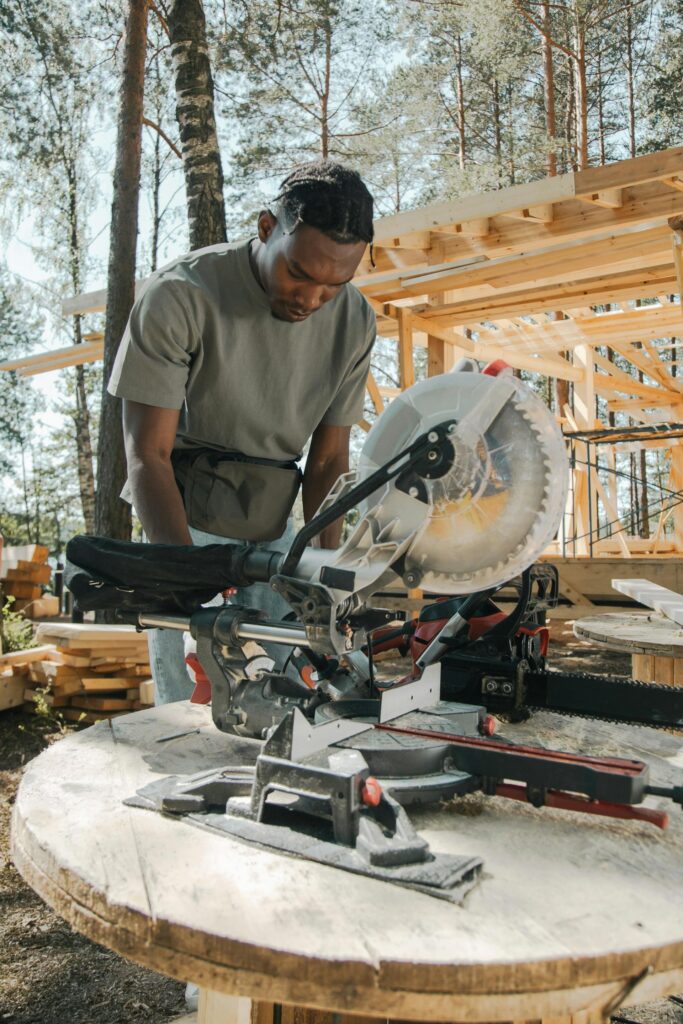
Even when someone doesn’t know what type of wood is being used, they can tell when it feels right or off.
Pine is a light-coloured softwood with irregular texture and noticeable knots.
It works well for shelves, panelling, and simple furniture since it is simple to cut and shape. Although it dents more readily than harder woods, it also accepts paint and stains effectively.
Oak is more resilient and denser.
Even without extensive finishing, it has a structured look because to its more pronounced grain. Because it endures well under frequent usage, it is frequently used for flooring, dining tables, and cabinets.
Walnut is darker and has a smoother, more uniform grain.
It’s typically used in furniture where the material itself is meant to be visible, such as coffee tables, desks, or statement pieces.
It’s less about utility and more about finish and visual impact.
Cedar is softer but naturally resistant to moisture and insects. That makes it a practical choice for outdoor use, such as decking, fencing, or garden furniture, where untreated wood would deteriorate quickly.
A common misstep is picking wood based on trend photos instead of the actual space.
What works in a styled image doesn’t always translate into a real room with real use?
Where Things Usually Go Wrong: Durability
This is where most DIY projects quietly fail.
Something can look solid on day one and still start shifting, denting, or wearing out far sooner than expected. The issue isn’t always the build; it’s the material.
Light indoor pieces like shelves or decorative units don’t need extreme strength.
Pine or similar woods can handle that without much trouble. But anything that carries weight or gets used daily, such as tables, stairs, and flooring, needs something stronger. That’s where hardwood starts making more sense.
Outdoor builds bring a different set of problems.
Moisture, heat, and insects; none of these are forgiving. Cedar and treated wood tend to hold up because they’re built for that kind of exposure.
Then there’s a middle ground.
Some materials are still workable but offer more stability than basic softwood.
While softer woods are easier to cut, more robust options like Thick Pine Boards provide better durability for furniture and structural DIY projects where a bit more strength is needed without making the process overly complex.
Where Wood Actually Fits Best in a Home
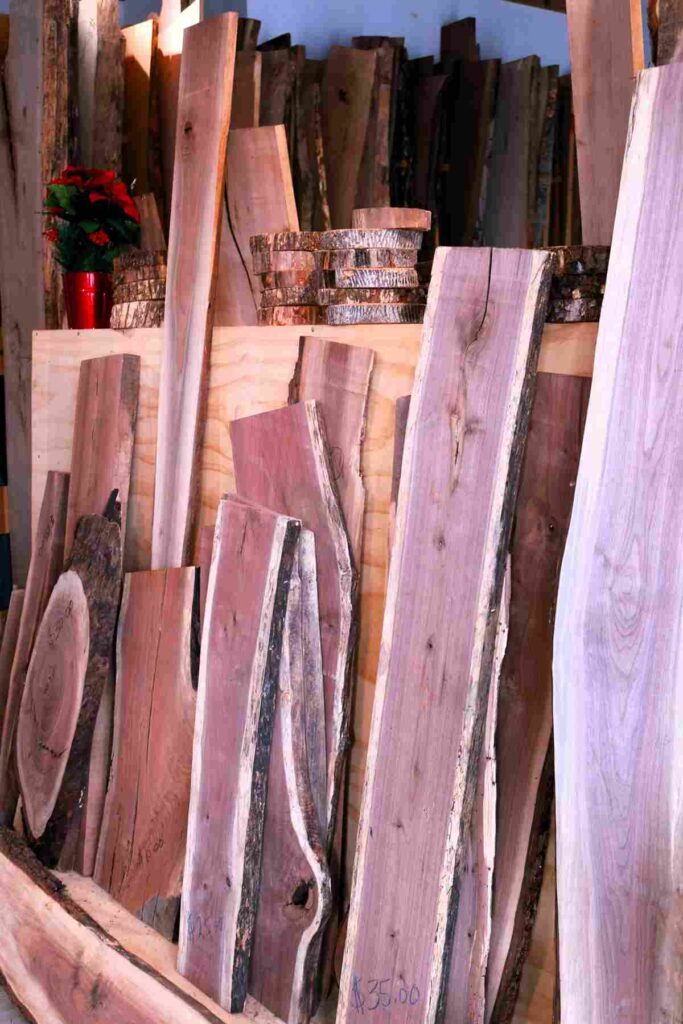
Not every space benefits from the same type of wood, even if consistency sounds appealing.
Living rooms tend to benefit from wood that softens things, such as shelves, coffee tables, and even a single panel feature wall.
Lighter tones can open up smaller areas, while darker ones work better when there’s enough space to balance them.
Kitchens are less forgiving. Wood works, but only if it’s properly sealed and suited for moisture.
Otherwise, it starts showing wear faster than expected.
Bedrooms are more flexible. Wood here doesn’t need to carry weight; it just needs to feel right.
Bed frames, side tables, and subtle panelling, these are more about comfort than durability.
Outdoor areas are purely practical. If the wood can’t handle weather changes, it won’t last. Simple as that.
Choosing Based on Use, Not Just Price
A lot of DIY decisions come down to cost first. That’s usually where things go off track.
Cheaper materials can work, but not for everything. Decorative builds can lean toward appearance. Structural ones can’t afford to. Outdoor pieces have their own requirements entirely.
It’s less about finding the “best” wood and more about avoiding the wrong one for the job.
Concluding
There isn’t a single type of wood that works everywhere. And trying to force one usually shows in the end result. The better approach is simple; match the material to how it’s going to be used, not just how it looks at the start.
That one adjustment tends to be the difference between something that lasts and something that needs fixing sooner than expected.
