

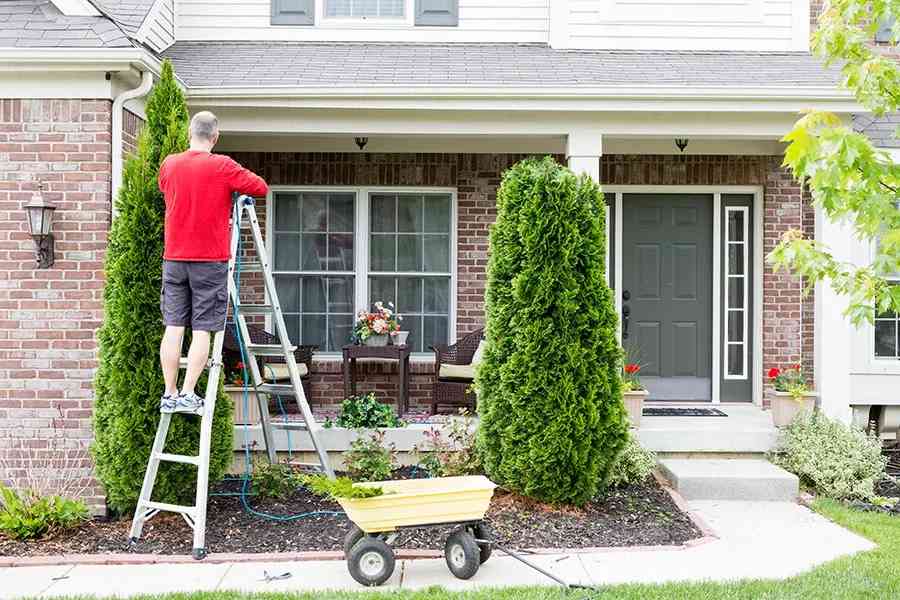
Look, I get it. You just bought your house, or maybe you’ve been living there for years.
Either way, the last thing you want to think about is more work, more checklists, more stuff to remember.
But here’s what I’ve learned after spending over 15 years writing about homes, talking to contractors, and yes, making my own expensive mistakes: the homes that cost the least to own are the ones that get the most attention.
I’m going to break down exactly how staying on top of maintenance puts money back in your pocket.
Not just a little bit. We’re talking about thousands of dollars over the years. And I’ll show you where to focus your energy so you’re not wasting time on stuff that doesn’t matter.
How Regular Home Maintenance Saves You Money Over Time
Think about your car for a second.
You change the oil every few thousand miles, right? You don’t wait until the engine seizes up and then go, “Huh, wonder what happened.”
Your house works the same way.
Regular maintenance is just checking in on the systems and components that keep your house running. It’s tightening a loose screw before the whole hinge comes off. It’s cleaning a gutter before water backs up and rots your fascia board.
Most people treat home maintenance like a chore.
I look at it like insurance you’re paying yourself.
Every hour you spend maintaining your house is money you’re not spending on emergency repairs, energy bills that are through the roof, or losing value when you go to sell.
The math is pretty simple when you break it down.
A $5 furnace filter every three months versus a $4,000 furnace replacement.
A Saturday afternoon cleaning your dryer vent versus your house catching fire. You see where I’m going with this.
The True Cost of Neglecting Home Maintenance
Let me tell you about a house I toured a few years back. Nice neighborhood, great curb appeal.
The homeowners hadn’t really done much maintenance in about seven years. Just lived there, enjoyed it, figured everything was fine.
Then they decided to sell.
The inspection came back with $30,000 in deferred maintenance.
The HVAC system was on its last leg.
The water heater was rusted out and leaking slowly into the basement. The roof had missing shingles they never noticed, and water had been getting into the attic for who knows how long.
They ended up dropping the price by $40,000 just to get it sold.
Here’s the thing. Most of that damage could have been caught early.
A yearly check on the water heater. Looking at the roof after a bad storm.
Having someone service the HVAC system once a year.
When you ignore maintenance, small problems turn into big problems. That’s not just some saying. It’s literally how houses deteriorate.
A small roof leak becomes rotted decking. Then it becomes damaged insulation. Then it becomes a mold problem.
Then you’re looking at a five-figure repair bill instead of a $200 repair that would have taken an hour.
I’ve seen it happen over and over.
The homeowners who think they’re saving money by not “wasting” time on maintenance end up spending way more when everything fails at once.
Key Areas Where Maintenance Saves Money
Not all maintenance is created equal. Some stuff matters a lot.
Other stuff is just nice to do if you have time.
Your big money-savers are going to be anything related to water, air, and structure. Those are the three things that can really hurt you if they go wrong.
Water systems. That’s your plumbing, your roof, your gutters, your grading around the foundation. Water is enemy number one for houses. It rots wood, it grows mold, it destroys foundations.
Checking under sinks monthly, cleaning gutters seasonally, making sure your grading slopes away from the house – that stuff prevents the big disasters.
HVAC and air systems. Your furnace, your AC, your ductwork. These systems are expensive to replace. A furnace can run you $3,000 to $6,000.
An AC system, same range. But if you’re changing filters, getting yearly service, keeping things clean? You can stretch these systems out for 15, 20 years instead of having them fail at year 10.
Structural components. Your foundation, your framing, your roof structure.
You’re not doing a lot of active maintenance here, but you’re checking.
You’re walking the perimeter of your house once a year. You’re looking in your crawl space if you have one. You’re making sure nothing is shifting, cracking, or settling in a weird way.
Those three categories are where your money goes if things fail. So that’s where your attention should be.
Energy Efficiency and Lower Utility Bills
This one surprises people.
You think maintenance is about preventing repairs. And it is. But it’s also about keeping your house efficient.
A dirty furnace filter makes your furnace work harder.
It runs longer to heat your house to the same temperature. That shows up on your gas bill every single month.
I switched from checking my filter “whenever I remembered” to actually changing it every three months.
My winter gas bills dropped by about 15%. That’s $20 to $30 a month in my area. Over a heating season, that’s $100 to $150. The filters cost me $20 for the whole year.
Same thing with your refrigerator. Those condenser coils on the back or bottom? When they’re covered in dust, your fridge has to work harder to stay cold.
It runs more often. It uses more electricity. Cleaning those coils once or twice a year keeps your fridge running efficiently.
Washing machines benefit from regular cleaning to prevent buildup.
Dishwashers work better when filters are cleared. These are small tasks that extend the life of each unit.
Weather stripping around doors is another one. That rubber seal on the bottom of your door costs maybe $10 to replace. If it’s worn out and you have a gap, you’re literally heating or cooling the outdoors.
I replaced the bottom seal on my garage door last fall, and I can feel the difference in how much warmer that space stays.
These aren’t big dramatic repairs. They’re small things that add up month after month on your utility bills.
Extending the Lifespan of Home Components
Everything in your house has an expected lifespan. Water heaters last 8 to 12 years. Furnaces last 15 to 20 years. Roofs last 20 to 30 years depending on the material.
But here’s what most people don’t realize. Those lifespans assume normal maintenance.
A water heater that never gets flushed? That sediment builds up at the bottom. It makes the tank work harder. It causes hot spots that can wear through the tank. You might get 8 years out of it instead of 12.
A water heater that gets flushed once a year? You’re probably hitting that 12-year mark, maybe even longer.
Same with your deck if you have one.
Pressure-treated wood can last 25 years or more if you’re cleaning it and resealing it every few years. If you never touch it? You’re looking at boards that start rotting out at year 10 or 15.
I learned this the hard way with a deck I inherited with a house.
The previous owners never maintained it.
I ended up replacing the whole thing at year 12. That’s a $5,000 project I could have pushed out another decade if someone had just spent a weekend every other year cleaning and staining it.
Appliances are the same way. Your washing machine, your dryer, your dishwasher.
These things have moving parts. They have filters. They have seals. A little bit of cleaning and checking goes a long way.
Dryer vents are huge. That lint buildup isn’t just a fire hazard. It also makes your dryer work way harder.
Your clothes take longer to dry. The heating element burns out faster. Cleaning that vent out once a year can add years to your dryer’s life.
Increasing Property Value
Here’s something I didn’t think about until I started covering real estate more seriously.
Buyers care about maintenance history.
When you go to sell your house, having records that show you actually took care of the place makes a difference.
Not just in passing inspection. But in how buyers perceive the value.
A house that’s been maintained feels solid. It feels like it’s been cared for. Buyers will pay more for that peace of mind.
A house that clearly hasn’t been touched in years? Buyers assume everything is about to break. They lowball you. They ask for concessions.
They might walk away entirely if the inspection is bad enough.
I talked to a real estate agent last year who told me maintained homes in her area sell for 5% to 10% more than comparable homes that need work. On a $300,000 house, that’s $15,000 to $30,000.
And it’s not just about the big stuff. It’s about the impression.
Clean gutters. Fresh caulk in the bathrooms. A furnace that has service records.
Door hinges that don’t squeak. These details tell buyers this house has been taken care of.
You’re not going to get a line item on your appraisal that says “well-maintained, add $20,000.” But you will get more interest, better offers, and a smoother sale.
Creating a Preventive Maintenance Schedule
Okay, so you’re convinced. Maintenance saves money. Now what?
You need a system. Because if you’re relying on memory, you’re going to forget stuff.
I break mine into three categories: monthly, seasonal, and yearly.
Monthly tasks are your quick safety checks. Test your smoke detectors. Check under your sinks for leaks. Maybe test your GFCI outlets in the bathrooms and kitchen. These take 10 minutes total.
Seasonal tasks are tied to the time of year. Spring is when I’m checking my AC before summer hits. Fall is when I’m servicing the furnace before winter.
I clean gutters after the leaves drop. I check weather stripping before it gets cold.
Yearly tasks are the deeper dives. Flushing the water heater.
Inspecting the crawl space if you have one. Walking the perimeter of your house looking for issues. Testing your sump pump if you have one.
The key is writing this stuff down. I keep a simple spreadsheet. Some people use apps. Some people just have a paper calendar on the fridge.
Doesn’t matter what system you use. What matters is that you have one.
DIY vs Professional Maintenance
Not everything needs a professional. But some things do.
I’m all for DIY. I do most of my own maintenance.
Changing furnace filters, cleaning gutters, checking for leaks, tightening screws – this stuff is not complicated. You don’t need special skills. You just need to pay attention and be willing to spend the time.
But HVAC service? I call someone. That yearly furnace checkup costs me $75 in my area.
The tech comes out, cleans everything, checks for issues, makes sure it’s running efficiently. That’s money well spent because a good tech catches problems I would miss.
Same with anything involving your roof if you’re not comfortable up there.
Same with electrical work beyond basic stuff. Same with foundation issues.
You have to know your limits. Doing maintenance yourself saves money. But causing a bigger problem because you didn’t know what you were doing costs way more.
My rule is simple. If it’s a check or a cleaning or a minor adjustment, I’m doing it.
If it involves specialized knowledge or tools I don’t have, I’m calling someone.
The goal isn’t to do everything yourself. The goal is to keep your house in good shape in the most cost-effective way possible.
Conclusion
Regular home maintenance isn’t exciting. Nobody’s going to congratulate you for changing your furnace filter or cleaning your dryer vent.
But it works. It keeps your house running smoothly.
It prevents expensive emergencies. It lowers your utility bills.
It extends the life of everything you own. It keeps your property value up.
The homeowners who understand this are the ones who spend less money over time. They’re the ones who aren’t scrambling when something breaks.
They’re the ones who get top dollar when they sell.
You don’t have to be perfect. You don’t have to do everything on some master checklist.
Start with the basics. Check for water leaks. Change your filters. Clean your gutters. Get your HVAC serviced once a year.
Those simple things will put you ahead of most homeowners. And your bank account will thank you for it.
