

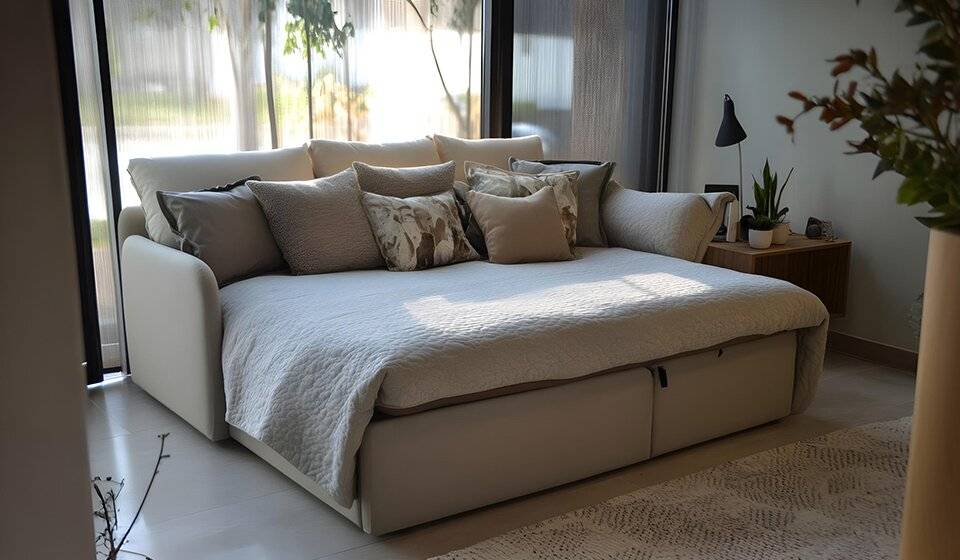
Choosing the right furniture for your home is an exciting process, but it can also be overwhelming. With so many styles, materials, and price points available, it is easy to make decisions that may not serve you well in the long run.
While many people focus on how furniture looks, practical considerations are just as important for creating a comfortable and functional living space.
If you are planning to invest in new furniture, whether you are looking for a new dining table, upgrading your lounge suite, or exploring sofa beds for Perth homes, understanding common mistakes can help you make smarter choices and avoid costly regrets.
5 Mistakes to Avoid When Choosing Home Furniture
Prioritising Style Over Comfort
One of the most common mistakes people make is choosing furniture based purely on appearance.
While a stylish sofa or dining chair may look impressive in a showroom, it may not feel comfortable during everyday use.
Comfort should always come first, especially for pieces you use regularly in Perth homes, such as lounge suites, accent chairs, or beds.
Furniture that lacks proper support can affect your posture and overall well-being over time.
When selecting furniture, take the time to test it if possible.
Sit down, lean back, and consider how it feels after a few minutes. Think about how you will use the piece daily rather than how it looks in a staged setting.
A balance between comfort and design will always deliver better long-term satisfaction.
Ignoring Room Size and Layout
Another major mistake is failing to consider the size and layout of your space.
Furniture that is too large can make a room feel cramped, while pieces that are too small can leave it feeling empty and unbalanced. Before making any purchase, measure your space carefully.
Consider not only the dimensions of the furniture but also how it will fit within the room.
Allow enough space for movement, doorways, and other elements such as rugs and lighting.
It is also helpful to visualise the layout. Think about how each piece will interact with others and how people will move through the space.
Proper planning ensures your home feels open, functional, and visually appealing.
Overlooking Quality and Durability
Focusing solely on price is another mistake that can lead to disappointment.
While budget-friendly options may seem attractive initially, they often lack durability and may need to be replaced sooner than expected.
Investing in high-quality furniture can save money in the long run.
Look for sturdy construction, durable materials, and reliable craftsmanship. Solid timber, high-density foam, and strong joinery are all indicators of well-made furniture.
Quality furniture not only lasts longer but also maintains its appearance and comfort over time.
It is worth spending a little more upfront to ensure you are making a smart and lasting investment.
Choosing the Wrong Material
Material selection plays a significant role in both the appearance and functionality of furniture.
Many people choose materials based on looks alone without considering their lifestyle or maintenance requirements.
For example, light coloured fabrics may not be ideal for homes with children or pets, while delicate materials may require more care than you are willing to provide.
Similarly, certain finishes may not withstand daily wear and tear.
Consider how your furniture will be used and choose materials accordingly.
Easy-to-clean fabrics, scratch-resistant surfaces, and durable finishes can make a big difference in maintaining your furniture over time.
Practical choices ensure your home remains both stylish and easy to manage.
Not Thinking About Long-Term Needs
Furniture is an investment, and your needs may change over time.
A common mistake is choosing pieces that suit your current situation but do not adapt to future requirements. For instance, a small sofa may work for now, but it may not be suitable if your family grows or if you entertain guests frequently.
Similarly, trendy designs may go out of style quickly, leaving your space feeling outdated.
Opt for versatile and timeless pieces that can evolve with your lifestyle.
Neutral colours, classic designs, and modular options offer flexibility and longevity. Thinking ahead ensures your furniture remains relevant and functional for years to come.
Final Thoughts
Choosing home furniture goes far beyond simply filling empty spaces.
Every piece you select should contribute to how your home functions, feels, and adapts to your daily routine.
From large investments like sofas and beds to smaller additions such as storage units and accent pieces, each decision plays a role in shaping a space that truly works for you.
By being mindful of common mistakes, you can avoid unnecessary expenses, reduce future replacements, and create a more cohesive and comfortable environment.
When you focus on quality and practicality alongside style, you create a home that not only looks appealing but also supports your lifestyle for years to come.
Frequently Asked Questions
What is the biggest mistake when choosing home furniture?
Prioritising style over comfort is one of the most common mistakes. Furniture may look appealing, but it can become uncomfortable with daily use, making it unsuitable for long-term living.
How can the right furniture size be chosen for a room?
Accurate measurements of the room and furniture are essential. Consider layout, walking space, and how each piece fits with existing elements to maintain balance and functionality.
Why is furniture quality important?
High-quality furniture offers better durability, comfort, and long-term value. Well-made pieces reduce the need for frequent replacements and maintain their appearance over time.
Which materials are best for everyday furniture use?
Durable and easy-to-maintain materials such as solid timber, performance fabrics, and scratch-resistant finishes are ideal, especially in busy households with children or pets.
Is it better to follow trends or choose timeless designs?
Timeless designs are generally a safer choice as they remain relevant for longer periods. Trends can be incorporated through smaller decor items rather than large furniture pieces.
