

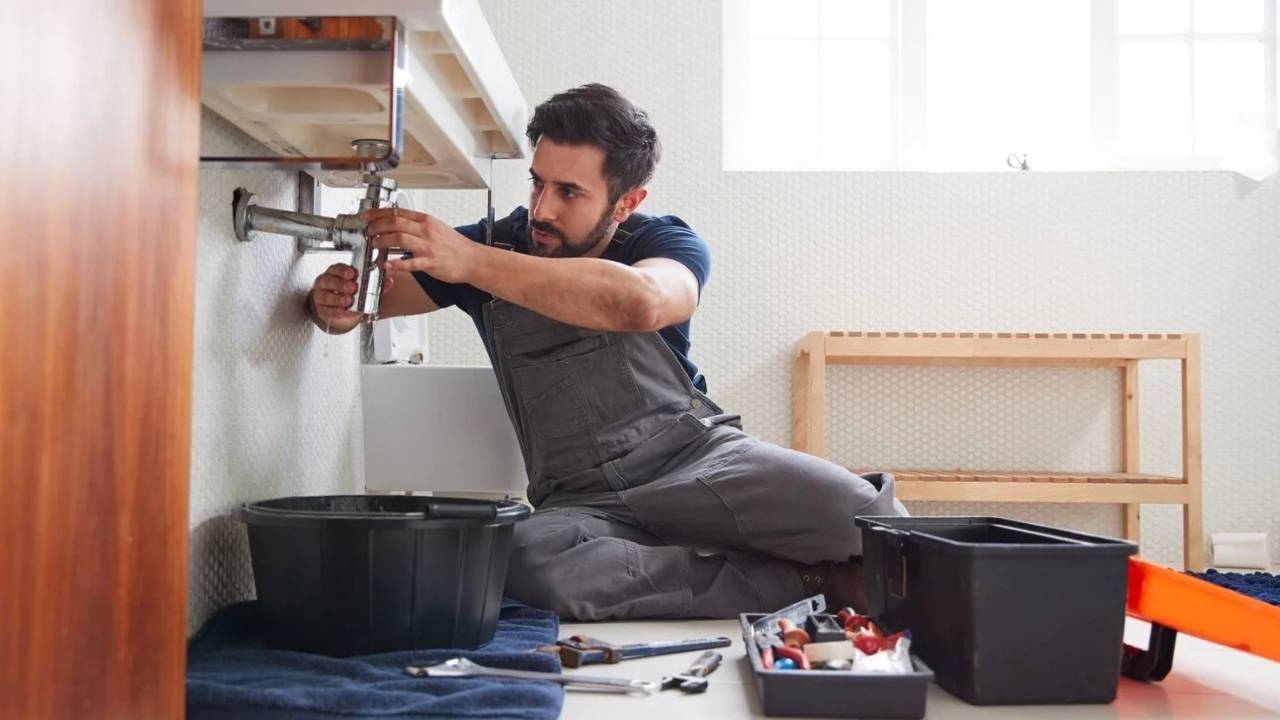
So you’ve heard people throw around terms like being handy.
But what about drhandybility, it’s the idea that anyone can learn to handle basic home stuff without panicking or calling a repair person for everything.
These handy tips around the house drhandybility are about build with simple fixes and regular upkeep.
You don’t need to be a professional or have experience.
Basic home maintenance skills save you money.
A small leak ignored becomes a huge water damage bill.
A clogged filter makes your energy costs skyrocket.
Simple DIY habits mean less stress when something breaks on a Sunday.
You become empowered instead of helpless.
Renters benefit too because knowing how to fix small issues means fast solutions and better relationships with landlords.
We’re breaking down what handy tips around the house drhandybility means, which tools you need, and specific tips for bathrooms, electrical safety, climate control, kitchens, seasonal changes, organization, and saving money on energy.
What Is Drhandybility?

Drhandybility combines DIY skills with a smart maintenance mindset.
It’s not about becoming a contractor.
It’s about being self-sufficient at home for the everyday stuff that comes.
The concept encourages confidence in handling small repairs yourself.
A drippy faucet is what you can fix. A squeaky door is doable too.
It focuses on preventive maintenance instead of waiting for emergency repairs.
Spending 15 minutes checking your home monthly beats spending $500 on emergency plumber visits.
Think of drhandybility as your guide for everyday home solutions.
It’s about knowing what you CAN handle and when to call professionals. The balance is key.
Essential Tools Every Home Should Have
You don’t need a garage full of equipment. Start with basics and build from there.
Get yourself a decent hammer.
A screwdriver set with both flat and Phillips heads.
A tape measure because guessing sizes never works well.
A level so your shelves don’t look drunk. Pliers for gripping and turning stuff.
A utility knife for opening packages and cutting materials.
Organization matters too. Keep everything in one toolbox or use a pegboard system.
Label compartments if that helps you.
When you need a tool on a random day, you’ll thank yourself for staying organized. Quality beats quantity here.
Different Categories Of Handy Tips Around The House by Drhandybility
Home maintenance isn’t one-size-fits-all. Different areas need different attention.
Breaking it down by category makes it way less overwhelming.
Let’s get into the specifics that matter.
So, let’s see into the different categories of handy tips around the house drhandybility.
Bathroom Fixes
Bathrooms take a beating with the moisture.
Check under sinks and behind toilets every few months for leaks, peek under there and it takes 30 seconds.
Clean your showerheads and faucet aerators by soaking them in vinegar.
Mineral buildup is real and it tanks your water pressure.
Nobody wants a sad shower stream.
Fix drips. The constant drip-drip-drip isn’t annoying.
It causes mold, wastes water, and damages fixtures over time.
Usually it’s a worn washer that costs like 50 cents to replace.
Baking soda works wonders in bathrooms.
Scrub sinks, remove stains, neutralize odors.
Mix it with vinegar for minor drain clogs before reaching for harsh chemicals.
Electrical Safety
This is where you DON’T mess around if you’re not confident.
But there are safe checks anyone can do.
Test your smoke detectors and carbon monoxide detectors monthly.
Press the test button. Change batteries at least once a year. This is life-saving stuff.
Test GFCI outlets monthly too.
These are the outlets with the reset buttons mainly in bathrooms and kitchens.
They protect against electrical shocks and they’re super important.
Avoid overloading outlets.
If you’re daisy-chaining power strips, then stop.
That’s a fire waiting to happen.
Spread out your devices or get a proper surge protector.
Climate Control
Your HVAC system is the most expensive thing to replace so take care of it.
Check filters monthly. Replace them every 90 days minimum.
Dirty filters make your system work hard, cost more money, and break down fast.
Set a phone reminder if you forget.
Clean your outdoor condenser unit seasonally.
Clear away leaves, grass clippings, and debris. Give it breathing room.
Get a professional HVAC tune-up once a year. This is worth paying for.
They catch small issues before they become big expensive ones.
Open your windows for 10 minutes daily if weather allows.
Cross-ventilation improves air quality. Your home needs to breathe too.
Kitchen Maintenance
Kitchens get used hard every single day.
Keep small cleaning supplies right in the kitchen for quick touchups. Spills cleaned don’t become sticky messes later.
Baking soda and vinegar handle most kitchen cleaning naturally.
Check under your sink for leaks quarterly. Kitchen sinks get in use and connections can loosen over time.
Meal prepping isn’t trendy.
It saves time weekly and keeps your kitchen more organized.
Plan ingredients and batch-cook when possible.
Seasonal Maintenance
Different seasons need different attention.
Spring means checking for winter damage.
Summer is about AC prep and outdoor work.
Fall means gutter cleaning and heating system checks.
Winter requires pipe insulation and weatherproofing.
Clean gutters twice yearly.
Clogged gutters cause water damage to your roof, siding, and foundation.
Not fun or cheap to fix.
Insulate pipes before winter hits. Frozen pipes burst and cause MASSIVE damage.
Pipe insulation is cheap and easy to install.
Inspect roof shingles for damage.
You can do this from the ground with binoculars.
Look for missing, cracked, or curling shingles.
Caulk around windows and doors to block drafts and water.
This saves energy and prevents moisture problems.
Keep tree branches at least 3 feet from your home exterior.
Closer than that and you’re inviting pests and potential damage.
Check that soil grading slopes away from your foundation.
Water pooling against your foundation is bad news.
Smart Organization Tips
Label everything. Tools, shelves, storage bins. In the future you will appreciate it.
Store seasonal tools properly instead of leaving them scattered.
Clutter makes spaces feel chaotic and you can’t find anything when needed.
Use technology smartly. Set reminders for maintenance tasks.
Use timers for projects. Your phone can help you stay on top of home care.
Energy Efficiency and Budget-Friendly Tips
Preventive maintenance stops expensive repairs later.
A time now saves major money down the road.
Natural cleaning agents cost way less than fancy products and work as well for most tasks.
Proper tool maintenance extends their life.
Clean them after use. Store them properly.
Quality tools maintained well last decades.
Learn new skills gradually. Watch tutorials.
Read DIY blogs.
Each new skill you gain saves money on future repairs.
Ask for help when tasks exceed your ability.
There’s zero shame in calling professionals for complex or dangerous work.
Benefits of Being Handy Around the House
Why bother learning this stuff?
Here’s why it matters.
- Saves significant money on repairs and maintenance
- Builds confidence and self-sufficiency
- Reduces stress when things break
- Increases home value through proper upkeep
- Empowers you with practical knowledge
- Creates a safer living environment
- Gives you control over your space
- Teaches problem-solving skills
- Prevents small issues from becoming expensive disasters
- Makes you more attractive to landlords if renting
Conclusion
Handy tips around the house drhandybility isn’t about perfection.
It’s about trying, learning, and taking care of your space.
Drhandybility gives you a framework for handling everyday home stuff without freaking out.
Start small. Pick one area to focus on this month.
Maybe test the smoke detectors or change your HVAC filter and next month, tackle something else.
Before you know it, you’ll have solid habits that protect your home and your wallet.
The goal isn’t doing everything yourself.
It’s knowing to handle common issues and recognize when to call professionals and the balance makes you truly handy.
