

As climate change becomes the unmistakable backdrop to modern life, urban areas are scrutinizing their environmental footprints.
Large cities, once symbols of industrial progress, now have the colossal task of mitigating their ecological impacts.
The quaint idea of green living has emerged in urban spaces with vibrancy and purpose—eco-neutral installations.
These installations signal a hopeful direction towards achieving a sustainable urban future that minimizes harm to our planet while reinvigorating electric city landscapes.
Biophilic Architecture: More Than Just Aesthetic
The push for eco-neutral installations starts with biophilic architecture.
Here, nature indoors offers a feast for the senses. Living walls, vertical gardens, or even green rooftops aren’t merely decorative flourishes adorning stark concrete.
Their utility lies in cleaning city air, regulating building temperatures, and reducing energy consumption.
While lush vegetation sprouting from skyscrapers is visually striking, their real power is in delivering tangible environmental benefits, making them staples in sustainable urban planning.
Additionally, these green installations serve as urban wildlife sanctuaries, creating essential habitats for birds, beneficial insects, and other species essential to a balanced ecosystem.
As cities expand upward and outward, providing welcoming spaces for nature encourages biodiversity, even in the heart of human activity.
A city steeped in biophilic design doesn’t just look beautiful; it becomes a living organism where architecture and environment thrive symbiotically.
Urban Solar Farms: Harnessing Energy
Solar farms aren’t confined to sprawling rural expanses.
Urban centers have turned to rooftops, parking lots, and even old industrial sites to catch maximum sun. These installations make bold statements about energy independence in the heart of bustling metropolises.
They’re transforming unused spaces into energy-generating grids capable of supplying thousands of households.
By creating local energy solutions, cities challenge age-old fossil-fuel reliance and chart a path to renewable dominance.
The integration of solar panels in urban infrastructure often involves design ingenuity.
Artistic, innovative installations can become part of the city’s landscape, emboldening an energy-conscious identity while fostering creativity in urban aesthetics.
Expanding solar energy adoption across urban zones aligns with long-term sustainability goals, meeting both energy needs and environmental standards.
In line with harnessing efficient energy sources and reducing surface disruption in urban landscapes, many cities are exploring advanced techniques such as UES Construction.
This approach allows for the installation of underground utilities with minimal impact on city surfaces, thus promoting sustainable and uninterrupted urban growth.
Repurposing the Unseen: Waste Not, Want Not
Waste is another area ripe for eco-neutral intervention.
Cities now aim to transform waste streams into resource flows. Systems like anaerobic digesters convert organic waste into biogas, powering city vehicles or heating homes.
Decomposing food left from restaurants, grocery stores, and homes becomes an opportunity to highlight the vitality found even in waste.
Moreover, single-use plastics find new lives through innovative recycling initiatives, forming bricks for construction or enhancing pedestrian walkways, reducing landfill inputs.
The shift towards a circular economy is increasingly evident.
By incentivizing businesses to repurpose materials and adopt zero-waste models, urban areas decrease environmental burdens while bolstering local economies.
Reducing waste at the source not only conserves resources but also inspires a culture that values sustainability in consumer choices, celebrating a collective commitment to eco-conscious practices.
Micro Parks and Breathing Spaces
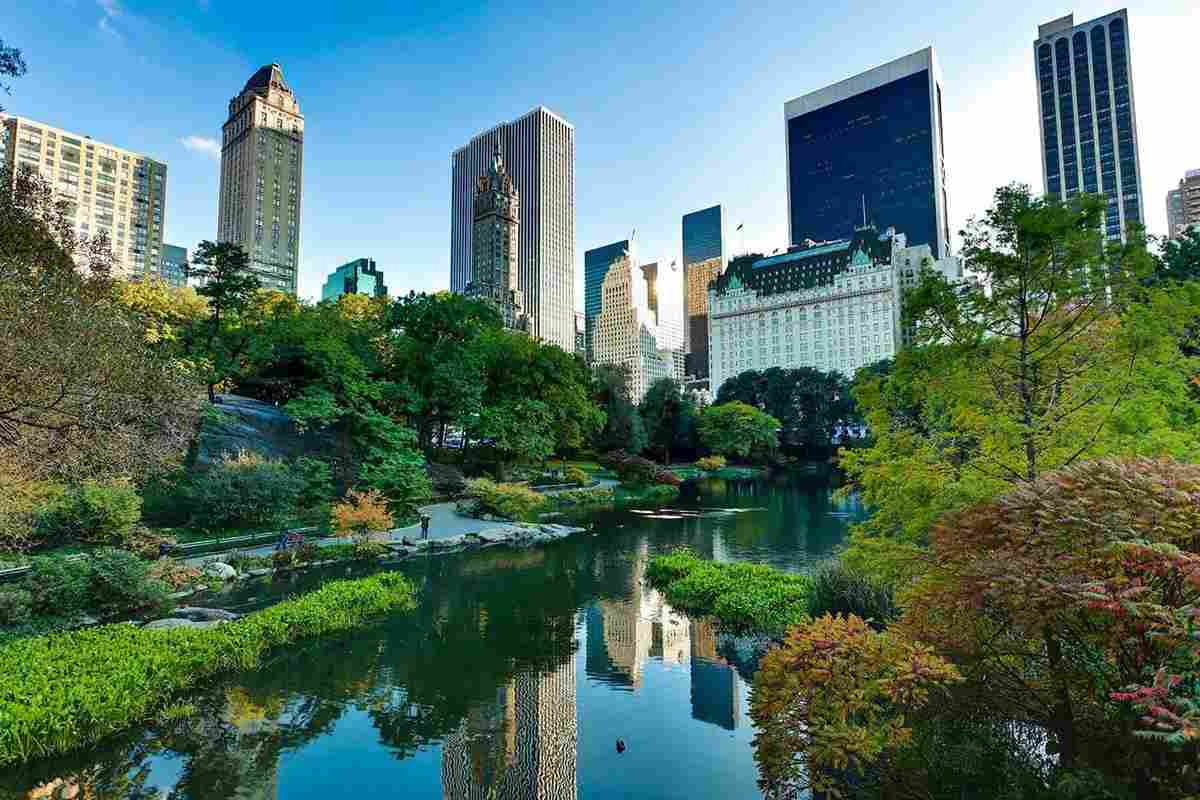
In spaces where land is the most valuable currency, the introduction of small parks and breathing spaces seems like urban luxuries.
Yet their benefits resonate strongly, both for ecosystems and city dwellers. What these “micro” parks lack in acreage, they compensate with curated diversity.
Rows of native plants or ultralocal flora provide habitats for urban critters.
People benefit from leisurely retreats that offer tranquillity amidst the city’s cacophony and improved mental health, proving these spaces are vital for livability.
Micro parks also foster social interaction and community gathering points, where local events and activities invigorate urban life.
Developing these compact green spaces reflects the growing understanding that direct access to nature significantly enhances urban living, offering solace, recreation, and a sense of connection with the broader environment.
Civic Engagement and Active Participation
Eco-neutral installations aren’t top-down mandates imposed upon urban shelters.
They invite community participation, fostering collaboration between city planners, local businesses, and residents.
Emphasizing bottom-up efforts and collective action, these installations embolden citizens to reclaim agency over their urban environments.
Community gardens, for instance, allow individuals to actively engage in food production, promoting environmental consciousness.
Such installations breed a culture of ownership and stewardship among citizens, making more impactful strides towards sustainability.
Active community involvement often leads to innovative solutions tailored to local needs.
This collaboration opens the doors to cross-cultural exchanges, where diverse perspectives fuel creative solutions.
Successful eco-neutral initiatives become landmarks within communities, representing shared values and a more proactive approach to safeguarding urban environments for future generations.
Future Prospects: The Urban Reimagining Ahead
Deceleration of urban expansion? Not likely. Cities will both burgeon and transform.
Eco-neutral installations propel urban centers towards a more mindful existence.
They highlight what’s possible when human ingenuity partners with ecological harmony.
As it stands, these interventions are gateways. They represent an acknowledgment that while progress may come at a price, that price can be measured, managed, and reduced.
Urban planners, architects, and visionary citizens are tasked with crafting cities that not only accommodate more people but also sustain the planet.
Ultimately, eco-neutral installations embody the promise of cities that thrive without cost to our shared environment.
