

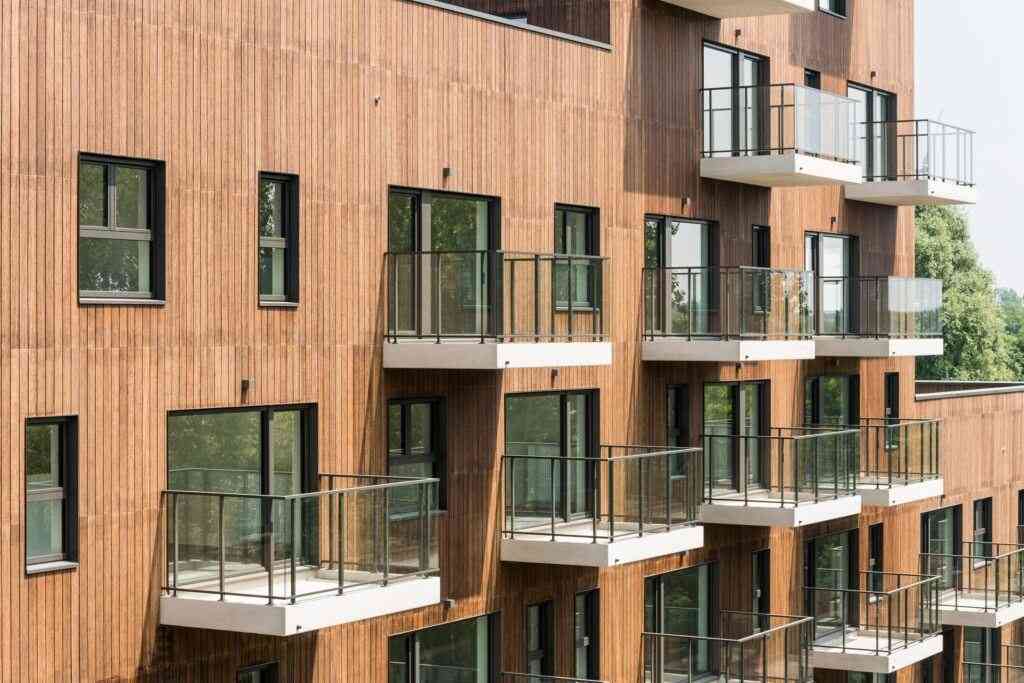
Weather hits a building all year, and exterior walls take the brunt of that force.
Without a strong outer layer, moisture and wind can reach materials that were meant to stay dry.
Cladding adds a protective shield that supports durability and better long-term performance.
Material choice also shapes how well that shield holds up across seasons and exposure levels.
Options like cedar cladding add natural resilience while giving walls a refined finish.
When cladding is planned well, it reduces repair risk and helps the structure stay sound.
Rain Screen Design and Controlled Drainage
Cladding systems can include a rain-screen gap that allows water to drain away from the wall.
This gap reduces pressure on the inner barrier during heavy rain and wind-driven moisture.
The result is a wall assembly that dries faster after storms.
Flashing and trim details guide runoff away from corners, seams, and openings.
When water stays on the exterior plane, framing and sheathing face less stress. This approach helps prevent stains, swelling, and hidden damp spots.
Wind Resistance and Impact Protection
Wind can pull at weak edges and force debris into exterior surfaces during storms.
Strong cladding reduces surface damage and helps maintain a tight wall line under pressure. The points below highlight common ways cladding improves wind and impact defense.
- Reinforced fastening patterns help keep panels secure during high winds.
- Tighter seams reduce the air pressure that can loosen sections over time.
- Durable faces resist dents from branches and windblown gravel.
- Stable corners protect edges where damage tends to start first.
Moisture Control and Rot Prevention
Moisture damage grows when water enters behind the exterior surface and stays trapped.
Cladding helps limit that intrusion and keeps the weather barrier from constant exposure.
This reduces the chance of rot in wood elements and soft spots near trim.
A good system also supports ventilation behind the surface so damp air can exit.
Ventilation behind the surface protects insulation performance and reduces indoor humidity problems.
Over time, this moisture control helps preserve structural integrity and interior finishes.
UV Protection and Temperature Stress Relief
Sun and heat can break down exterior materials and fade surfaces over time.
Quality cladding reduces direct exposure to sensitive layers and limits thermal stress. The points below show how cladding helps manage UV and temperature effects.
- Exterior layers shield building wrap and sheathing from UV exposure.
- Vent gaps reduce heat buildup that can stress wall materials.
- Stable finishes hold colour longer and slow surface breakdown.
- Better thermal control supports consistent comfort inside the building.
Material Selection and Long-Term Care Planning
Some materials withstand rain and sun better because they retain their shape and resist surface wear.
Cedar cladding performs well when properly sealed and maintained.
This balance of durability and appearance makes it a strong choice for many façades.
Proper sealing, moisture control, and regular surface inspections are essential for natural wood cladding to be the most effective.
Preventing cupping, checking, and early weathering is made easier with protective coatings, proper spacing, and clean drainage features.
Wood cladding can safeguard the wall assembly and maintain its aesthetic appeal with a basic maintenance routine.
Cladding protects structures from the sun, wind, rain, and prolonged moisture stress that can harm wall systems.
Drainage, quicker drying, improved sheathing, insulation, and protection are all supported by a well-designed assembly.
With smart material selection and routine inspections, cladding can reduce repair costs and extend its service life.
