

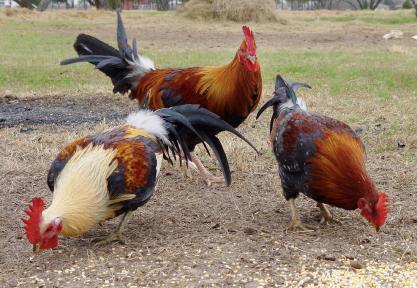
A productive flock depends on how well the space guides their daily routine.
Hens behave better when the environment feels open, clean, and well-planned. Small layout changes make big differences in how calm the birds stay.
Good spacing keeps tension low and activity smooth.
A flock needs clear paths, quiet corners, and small activity zones. These details shape better habits each day. When the layout works well, your hens respond with more energy.
Many owners think productivity requires costly upgrades or a full yard rebuild. In reality, smart layout work creates better results without heavy spending.
A strong shelter gives you a steady starting point for everything else you want to add.
A stable and roomy Large Chicken Coop helps structure the flow of the yard and supports clear movement patterns. Birds feel safer when their shelter sits in the right spot.
The rest of the design grows around that central point. With steady planning, you create a space that helps your flock perform better.
Divide the Area Into Purpose Zones
A flock works best when each activity has its own zone.
Feeding should stay in one corner away from rest areas.
Dust-bath corners help hens unwind without blocking movement.
Water areas need shade to stop quick heat buildup.
Nesting spaces must remain quiet and be placed far from high-traffic spots.
Purpose zones stop birds from crowding around one area. This structure keeps behavior calmer and more manageable. A zone layout creates a simple rhythm.
Birds spread across the yard instead of clustering.
Create Gentle Traffic Paths
- Clear walking lanes between feeding and resting
- Remove objects that trap birds in corners
- Mark simple paths with stones or low edging
- Keep entry doors free from obstruction
- Spread tools outside the main activity area
- Guide birds with natural barriers like shrubs
Use Corners to Build Quiet Relief Areas
Hens need break zones to recover from group noise.
A shaded corner works well for this purpose. You can add a simple straw pile to create a soft resting spot. A small board or screen boosts privacy for shy hens.
These small, quiet pockets reduce tension in a flock. Birds return calmer after short breaks.
Every yard benefits from at least two calm corners.
Quiet corners lower pecking issues and mild aggression.
Open the Middle Area to Encourage Free Movement
Crowded center zones create chaos.
Opening the middle of the yard helps hens move easily.
Remove clutter so birds have a clear place to travel.
A flock spreads better when the center stays open. Large items behind the coop free space at the front. A clean center helps create a predictable flow.
Birds feel more sure of their steps when nothing blocks them. A cleaner center area lowers unnecessary stress.
Creative Activity Stations for Busy Birds
- A digging bin with dry soil
- Small climbing boards at different angles
- Hanging treat holders for light stimulation
- Shade covers that change sunlight patterns
- Scatter zones for small grain tosses
- Low perches spaced across the yard
Make Use of Vertical Options for More Room
Vertical ideas expand space quickly.
Low platforms give hens new places to explore. Raised perches improve airflow and movement. Birds enjoy moving upward for short rests.
These spots help the flock spread out through height. Vertical options work well in smaller yards.
Hens stay busier and more balanced with layered levels. This reduces crowding on the ground.
Spread Feed Stations to Reduce Flock Competition
One feeding point causes tension fast. Multiple feeding bowls lift pressure from the group.
Place stations far apart to prevent crowd fights. Birds eat more calmly when space remains open.
Moving stations outdoors during cool hours helps flow.
Hens learn to travel between areas for feed. This creates smoother behavior across the flock. More stations equal fewer squabbles.
Add Light Sources to Shape Daily Rhythm
Good lighting supports activity and steady egg cycles.
Soft bulbs near the coop entrance help morning routines start better.
Placing lights near perches helps birds settle down at night.
You can use solar lamps to keep costs low. Birds move confidently when the lighting stays balanced. This helps create a predictable daily rhythm.
Light placement has a real influence on flock energy. Soft light encourages calm behavior in evening hours.
Ensure the Coop Sits in a Practical Position
A coop that sits wrong disrupts the entire layout.
The coop should face sunlight during cool mornings. It should rest far from drainage areas or muddy patches.
A central position helps create even movement.
Hens learn to use the yard more efficiently with a balanced layout. A well-placed coop stabilizes the flock’s routine.
This positioning controls how birds travel each day. A well-placed Large Chicken Coop supports better productivity in every corner of your space.
Layout Details That Add Big Value
- Keep water points away from nesting corners
- Add stepping stones for muddy zones
- Use pallets to create small tunnels
- Raise some tools, so the ground stays free
- Place grit stations near shade
- Keep heavy items along the fence line
A productive flock depends on layout choices that guide calm behavior and steady routines.
You shape the environment through purpose zones, open paths, and gentle lighting.
Vertical levels add motion without taking more yard space. Activity stations keep birds curious and focused.
A good coop position creates a steady flow through the entire yard. With smart planning, your flock grows healthier, calmer, and far more productive.
These ideas help you build a space that supports the rhythm your hens deserve.
