

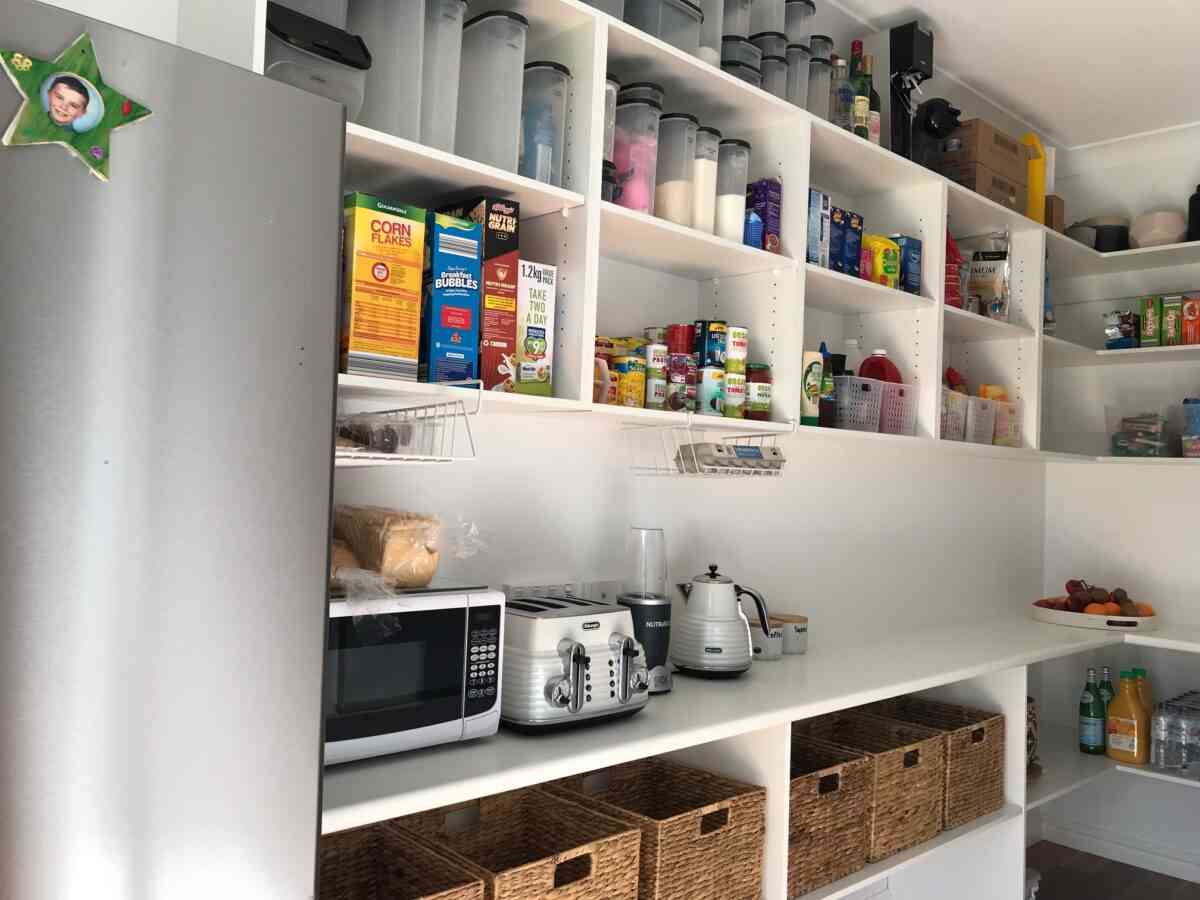
Your kitchen pantry is one of those spaces that can make or break your daily routine.
Walk into a messy, disorganized pantry filled with random snacks and expired items, and suddenly even making a simple lunch feels overwhelming. But set it up right? Everything flows easier.
The thing is, most of us stock our pantries on autopilot.
We buy the same stuff week after week without really thinking about whether it’s actually serving our household. And then we wonder why everyone’s always hungry an hour after eating, or why grocery bills keep climbing while the fridge stays empty.
Small changes to what you keep on hand can transform how your kitchen functions.
When you stock smarter options that actually satisfy people, you’ll find yourself making fewer emergency grocery runs and dealing with way fewer hangry family members.
For instance, keeping crunchy, protein-packed snacks like freshly-packed pork rinds on hand means people can grab something filling between meals without demolishing your dinner plans.
They’re shelf-stable, take up minimal space, and actually keep people satisfied.
The best part? You don’t need to overhaul your entire kitchen or spend a fortune.
Just a few intentional swaps and some better organization.
Why Your Pantry Setup Matters
Your pantry basically sets the tone for how smoothly your household runs.
When it’s well-stocked with things people actually want to eat, mornings are less chaotic, after-school snack time doesn’t turn into a negotiation, and weeknight dinners come together faster.
The opposite is also true.
A poorly organized pantry with nothing but half-empty boxes and random cans means more takeout orders, more trips to the store, and more food waste when things expire before you remember they exist.
If you’ve recently made a local move and you’re unpacking your kitchen, this is honestly the perfect time to rethink your pantry setup.
Instead of just shoving everything back on the shelves, take a minute to decide what actually deserves space in your new home.
The Hidden Pantry Problem
Here’s something that catches a lot of people off guard.
Those snacks marketed as “better-for-you” options? A bunch of them aren’t that different from regular junk food when you actually look at the labels.
Plenty of granola bars have as much sugar as candy.
Same with a lot of flavored yogurts and “natural” cereals.
Not saying you need to toss everything, but it’s worth checking what you’re actually buying.
The solution is just being a bit more aware and finding options that work better for your household.
Five Simple Pantry Swaps Worth Making
Here are five practical swaps that can make your pantry work better for your household.
Swap 1: Better Cooking Oils
If you’re still cooking with vegetable or canola oil, consider switching to avocado oil for high-heat cooking, olive oil for everyday use, and coconut oil for baked goods.
They cost a bit more upfront, but many people prefer the taste.
Swap 2: Lower-Sugar Condiments
Check your ketchup and barbecue sauce labels sometime.
You might be surprised how much sugar is in there. Switching to lower-sugar versions (or making your own) is a simple upgrade.
Swap 3: Actually Filling Snacks
Stock your pantry with snacks that hold people over until the next meal, like nuts, cheese, jerky, or those pork rinds we mentioned. Fewer hangry complaints between meals.
Swap 4: Mix Up Your Grains
Adding variety like whole grain pasta, quinoa, or cauliflower rice alongside your regular options gives you more flexibility for different meals.
Swap 5: Natural Sweeteners
If you use a lot of artificial sweeteners, try natural options like honey or maple syrup instead. Use them sparingly, but at least you know exactly what’s in them.
Organization Makes Everything Easier
How you organize your pantry is just as important as what you put in it.
Here’s a simple approach: put the stuff you use most often at eye level where everyone can see it. Those go-to snacks? Front and center.
Less frequently used ingredients? Higher shelves or back corners.
Clear containers aren’t just for the aesthetically pleasing pantry photos on Instagram.
They actually help you see what you have, which means less food waste and fewer “I swear we had that somewhere” moments.
According to the USDA, American households waste about 30-40% of the food supply, and a lot of that happens because we simply forget what’s in our pantries.
Label everything with dates so you’re not playing pantry roulette six months later.
Keeping It Budget Friendly
Upgrading your pantry doesn’t mean spending way more on groceries.
When you stock things that actually satisfy your household, you end up making fewer impulse buys and wasting less food. That balances out the cost pretty quickly.
Buy basics in bulk when they’re on sale.
Stock up on shelf-stable items you use regularly. And don’t feel like you need to change everything at once.
Start Small and Build From There
The easiest way to make this stick? Pick one or two swaps to try this week.
See how they work for your household. Then add more as you figure out what your family actually enjoys.
A well-stocked pantry makes your whole kitchen run smoother.
Less stress about what’s for dinner, fewer emergency store runs, and a space that actually works for how your household lives.
That’s worth the small effort it takes to set it up right.
