

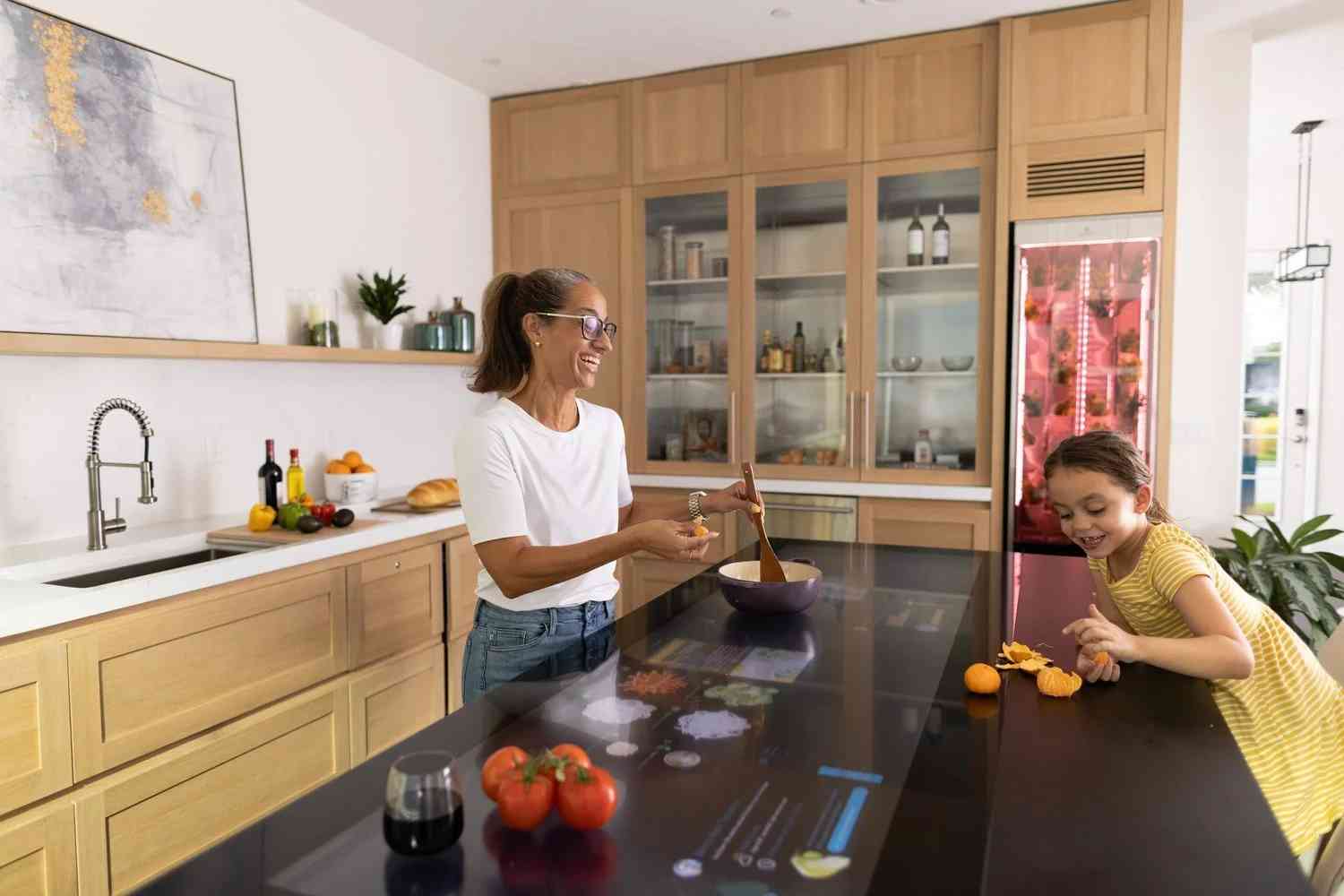
A new home offers a blank canvas.
Every room holds potential, but the kitchen carries special weight for families. It’s where mornings start and evenings wind down.
It’s where kids do homework while dinner simmers and where conversations happen over coffee.
How you design and organize this space shapes daily routines in ways that ripple through every aspect of family life, including how well everyone eats.
The connection between home design and family nutrition doesn’t get talked about enough. A well-organized kitchen makes healthy cooking feel effortless.
A chaotic one turns meal prep into a chore people avoid. Smart storage, intentional layouts, and designated zones for different activities transform the kitchen from a functional room into the engine of family wellness.
Kitchen Layout That Works for Real Family Life
Most kitchens get designed around the classic work triangle: stove, sink, and refrigerator. That’s fine for efficiency, but families need more than efficiency.
They need space for kids to participate, room for multiple people to work without colliding, and clear sightlines so parents can supervise while cooking.
Key layout considerations:
- Keep the path between the refrigerator and table clear since kids travel that route constantly
- Position the stove away from high-traffic areas to reduce accident risk
- Create a secondary prep zone where older children can help with age-appropriate tasks
Counter height matters too. Standard counters work fine for adults but leave kids unable to participate.
A lower section of counter, a sturdy step stool stored within reach, or a kitchen island with varied heights invites children into the cooking process.
Kids who help prepare food are more likely to eat it.
Pantry Organization That Supports Healthy Choices
The way you stock and organize your pantry quietly influences what your family eats. Items at eye level get grabbed first.
Things shoved to the back get forgotten and expire. Intentional organization puts healthy staples front and center while keeping treats present but not prominent.
Tips for a family-friendly pantry setup:
- Dedicate a low shelf to kid-accessible snacks like whole grain crackers, dried fruit, and portioned healthy options
- Group items by meal type: breakfast supplies in one zone, baking ingredients in another, and dinner staples in a third
- Use clear containers so you can see quantities at a glance and keep everything fresher longer
When kids can independently grab something healthy, they stop asking for alternatives, and parents stop negotiating over food choices.
Creating a Dedicated Meal Prep Station
Serious home cooks know the value of mise en place, having everything prepped and ready before cooking begins.
Families benefit from the same principle applied to their kitchen design.
Choose a section of counter near your refrigerator and keep it clear.
Store cutting boards vertically in a nearby rack for quick access. Keep your most-used knives in a block or on a magnetic strip within arm’s reach.
Position a small compost bin close by so scraps don’t pile up. This station becomes your launching pad for every meal.
If counter space is tight, consider a rolling kitchen cart that serves as a mobile prep station. Pull it out when cooking, and roll it aside when you need floor space.
Command Centers and Family Communication Hubs
The kitchen naturally becomes the information hub for busy households.
Leaning into this reality with intentional design keeps everyone on the same page.
Designate a wall or cabinet section for a family command center.
A magnetic board can hold the week’s meal plan, school schedules, and important reminders.
Add a small whiteboard for grocery lists that anyone can update when they notice something running low.
This command center also serves as the go-to spot for caregivers who help out. Grandparents, babysitters, and anyone stepping in to cover meals can find everything they need in one place.
Posting a detailed babysitter checklist with meal preferences, allergies, and approved snacks means helpers can confidently feed your kids without calling for every decision.
The Dining Space as Wellness Anchor
Where and how your family eats matters as much as what you eat.
A dedicated dining space anchors daily routines and creates opportunities for connection that scattered eating can’t replicate.
Elements of an inviting family dining area:
- Table shape: Round tables encourage conversation; rectangular tables work better for larger families
- Comfortable seating: Rushed meals happen at uncomfortable tables
- Lighting: A pendant light with a dimmer lets you shift from bright task lighting to warmer dinner ambiance
- Clear surfaces: A clutter-free table signals the space is ready for its purpose
Natural light from nearby windows makes daytime meals more pleasant and can even influence appetite and mood.
Managing Transitions Without Losing Ground
Moving into a new home throws routines into chaos.
Kitchens take time to unpack. Regular grocery shopping falls apart.
The temptation to live on takeout runs strong when you’re exhausted from boxes and logistics.
Having help during this period makes a real difference.
Working with a professional moving service frees up physical and mental energy that would otherwise go toward hauling furniture.
That preserved energy can go toward setting up your kitchen properly from the start rather than just shoving things into cabinets.
Unpack the kitchen early, even before the living room.
A functional kitchen restores normalcy faster than any other room. The sooner your kitchen works, the sooner your whole household finds its rhythm.
Building Routines That Stick
A new home offers the chance to establish habits without fighting existing patterns. The routines you build in the first few months tend to persist, so being intentional pays long-term dividends.
Habits worth establishing early:
- Set a consistent dinner time and treat it as non-negotiable
- Involve kids in meal planning by letting them choose one dinner per week
- Create a visible meal calendar so everyone knows what’s coming
- Batch cook on weekends to set up weeknight success
Store prepped ingredients in clear containers so you can see what’s available.
A well-stocked fridge full of ready components turns dinner from a thirty-minute production into a ten-minute assembly job.
Your home shapes your habits more than most people realize.
A kitchen designed for family wellness, organized for efficiency, and anchored by a welcoming dining space doesn’t just look good. It actively supports the daily routines that keep everyone fed well and connected.
That’s the kind of home worth building.
