

Okay so I’ve been noticing something lately.
The 90s are back, and I mean really back.
Not just in fashion or music, but in how people are decorating their homes. And honestly? I’m kind of here for it.
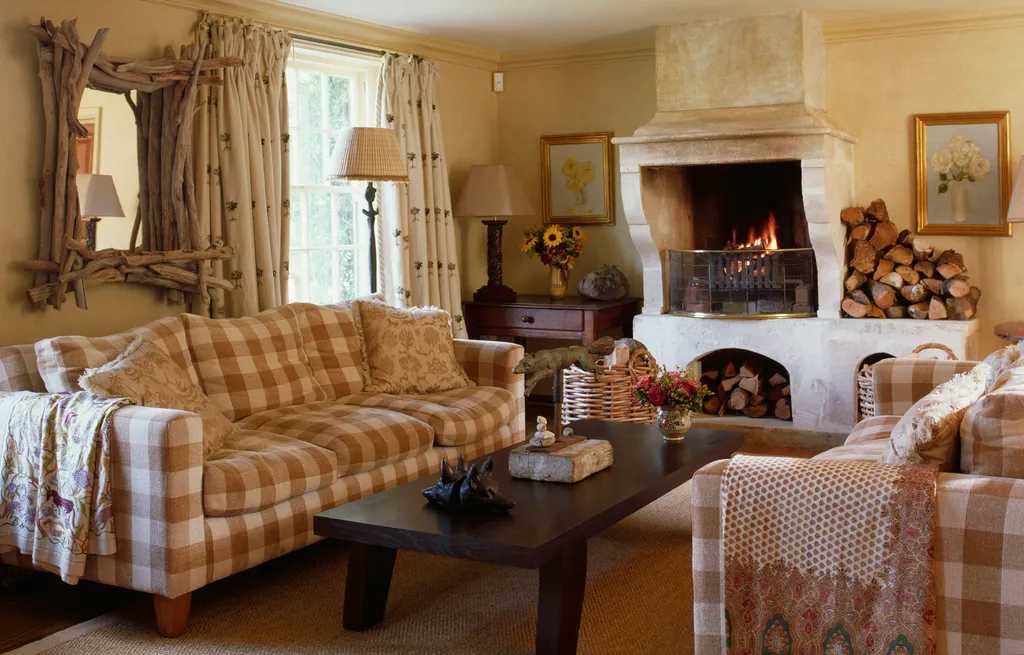
If you grew up in the 90s or early 2000s, you probably remember those cozy living rooms with oak everything, floral couches, and those entertainment centers that took up entire walls. Back then, homes felt warm.
They felt lived in. There was this softness to everything that we sort of lost when we all went minimalist and gray.
Now don’t get me wrong. I’m not saying you should recreate your childhood home exactly as it was.
That’s not what this is about. But there’s something really special about cherry-picking the best parts of 90s design and bringing them into your space in a way that feels fresh. Because honestly, after years of stark white walls and cold gray everything, people are craving warmth again.
So today I’m breaking down eight key elements of 90s home design that you can actually use right now to make your space feel cozier, more personal, and way less like a hotel lobby.
If you’ve been feeling like your home is missing something, this might be exactly what you need.
Warm Wood Finishes and Oak Furniture
Let’s start with the big one. Wood. But not just any wood, I’m talking about that honey-toned oak and cherry wood that was absolutely everywhere in the 90s.
Now I know what you’re thinking.
You’re probably remembering those super orangey oak cabinets, and yeah, some of it was a bit much. But here’s the thing, that warmth is exactly what’s missing from a lot of modern homes.
We went so hard in the other direction with gray and white washed everything that our spaces started feeling cold.
You don’t need to install oak cabinets throughout your entire kitchen. That’s not realistic for most people, and it’s also not necessary.
What you can do is bring in smaller wood pieces that have that warm undertone. A solid oak coffee table.
A vintage dresser with that beautiful grain showing through. Maybe some floating shelves in a warm wood tone.
I picked up this amazing oak side table from an estate sale last month, and it completely changed the vibe of my bedroom.
Cost me like forty bucks. It sits next to my bed, and every morning when I wake up, I see that warm wood grain, and it just feels good. Feels like home.
The trick is balancing it. If your space is currently very cool toned, you don’t want to go overboard and make it feel like a cabin.
Start with one or two pieces and see how they feel.
Wood furniture also ages beautifully, which is something you can’t say about a lot of modern materials.
And here’s something most people don’t think about: wood finishes don’t all have to match.
In the 90s, people would mix oak with pine with cherry, and it worked because they were all warm.
So don’t stress about finding the exact same wood tone for everything. As long as it’s warm, it’ll tie together.
Floral and Patterned Upholstery
Alright, this one might make some of you nervous. Floral upholstery. I know, I know.
You’re picturing your grandma’s couch with those big cabbage roses. But stay with me here.
Patterns are making a serious comeback, and for good reason. They add personality. They add life.
A solid gray couch is fine, but it’s also kind of boring? There, I said it.
The 90s were all about patterns. Floral, yes, but also plaids, stripes, geometric prints.
People weren’t afraid to have a patterned sofa or armchair. And you know what? Those rooms felt collected. They felt interesting.
Now you definitely don’t have to reupholster your entire sofa in a floral print.
That’s a commitment. But what about throw pillows? What about one accent chair? I recently added this chair to my living room that has this really subtle botanical print, more leaves than flowers actually, and it completely changed how the room feels. Suddenly there’s movement. There’s something to look at.
If you’re nervous about going full floral, start with smaller patterns.
A plaid throw blanket. Some striped cushions. Even just one patterned piece can warm up a space that feels too plain. And the beauty of pillows and throws is you can switch them out.
If you get tired of the pattern in three months, no big deal. Swap it out for something else.
But I do think we need to get over this fear of pattern.
Not everything has to be solid neutrals. Your home should reflect your personality, and unless you’re an extremely beige person, your personality probably has some pattern to it.
Wallpaper Feature Walls
So wallpaper is having a moment. Actually, it’s been having a moment for a few years now, but people are finally starting to really run with it.
In the 90s, wallpaper was everywhere. Sometimes it was… a lot.
Those busy borders near the ceiling, the matching wallpaper in every room. But the concept was good. Walls don’t have to be blank.
The modern take is doing one feature wall.
Pick the wall behind your bed, or the wall your sofa sits against, or maybe that awkward little hallway that needs something. One wall, papered, the rest painted.
And the prints available now are incredible.
You can find vintage-inspired florals that feel very 90s but updated.
There are textured wallpapers that add warmth without being too busy.
Grasscloth is huge right now and it’s perfect if you want texture without pattern.
I papered the wall behind my headboard last year and I’m obsessed.
It took like three hours and completely transformed the room. Made it feel intentional.
Made it feel designed. And every time someone comes over they comment on it.
It’s an easy way to make a statement without committing to painting your whole room some wild color.
If you’re renting or just commitment-phobic, peel and stick wallpaper exists now. It’s removable.
So you literally have no excuse not to try it.
The 90s taught us that walls can be interesting.
They don’t just have to be white or beige backdrops. They can be part of the design.
Brass and Gold Hardware
Okay this is one of those things that seems small but makes a massive difference. Hardware.
In the 90s, everything was brass. Doorknobs, cabinet pulls, light fixtures.
Then somewhere around 2005, everyone decided brass was ugly and switched to brushed nickel and chrome. And then everything went matte black.
But brass is back. And I love it.
There’s something about warm metal tones that just makes a space feel more expensive and more finished. It catches the light differently.
It adds this subtle glow.
Now you don’t have to replace every piece of hardware in your house. That would be expensive and honestly exhausting. But what about just your kitchen cabinet pulls? Or the knobs on your dresser? Or switching out a light fixture?
I swapped all the hardware in my bathroom to brass last year.
Took maybe an hour and cost less than a hundred bucks. That bathroom looks completely different now. Feels more elevated. Feels warmer.
And here’s the cool thing about brass, it doesn’t have to be shiny. There’s aged brass, antique brass, brushed brass.
They all have slightly different looks but they all add warmth.
So you can find one that works with your style.
Gold faucets are also making a comeback in a big way.
If you’re renovating a bathroom or kitchen, consider going with a brass or gold finish instead of chrome. It’s a small choice that makes a big impact.
Think about using hunter or sage green in decorative pieces, like poster size picture frames to display family photos or artwork.
When you pair those deeper green tones with brass or gold frames, it creates this really rich, layered look that feels very 90s in the best way.
Layered Window Treatments
This is something we really lost. Window treatments used to be a whole thing.
People had curtains and valances and sometimes even shades underneath. It was layered. It was soft. It made rooms feel cozy.
Now everyone just has those plain roller shades or nothing at all. And look, I get it.
Minimalism was in. But standing in a room with bare windows feels cold. It feels unfinished.
You don’t need to go full 90s with the scalloped valances or anything. But adding curtains makes such a difference.
It softens the hard edges of windows. It adds texture. It makes rooms feel more pulled together.
I like doing a shade or blind for privacy and then curtains over the top for softness.
The curtains can be sheer, they can be linen, they don’t have to be heavy. But having that fabric element around your windows changes the whole feel of a room.
And if you want to go a little more 90s with it, try layering different fabrics.
A Roman shade with side panels. Or double curtain rods with a sheer layer and a heavier layer. It creates depth.
The 90s understood that windows are architectural features, not just holes in the wall that need to be covered.
Treating them with a little more intention makes your space feel more designed and way more warm.
Built-In Entertainment Units and Shelving
Okay so this one is interesting. Built-ins were massive in the 90s.
Every living room had some kind of entertainment center, usually wood, usually taking up an entire wall. And while those specific entertainment centers feel dated now because we don’t have giant box TVs anymore, the concept of built-in storage and display is actually really smart.
Built-ins add architecture. They add character.
They give you a place to display things that matter to you, which makes your home feel personal.
Now you might be thinking, I can’t just add built-ins to my house. And yeah, if you’re renting or don’t want to renovate, actual built-ins aren’t realistic. But you know what achieves a similar look? Bookcases flanking something.
Open shelving. Even just a really good console with storage.
The point is having dedicated space to display your stuff. Your books, your photos, your collections.
The 90s were big on display, and I think we need to bring that back.
We got so minimalist that we stopped putting things out.
Everything got hidden away. And while I appreciate a clean surface, I also think homes should show who lives in them.
I have these two tall bookcases on either side of my TV, and I style them with books and plants and little objects I’ve collected.
It makes that whole wall feel intentional. It makes the TV feel less like this big black rectangle and more like part of a designed space.
If you have the budget and you own your place, actual built-ins are amazing.
They add value to your home and they’re custom to your space. But even the fake-it version with freestanding furniture can work.
Cozy Reading Nooks and Conversation Corners
This is one of my favorite things about 90s homes. They had zones.
Not everything was open concept. There were little corners set up for specific purposes.
A reading chair by the window. A conversation area separate from the TV area. It made homes feel cozier.
We’ve been so obsessed with open floor plans that we forgot rooms can have multiple purposes and multiple seating areas.
You don’t have to arrange all your furniture facing the TV. You can create a little nook.
I have this corner in my bedroom with a chair and a lamp and a small side table. That’s my reading spot.
It’s maybe three feet by three feet, but it’s designated.
When I sit there, I’m not on my phone, I’m not watching TV, I’m reading. Having that dedicated spot makes me actually use it.
You can do this in a living room too. If you have space, put a chair and a small table in a corner. Add a lamp.
Put a basket next to it for blankets or magazines.
Suddenly you have a cozy corner that invites you to sit and relax in a different way than your sofa does.
The 90s understood that homes should have these little moments.
These spots that make you want to curl up. Everything doesn’t have to be about efficiency and flow.
Sometimes a corner that’s just for sitting and thinking is exactly what a home needs.
Decorative Accessories and Personal Displays
And finally, let’s talk about accessories. The stuff you put on shelves and mantels and coffee tables.
The 90s went hard on accessories. Sometimes too hard, I’ll admit. But the spirit of it was right.
Your home should have things in it that mean something to you.
Photos in actual frames, not just on your phone. Souvenirs from trips. Books you’ve actually read. Collections of things you love.
We spent so much time recently trying to make our homes look like magazine spreads or Instagram photos.
Everything styled within an inch of its life, usually with the same three items: a plant, a candle, and a stack of books you’ve never opened. It’s boring. It’s generic.
90s homes felt personal because people displayed their lives. Family photos everywhere.
Collections of figurines or plates or whatever they were into. It wasn’t always tasteful, but it was real.
You don’t have to go overboard. You don’t need fifty picture frames on every surface. But having more personal items visible makes your home feel like yours.
Print some photos. Put them in frames. Display them.
I have this whole gallery wall of family photos in mismatched frames, some old frames I inherited, some new ones.
It’s not perfectly symmetrical or designed, but every single time I walk past it I smile. That’s what your home should do. It should make you feel something.
Bring out the things you love. If you collect something, display it.
If you have artwork from your kids or nieces or nephews, frame it and put it up.
Your home is supposed to reflect your life, not look like a staged listing.
Conclusion
So there you have it. Eight ways to bring 90s warmth into your home without making it feel like a time capsule.
The thing about 90s design is it prioritized comfort and personality over trends.
Rooms were designed to be lived in, not just looked at. And I think that’s what people are craving now.
We’re tired of homes that feel like showrooms. We want spaces that feel warm and personal and cozy.
You don’t have to do all eight of these things. Pick one or two that speak to you.
Maybe start with some warm wood furniture or swap out your hardware.
Add a patterned throw pillow. Put up some wallpaper. Small changes add up.
Your home should make you feel good.
It should feel like a hug when you walk in the door. And if these 90s-inspired ideas help you get there, then they’re worth trying.
Don’t worry about what’s trendy or what some design blog says you should do.
Pay attention to what makes your space feel more like home to you.
The 90s got a lot of things right when it came to creating warm, inviting spaces. And honestly? We could all use a little more of that warmth right now.
