
Close Menu
Corby Homes
  • Home Decor
    • Design Ideas
  • Gardening
  • Home Improvement
  • Celebrity House
  • Reviews

Subscribe to Updates

Get the latest creative news from FooBar about art, design and business.

What's Hot

8 Things to Consider When Upgrading Your Home Appliances

18 January 2026

Beyond the Spray: Technical and Environmental Dimensions of Modern Pressure Washing

15 January 2026

The Science and Practice of Window Cleaning: Clarity, Care, and Long-Term Value

14 January 2026
Facebook X (Twitter) Instagram
Corby Homes
Subscribe
  • Home Decor
    • Design Ideas
  • Gardening
  • Home Improvement
  • Celebrity House
  • Reviews
Corby Homes
You are at:Home»Home Improvement»8 Things to Consider When Upgrading Your Home Appliances
Home Improvement

8 Things to Consider When Upgrading Your Home Appliances

Jane CorbyBy Jane Corby18 January 2026No Comments12 Mins Read
Facebook Twitter Pinterest LinkedIn Tumblr Email
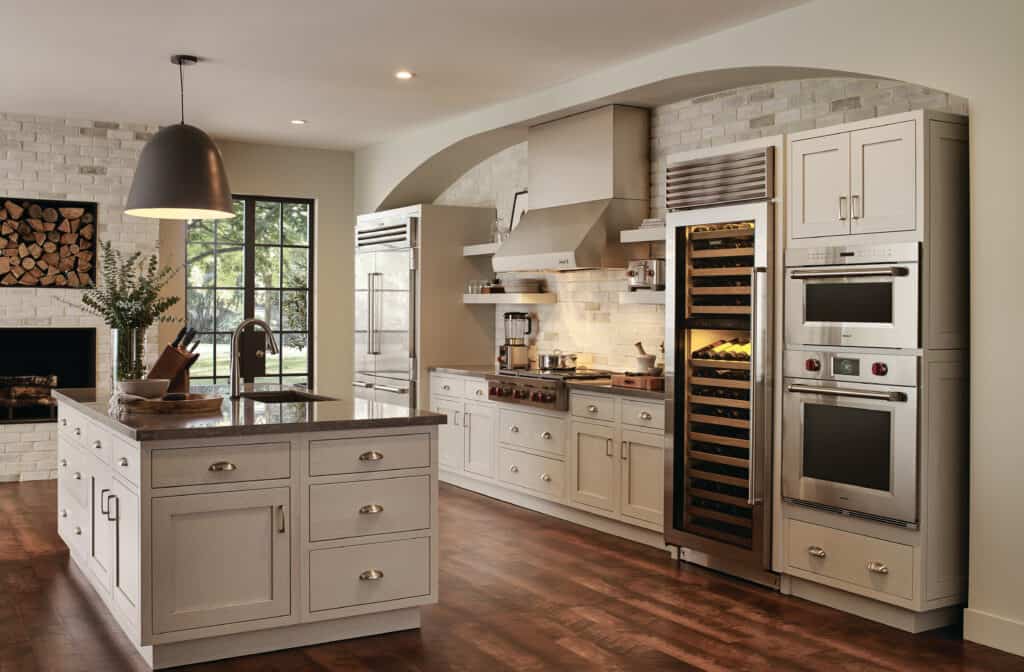
classic-U-shaped-enclosed-kitchen-and-space-features-white-panel-cabinets-with-cup-handle-and-integrated-stainless-steel-appliances
Share
Facebook Twitter Pinterest WhatsApp Email

So you’re thinking about upgrading your appliances.

Good for you. Or maybe not good for you because honestly, it can be a bit of a headache if you don’t know what you’re looking at.

I’ve been writing about homes and interiors for over 15 years now, and I can tell you that the appliance conversation comes up more than you’d think.

People get excited about new countertops and paint colors, sure, but then they realize their fridge from 2005 is making that weird noise again and suddenly we’re having a different conversation.

Here’s the thing. upgrading appliances isn’t just about picking the shiniest model in the showroom.

There’s actually a lot to think about. Some of it matters a lot, some of it matters less than you think. Let me walk you through what actually deserves your attention.

What To Consider When Upgrading Your Home Appliances

Look, I’m going to be straight with you from the start.

Every home is different. What works in a 3,000 square foot house with a massive new kitchen isn’t going to be the same as what makes sense in a 900 square foot condo.

So when I say “consider these things,” I mean actually sit down and think about your specific situation. Not your neighbor’s. Not what you saw on that home tour. Yours.

Energy Efficiency and Utility Savings

Alright, energy efficiency. Everybody talks about it. Not everybody understands what it actually means for their wallet.

Here’s what I’ve learned talking to actual homeowners who tracked this stuff. The yellow EnergyGuide sticker? That’s not just decoration.

Those numbers matter, but you have to do some basic math to figure out if they matter enough.

Let’s say you’re looking at a refrigerator.

An energy-efficient model might cost you $200 more upfront. But if it saves you $8 a month on electricity compared to the cheaper model, you’re looking at roughly 25 months to break even.

After that, you’re pocketing the difference. Over a 10-year lifespan, that could be $700-800 in your pocket instead of the utility company’s.

Now refrigerators run 24/7, so the savings add up faster there.

A dishwasher that you run maybe five times a week? The math is different. Still worth looking at, but maybe it’s not your deciding factor.

The newer models with that Energy Star certification typically use about 10-15% less energy than standard models.

Sometimes more. I’ve seen some washing machines that use 40% less water than older top-loaders. That’s real money if you’re in an area with high water costs.

But here’s something people miss.

If you’re replacing a fridge from 1995, pretty much anything new is going to be more efficient.

The jump is huge. If you’re replacing one from 2018, the difference is there but it’s smaller. Know what you’re comparing against.

Appliance Size and Space Requirements

This one seems obvious until it isn’t.

I remember talking to a homeowner who bought this gorgeous range online.

Beautiful thing. Got it delivered and guess what? It didn’t fit. Not even close.

The space was 30 inches, the range was 32. Now they’re dealing with returns, restocking fees, the whole mess. Could’ve been avoided with a tape measure and five minutes.

Measure your space. Write it down. Measure again because you probably got it wrong the first time. I’m serious.

But it’s not just about the appliance fitting into the hole in your counter.

You need clearance. Refrigerators need breathing room or they overheat and break down faster.

Check the manufacturer specs for how much space they need on the sides and back. Usually it’s an inch or two, but some models need more.

French door refrigerators need space for those doors to swing open.

If you have a kitchen island close by, you might not be able to open them all the way.

Stand in your kitchen and think about the actual swing path. I’ve seen people install beautiful new fridges and then realize they can’t open the door past 90 degrees because of their layout.

Counter depth versus standard depth is another thing.

Counter depth looks sleek, sits flush with your cabinets. But you lose interior space.

Sometimes a lot of it. If you’ve got a family of five and you’re meal prepping, that lost space might bother you more than the aesthetics help you.

Compatibility With Existing Electrical and Plumbing Systems

Okay this is where things can get expensive if you’re not careful.

Most dishwashers and fridges run on standard 120-volt outlets.

Ranges and dryers? Different story. Electric ranges typically need 240-volt connections.

If you’re switching from gas to electric or vice versa, you’re looking at additional work.

That’s an electrician. That’s permits in some areas. That’s money you might not have budgeted for.

Gas ranges need a gas line.

Seems obvious, but if you’re going from electric to gas and you don’t have a line there already, you’re running new gas lines. That’s a plumber. More money.

Water lines for refrigerators with ice makers and water dispensers.

If your old fridge didn’t have those features, you might not have a water line. Running one isn’t impossible but it’s another cost to factor in.

And here’s one people forget about. the electrical capacity of your home.

Older homes might not have the electrical panel capacity to handle a bunch of new high-efficiency appliances all at once.

I’m not saying this to scare you, but if you’re upgrading everything at once, talk to an electrician first. Make sure your panel can handle it.

Voltage requirements matter. Amperage matters.

If you don’t know what those things mean, find someone who does before you buy.

Smart Features and Technology Integration

Smart appliances are everywhere now.

Your fridge can tell you when you’re out of milk. Your oven preheats from your phone. Your washing machine sends you a text when the load is done.

Cool? Sure. Necessary? That’s up to you.

I’ve talked to people who love their smart appliances.

The convenience factor is real for them.

Being able to preheat the oven on your way home from work, checking if you closed the fridge door from the grocery store, getting alerts when the dishwasher cycle finishes. For busy families, this stuff can be legitimately helpful.

But I’ve also talked to plenty of people who bought the smart model, connected it once, and never used the features again. They paid extra for capabilities they don’t touch.

Here’s my take. If you know you’ll use it, great.

If you’re buying it because it seems like the future and you should probably have it, maybe save your money. The non-smart version does the same basic job.

One thing to watch though. Some of these smart features require apps and cloud services.

If the company decides to stop supporting that app in five years, your smart features might stop working.

The appliance still functions, but you lost what you paid extra for. It’s happened before.

Also, Wi-Fi connectivity means another thing that can break or malfunction. More complexity, more potential failure points. Just something to keep in mind.

Budget, Financing, and Long-Term Value

Let’s talk money because that’s usually what it comes down to anyway.

Appliances are expensive. A good refrigerator can run you anywhere from $1,000 to $4,000 or more if you’re going high-end. Ranges, dishwashers, washers and dryers, it all adds up fast.

If you’re doing a whole kitchen, you could be looking at $10,000 easily.

So how do you approach this without emptying your savings?

First, figure out your actual budget. Not the “well, if everything goes perfectly” budget. The real one. What can you spend without stressing about it?

Second, prioritize. If your fridge is dying but your dishwasher is fine, start with the fridge. Don’t replace everything at once unless you have to or you’ve got the budget for it.

Third, look at financing options if you need to.

A lot of appliance stores offer financing plans.

Sometimes interest-free for 12 or 24 months if you qualify. That can make sense if you’re disciplined about paying it off in that timeframe. If not, the interest can eat you alive.

Here’s something interesting. Compared to what traditional lenders offer, loans from digital banks like Maya typically have fewer requirements, faster approval times, and more flexible repayment options.

Just another route to consider if you need financing and the store options don’t work for you.

But honestly, think long-term value, not just upfront cost.

A cheap dishwasher that breaks in three years and costs $400 in repairs isn’t actually cheaper than a reliable one that costs more upfront but runs for ten years with minimal issues. Do the math over the expected lifespan.

Quality matters. Brand reputation matters, which brings me to…

Brand Reputation, Warranty, and Reliability

Some brands have earned their reputation. Some are coasting on what they used to be.

I’m not going to bash specific brands here because things change.

A brand that had problems five years ago might have fixed them.

A brand that was reliable might have cut corners. But do your research on current models, not what your parents bought in 1987.

Look at recent reviews. Not just the star rating, read what people actually say. Look for patterns. If a bunch of people mention the same failure point, that’s a red flag.

Warranty coverage tells you something about how confident a manufacturer is in their product.

A longer warranty usually means they expect fewer failures. But read the fine print. What’s actually covered? Labor and parts or just parts? How long?

Some manufacturers offer extended warranties. Sometimes they’re worth it, sometimes they’re not. Depends on the appliance and the cost.

Reliability data exists if you look for it. Consumer Reports tracks this stuff.

They survey thousands of members about their appliances and which ones break. It’s not perfect but it’s better than guessing.

Here’s my bias showing. I trust brands that have been making appliances for decades more than companies that jumped into appliances recently.

There’s a learning curve to building reliable appliances, and experience counts for something.

Maintenance, Repairs, and Availability of Service

An appliance is only as good as your ability to fix it when it breaks.

Because it will break eventually. Nothing lasts forever. The question is how easy is it to fix and how much will it cost?

Some brands have service centers everywhere.

You call, they send someone out within a couple days, they have the parts in their truck, done.

Other brands, you’re waiting three weeks for a part to ship from overseas, and only two technicians in your city will even touch that brand.

Before you buy, especially if you’re looking at a less common brand, call a local appliance repair service. Ask them what they think.

Ask if they service that brand. Ask what parts availability is like. They’ll tell you straight because they don’t make money if they can’t fix your stuff.

European brands can be fantastic quality but parts sometimes take longer to get in North America. Just something to factor in.

Also think about maintenance requirements.

Some appliances need more babysitting than others.

Front-load washers need regular cleaning to prevent smell and mold. Water filters in fridges need replacing. If you’re not going to do the maintenance, don’t buy the appliance that requires it.

Read the manual. I know, nobody wants to. But at least skim it so you know what you’re supposed to do to keep the thing running.

Environmental Impact and Sustainability

Last thing, and I know some people care about this more than others.

Appliances have an environmental footprint. Manufacturing them uses resources and energy. Running them uses energy and water. Disposing of them creates waste.

If this matters to you, and honestly it probably should matter at least a little, there are ways to make better choices.

Energy Star certified appliances use less energy. That’s good for your wallet and the environment. Win-win.

Water usage on washing machines and dishwashers varies widely.

Some new dishwashers use as little as 3 gallons per cycle. Older ones might use 10 or more. That adds up over thousands of cycles.

Look at what the appliance is made from.

Some manufacturers use recycled materials. Some design for easier recycling at end of life. This information is getting easier to find.

Lifespan matters too. An appliance that lasts 15 years is more sustainable than one that lasts 5, even if the shorter-lived one is slightly more efficient.

You’re not manufacturing and disposing of things as often.

And here’s a thought. Sometimes the most sustainable choice is fixing what you have instead of buying new. If your current appliance is working fine, upgrading just for the sake of it might not be the best environmental choice. But if it’s on its last legs and inefficient, replacing it can make sense.

Wrapping This Up

So there you have it. Eight things that actually matter when you’re upgrading appliances.

Look, at the end of the day, you have to buy what makes sense for your situation.

Your budget, your space, your needs. I can give you things to think about, but you’re the one who has to live with these appliances every day.

Take your time. Measure twice. Read reviews. Ask questions.

Don’t let a salesperson pressure you into something you’re not sure about.

And whatever you do, keep the receipt and the manual. You’ll thank me later.

Good luck with your upgrades. Hope they treat you well.

Jane Corby
Jane Corby

Jane Corby is an experienced interior designer and the founder of Corby Homes, a leading home decor magazine. With over 10 years of experience in the industry, Jane knows about design aesthetics and a deep understanding of the latest trends. Over the time, she has worked as a freelance writer for TheSpruce, ArchitecturalDigest, HouseBeautiful, and RealHomes.

Related Posts

Beyond the Spray: Technical and Environmental Dimensions of Modern Pressure Washing

By Jane Corby15 January 2026

The Science and Practice of Window Cleaning: Clarity, Care, and Long-Term Value

By Jane Corby14 January 2026

How Clean Windows Can Increase Your Home’s Value

By Jane Corby14 January 2026

Why Locals in Laguna Hills Trust Their Plumber For Urgent Leak Repairs

By Jane Corby13 January 2026
Add A Comment
Leave A Reply Cancel Reply

Stay In Touch
  • Facebook
  • Twitter
  • Pinterest
  • Instagram
  • YouTube
  • Vimeo
Our Picks

8 Things to Consider When Upgrading Your Home Appliances

18 January 2026

Beyond the Spray: Technical and Environmental Dimensions of Modern Pressure Washing

15 January 2026

The Science and Practice of Window Cleaning: Clarity, Care, and Long-Term Value

14 January 2026

How Clean Windows Can Increase Your Home’s Value

14 January 2026

Subscribe to Updates

Get the latest creative news from SmartMag about art & design.

Don't Miss

8 Things to Consider When Upgrading Your Home Appliances

By Jane Corby18 January 2026

So you’re thinking about upgrading your appliances. Good for you. Or maybe not good for…

Beyond the Spray: Technical and Environmental Dimensions of Modern Pressure Washing

15 January 2026

The Science and Practice of Window Cleaning: Clarity, Care, and Long-Term Value

14 January 2026

How Clean Windows Can Increase Your Home’s Value

14 January 2026
Our Picks

8 Things to Consider When Upgrading Your Home Appliances

By Jane Corby18 January 2026

Beyond the Spray: Technical and Environmental Dimensions of Modern Pressure Washing

By Jane Corby15 January 2026

The Science and Practice of Window Cleaning: Clarity, Care, and Long-Term Value

By Jane Corby14 January 2026
About CorbyHomes

corbyhomes.com logo

CorbyHomes is a home decor and interior design platform that shares useful insights with the world. Our major focus is to inspire people to decorate their home, with budget friendly ideas

Latest Posts

8 Things to Consider When Upgrading Your Home Appliances

18 January 2026

Beyond the Spray: Technical and Environmental Dimensions of Modern Pressure Washing

15 January 2026

The Science and Practice of Window Cleaning: Clarity, Care, and Long-Term Value

14 January 2026

Subscribe to Updates

Get the latest news from GossipMag about art, fashion and celebrities.

Facebook X (Twitter) Instagram Pinterest TikTok
  • About
  • Privacy Policy
  • Terms & Conditions
  • Contact
  • Editorial Policy
  • Write For Us
© 2026 CorbyHomes, All Rights Are Reserved.

Type above and press Enter to search. Press Esc to cancel.