

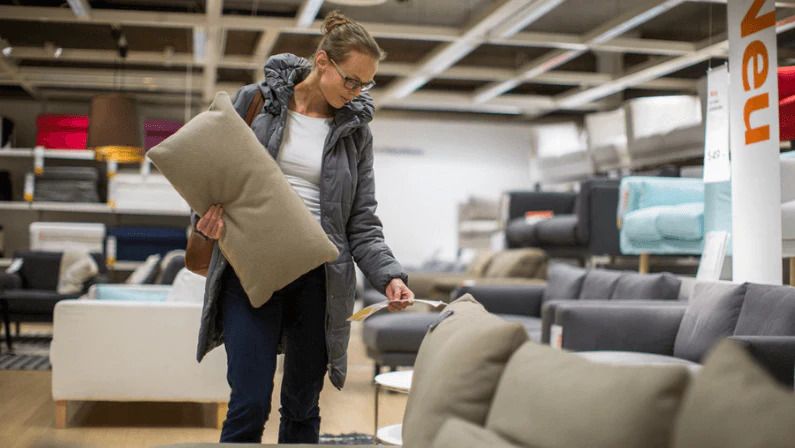
So you’re ready to buy furniture for your home.
Maybe you just moved in, or you’re finally replacing that couch that’s been falling apart for the last three years. Either way, you want to get it right this time.
I’ve been writing about homes and interiors for over 15 years now.
I’ve walked through celebrity mansions, toured model homes, and talked to more interior designers than I can count. And you know what? The mistakes people make when buying furniture are pretty much the same whether you’re furnishing a starter apartment or a multi-million dollar estate.
Here’s the thing. Buying furniture shouldn’t feel like pulling teeth. But it does for a lot of people because they skip the basics.
They get excited, they see something pretty, and boom—they buy it.
Then it shows up, and it’s too big. Or it’s uncomfortable. Or it just looks… wrong.
I’m going to walk you through the five biggest mistakes I see people make when choosing home furniture. These aren’t just random observations.
These are the patterns I’ve noticed after years of covering this stuff, talking to professionals, and yeah, making some of these mistakes myself.
Common Mistakes To Avoid When Choosing Home Furniture
Let me save you some time, money, and a whole lot of frustration.
Ignoring Room Measurements
This one drives me crazy because it’s so easy to avoid, yet people still do it all the time.
You see a couch online. It looks perfect.
The color is right, the style matches what you’ve been picturing.
You order it. It arrives. And then you realize it’s way too big for your living room. Now you can’t walk around it properly, and it makes the whole space feel cramped.
I’ve seen this happen more times than I can count. People eyeball their spaces.
They think they have a good sense of how big things are. But our eyes lie to us, especially in empty rooms or rooms that are currently furnished differently.
Measure your space before you shop. Write those numbers down.
Keep them in your phone. I’m serious about this—take a photo of your measurements so you always have them handy.
But don’t just measure the room. Measure doorways. Measure hallways.
Measure the elevator if you live in an apartment building. That beautiful sectional isn’t going to do you any good if it can’t physically get into your home.
Moving companies have seen furniture returned because it literally couldn’t fit through the front door, and the delivery guys refused to cut it apart.
Here’s something most people don’t think about: measure the space around where the furniture will sit. You need walking room. You need space to open drawers.
If you’re buying a dining table, you need space to pull the chairs out.
A good rule is at least 30 inches between furniture pieces for comfortable movement, but honestly, I prefer 36 inches when possible.
Also, think vertical. Ceiling height matters, especially with tall bookcases or entertainment centers.
I once covered a home where the owners had to return a gorgeous bookshelf because they measured the wall width but forgot about the ceiling slope in their old house.
And one more thing on this—measure the furniture you already own that you’re keeping.
You’d be surprised how many people forget to account for their existing pieces when planning new layouts.
Prioritizing Style Over Comfort
Oh, this one. This is where I see people get themselves into trouble constantly.
That modern accent chair looks stunning.
The lines are clean, the color is perfect, it fits your aesthetic vision. But have you actually sat in it for more than 30 seconds? Because if you haven’t, you might be in for a rude awakening.
I get it. We all want our homes to look good.
I spend my days photographing and writing about beautiful spaces. But a beautiful chair that you never want to sit in is just an expensive decoration.
Comfort should always come first, especially for pieces you use regularly, such as sofas, chairs, or bed frames.
Think about how you actually live. If you spend three hours every evening on your couch watching TV or reading, that couch better be comfortable.
I don’t care how good it looks in photos. Your back is going to remind you every single day if you chose wrong.
Test furniture in person when you can. Sit on that couch for a while.
Lean back. Shift positions. Does the cushion depth work for your legs? Can you get up easily? (This matters more than young people think—trust me, your future self will thank you.)
For dining chairs, sit at the table height you’ll actually have.
Stay there for a few minutes. Imagine eating a full meal. Do your legs have room? Is the back support where you need it?
Beds are trickier because you can’t really test them properly in a store. But you can at least lie down, roll around a bit, see how the mattress responds.
Some stores have better return policies for mattresses for this exact reason.
I interviewed a designer once who told me about a client who insisted on these gorgeous but rock-hard dining chairs.
The client hosted a dinner party, and by dessert, everyone was squirming. The chairs looked great in photos, but no one wanted to sit in them for more than 20 minutes.
Style matters. Of course it does. But comfort is what you’ll live with every single day.
Overlooking Quality and Durability
This mistake usually comes from budget pressure. I understand that. Furniture is expensive.
But here’s what happens. You buy the cheap option because you need to furnish your whole place quickly. Fast forward two years, and that coffee table is falling apart.
The couch cushions have permanent butt dents. The dresser drawers stick.
Now you’re buying replacements. And suddenly that “cheap” option cost you more in the long run.
Quality furniture lasts. I mean really lasts. My parents still have the dining table they bought 30 years ago.
It’s solid wood, well-made, and it looks better now than some of the particle board stuff I see in stores today.
Look for solid construction. Real wood, not veneer over particle board. Dovetail joints in drawers.
Furniture that feels heavy and solid, not flimsy.
Check how pieces are put together. If it’s all screws and no joinery, that’s a red flag. If the finish looks thin or cheap, it probably is.
For upholstered pieces, look at the frame. A good couch has a hardwood or metal frame, not softwood or plastic. The cushions should bounce back when you press them.
If there’s a sag in the store, imagine what it’ll look like after a year of daily use.
One designer I know always says to look at floor models. If a piece has been in the store for months and still looks decent, that’s a good sign. If it’s already looking rough, walk away.
Fabric quality matters too. Natural fibers usually last longer, though they might need more care.
Cheap polyester can pill and wear in high-use areas. If you have kids or pets, think about durability and cleanability together.
I’m not saying you need to spend thousands on every piece. But there’s a difference between budget-friendly and cheap. Learn to spot it.
And some pieces matter more than others. Your couch? Invest there.
You use it constantly. That decorative side table? You can probably go cheaper.
Not Considering Your Lifestyle Needs
This is where people create problems for themselves without realizing it.
You have two dogs and a cat, but you fall in love with a cream-colored linen couch. Or you have three kids under 10, but you buy a glass coffee table with sharp corners.
Or you live alone in a tiny studio, but you buy a massive sectional because that’s what you’ve always wanted.
Your furniture needs to match your actual life. Not the life you wish you had or the life you might have someday. Your actual, current, day-to-day life.
If you have kids, furniture needs to be durable and cleanable.
That might mean leather or performance fabrics instead of silk. Rounded edges instead of sharp corners. Surfaces that can handle spills.
If you have pets, think about fabrics they can’t easily claw.
Colors that won’t show every hair. Furniture that sits high enough off the ground for them to go under (or low enough that they can’t).
If you work from home, you need functional workspace furniture, not just pretty stuff. If you host a lot, you need adequate seating and table space.
If you never entertain, you don’t need that giant dining table taking up space.
Think about your mobility needs too. Low couches are trendy, but they’re hard to get out of for some people. Bar-height tables look great, but not everyone can comfortably use them.
Storage needs vary wildly. Some people need tons of closed storage to hide clutter.
Others are fine with open shelving. Be honest about which type you are.
I covered a home once where the couple had beautiful built-in shelving throughout.
Open, airy, magazine-perfect. But they had a toddler, and those shelves became a constant source of stress because the kid could reach everything.
They ended up installing doors on most of them. Would’ve been easier to plan for that from the start.
Lifestyle also means thinking about how furniture moves through your life stages.
That cheap college furniture probably shouldn’t follow you into your 30s. But good, quality pieces can adapt through many life changes.
Forgetting About Overall Room Harmony
The last mistake I see constantly is buying pieces individually without thinking about how everything works together.
You find a couch you love. Great. Then you find a chair that’s on sale.
Then a coffee table you saw online. But when you put them all together, nothing quite… works.
The styles clash. The proportions feel off. The colors fight each other.
This happens because people shop piece by piece instead of thinking about the whole room.
You don’t need everything to match. That actually looks kind of boring. But you do need some thread of consistency. Maybe it’s a color palette. Maybe it’s a style era. Maybe it’s a material that repeats throughout the space.
Think about visual weight. If everything in a room is low and sleek, one big chunky piece will stick out. If everything is ornate and traditional, that one modern piece might look out of place.
Scale matters too. All small furniture makes a room feel cluttered.
All large pieces can make it feel empty. You want variety in scale, but nothing so different it looks like it wandered in from another house.
I always tell people to start with the biggest piece first—usually the couch—and build from there. Use that as your anchor for style, color, and scale decisions.
Color is tricky. You want enough variety to be interesting, but not so much that it’s chaotic.
A lot of designers use the 60-30-10 rule: 60% dominant color, 30% secondary color, 10% accent. That’s not a hard rule, but it’s a decent guideline.
Also think about sight lines. If you can see from your living room into your dining room, those spaces should feel connected. Not identical, but related.
One thing I’ve learned from touring hundreds of homes: the ones that feel best have a sense of intention. Like someone thought about how pieces relate to each other.
The ones that feel off usually have that “accumulated over time without a plan” vibe.
You can still buy furniture gradually. Most people do. But have a vision for where you’re headed.
Keep samples of fabrics or photos of pieces you already own. That way when you find something new, you can check if it’ll work with what you have.
Conclusion
Buying furniture for your home doesn’t have to be stressful. But it does require a bit of thought and planning.
Measure your space. Choose comfort along with style.
Invest in quality where it matters. Think about your real lifestyle, not an imaginary one. And keep the bigger picture in mind so everything works together.
These five mistakes are avoidable.
They really are. It just takes a little patience and a willingness to think things through before you buy.
Take your time. Do your homework.
Test things out when you can. And don’t be afraid to wait for the right piece instead of settling for something that’s just okay.
Your home is where you live your life.
The furniture you choose should support that life, not work against it.
Get these basics right, and you’ll end up with a space that looks good and actually works for you.
And that’s what good furniture is really about. Not just how it looks in a photo, but how it feels to live with day after day, year after year.
